Edwin

When Is the Great Migration in 2026?

When Is the Great Migration in 2026? The short, honest answer: the Great Migration in 2026 happens all year long. There is no single start date, no fixed finale, and no one “best week.” Instead, it’s a continuous, circular movement of roughly 1.5 million wildebeest, joined by zebra and gazelle, flowing across the Serengeti ecosystem and into Kenya’s Maasai Mara—month by month, place by place. Why does the exact timing in 2026 matter so much? Because where the herds are determining everything: which camps you should book, which airstrips you fly into, what kind of wildlife action you’ll see, and how crowded (or blissfully quiet) your safari will be. River crossings, calving season, predator density, photography conditions—each peak happens in a different location at a different time. Get the timing right, and the experience feels cinematic. Get it wrong, and you may be hundreds of kilometers from the action. What drives this epic movement isn’t a calendar—it’s rain, fresh grazing, and ancient instinct. Seasonal rains awaken new grass, the herds follow it, predators follow the herds, and the cycle repeats. In 2026, as in every year, the migration responds to nature first and forecasts second—making understanding the pattern far more important than chasing exact dates. This guide breaks down where the Great Migration is each month in 2026, so you can plan with clarity, confidence, and realistic expectations—no myths, no guesswork, just the rhythm of the wild. 2. Understanding the Great Migration. The Great Migration is not a straight line from Point A to Point B—it is a vast, living loop played out across the Serengeti–Maasai Mara ecosystem, one of the last remaining intact wildlife corridors on Earth. Spanning northern Tanzania and southwestern Kenya, this ecosystem includes the Southern Serengeti, Central Serengeti, Western Corridor, Northern Serengeti, and the Maasai Mara, all seamlessly connected by grasslands, rivers, and ancient migratory paths. No fences. No borders. Just movement. At the heart of this journey are approximately 1.5 million wildebeest, accompanied by hundreds of thousands of zebra and Thomson’s gazelle. Wildebeest lead the charge, driven by an almost primal sensitivity to rain and fresh grass. Zebras follow, grazing taller grasses and opening the plains, while gazelles pick off the finer shoots behind them. Together, they form a moving ecosystem—one that feeds not only the land but also some of Africa’s highest concentrations of predators. So why does the migration feel predictable, yet never guaranteed? Because while the overall pattern is consistent, the exact timing shifts. Long rains, short rains, droughts, and localized storms can accelerate, delay, or reroute the herds by days or even weeks. Historical data allows experts to forecast movements with strong accuracy, but nature always keeps the final say. The migration follows a rhythm—reliable in structure, flexible in execution. Understanding this is key: the Great Migration is not a single event to chase, but a series of interconnected chapters. Miss one moment, and another—equally powerful—unfolds somewhere else. That’s what makes it timeless, and endlessly compelling. 3. Great Migration 2026: Month-by-Month Movement Calendar (Overview) In short, the calendar helps you match your expectations to the right place and time—so you’re not just visiting during the migration year, but arriving exactly where its story is unfolding. 4. January 2026 – Calving Begins in Southern Serengeti January marks the quiet beginning of the most explosive chapter of the Great Migration. As the short rains fade, vast herds settle across the open plains of Ndutu and the Ngorongoro Conservation Area, drawn by mineral-rich grasses that are perfect for newborn calves. By around early January, the first wildebeest calves begin to drop—often within minutes of birth, they are standing, wobbling, and running. This is not a river-crossing month, but it is one of the most intense predator periods of the entire year. With thousands of calves born each day, predators converge on the southern plains. Lions, cheetahs, hyenas, and leopards are everywhere, taking advantage of the abundance of vulnerable prey. The action is constant, raw, and often unfolding in full view across open grassland. January is best suited for wildlife photographers, predator enthusiasts, and travelers who want to witness life beginning—and ending—in its most unfiltered form. The scenery is green, skies are dramatic, and visibility is excellent, with fewer vehicles than peak river-crossing months. It’s also ideal for guests who value behavior, interaction, and storytelling over sheer spectacle. ✨Camps & Access (at a glance): Seasonal and permanent camps around Ndutu dominate this month, with access via road from Arusha or short flights into Ndutu Airstrip. Camp positioning is critical, and flexibility is a major advantage during this phase of the migration. 5. February–March 2026 – Peak Calving Season February and March represent the absolute heart of the calving season. The herds remain largely stationary in the southern Serengeti, concentrated around the Ndutu plains and surrounding grasslands, where food and water are still abundant. Movement is minimal—not because the herds are resting, but because everything they need is right here. The scale of calving during this period is staggering. By mid-February, hundreds of thousands of calves flood the plains, with births happening in synchronized waves. This abundance fuels intense and highly visible predator behavior. Cheetahs stalk the open flats, lions target nursery groups, hyenas work relentlessly, and leopards take advantage of cover along woodland edges. Predator sightings are not incidental—they are constant, purposeful, and often unfolding in daylight. Visually, this is one of the most beautiful times of year in the Serengeti. The plains are lush and emerald-green, scattered with wildflowers, while towering clouds build dramatic skies that are a gift to photographers. Light shifts quickly, storms roll in and out, and the landscape feels alive and fresh rather than dusty and dry. ✨February–March is ideal for a slow, immersive safari style—long game drives, minimal transit, and camps positioned close to calving hotspots. Access is typically via Ndutu or nearby southern airstrips, or by overland routes from Central Serengeti. This is a season for patience, observation, and deep wildlife storytelling rather than chasing distance or

When Is the Great Migration in 2026? Read More »

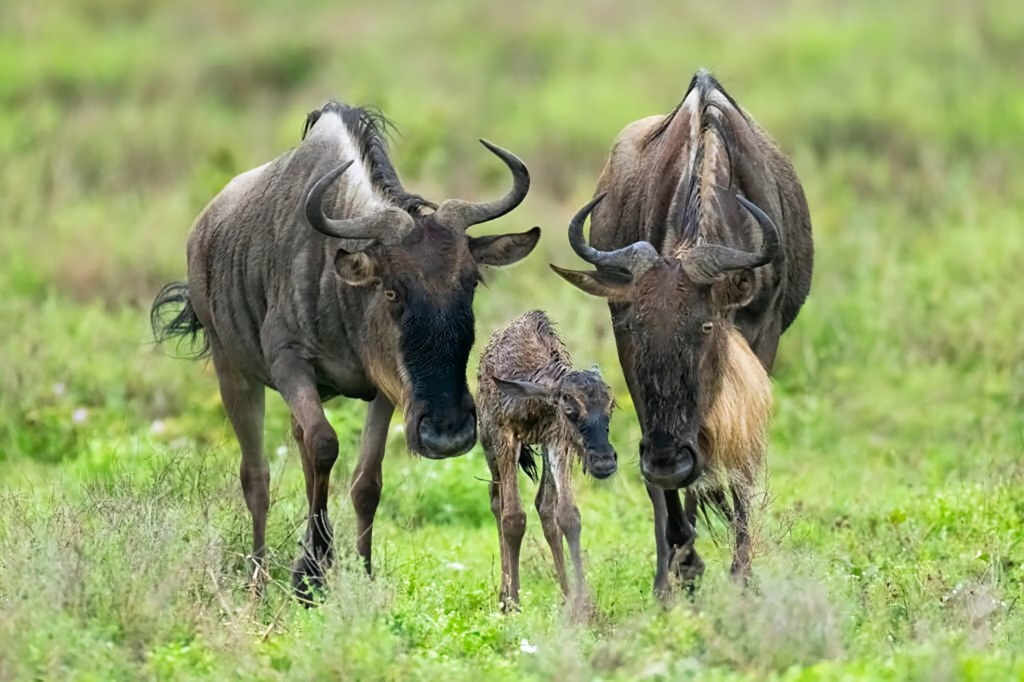
how many game drives on a Tanzania safari?

how many game drives on a Tanzania safari?

Planning the perfect Tanzania safari isn’t just about which parks to visit—it’s about how you structure your days in the wild. From early morning predator hunts to golden-hour afternoons by the waterhole, the number and type of game drives you choose shape every moment of your experience. This guide breaks down morning, afternoon, and full-day drives, explains how park size changes everything, and helps you balance wildlife sightings with comfort. Whether you have three days or a full week, learn how to pace your safari for maximum enjoyment, unforgettable encounters, and lasting memories.

how many game drives on a Tanzania safari? Read More »

Witness the Great Migration

Introduction to the Great Migration Imagine the ground trembling beneath your feet as over 1.5 million wildebeests, 400,000 zebras, and 300,000 gazelles thunder across the plains. Welcome to the Great Migration – a wildlife spectacle so powerful, it’s been dubbed the “greatest show on Earth.” What is the Great Migration? The Great Migration is an annual circular journey of grazing animals across the Serengeti (Tanzania) and the Masai Mara (Kenya), driven by rain patterns and the search for fresh grass. It’s a cycle of life, death, survival, and rebirth. Why it’s One of Nature’s Greatest Spectacles From dramatic river crossings with crocodile-infested waters to predator-prey chases that feel like scenes from National Geographic, this is raw, untamed nature at its finest. When to Witness the Migration Timing is everything when planning your safari. Monthly Breakdown of the Migration Route January–March: Calving season in Ndutu, Southern Serengeti April–May: Moving west towards the Grumeti River June–July: Grumeti River crossings August–October: Mara River crossings November–December: Return to Southern Serengeti Best Times to Visit Specific Parks Ngorongoro & Ndutu: Feb–March for baby animals and predator activity Central Serengeti: June–July for large herds Northern Serengeti & Masai Mara: August–October for dramatic river crossings Where the Action Happens Serengeti National Park (Tanzania) This is the heart of the migration – vast, open plains and endless skies. Most of the migration takes place here. Masai Mara Reserve (Kenya) The action heats up in late July to October when herds pour into Kenya’s Masai Mara for grazing. The Grumeti and Mara River Crossings These crossings are the climax of the migration – high-stakes scenes where only the strong survive. You’ll hold your breath with every leap. The Wildlife You’ll Encounter The Big Five Lion, leopard, rhino, buffalo, and elephant – you’ll find them all. Predators in Action Expect to see lions stalking, cheetahs sprinting, and hyenas strategizing. This is where nature’s drama unfolds. Birdlife and Other Species From flamingos and ostriches to vultures and secretary birds, bird lovers are in for a treat. Unique Safari Experiences During the Migration Balloon Safaris Rise with the sun in a hot air balloon and witness the herds from above – breathtaking doesn’t even begin to cover it. Walking Safaris Step into the wild on foot and experience the bush from a whole new perspective. Cultural Tours with the Maasai Connect with the local Maasai communities and understand their deep connection with nature. Planning Your Great Migration Safari Choosing the Right Time & Location Decide what phase of the migration excites you most – birthing, crossings, or predator action – and plan accordingly. What to Pack for Your Safari Think layers, neutral colors, a good camera, sunscreen, and binoculars. Don’t forget your sense of adventure! Booking the Right Safari Operator Go with trusted pros. This is where Grey Joy Safari Adventures comes in. Why Travel With Grey Joy Safari Adventures? Local Expertise & Authentic Experiences Born and bred in Tanzania, we don’t just know the land – we live it. Personalized Itineraries No cookie-cutter trips here. We craft your dream safari, whether you’re a solo traveler, couple, family, or group. Responsible and Sustainable Travel We work with local communities and conservation partners to ensure your safari gives back. Accommodation Options Along the Migration Route Luxury Camps Think canvas tents with king-sized beds, en-suite bathrooms, gourmet meals, and a front-row seat to nature. Mid-range Lodges Comfort meets affordability with well-equipped lodges and great service. Budget-Friendly Options Traveling on a shoestring? We’ve got pocket-friendly stays that don’t compromise on the experience. Costs and Budgeting Safari Packages and Pricing Prices range from $250–$800 per person per day depending on your style and inclusions. What’s Included in Most Packages Accommodation Park fees Transport (including 4×4 safari vehicle) Meals and water Professional guide Common Safari Mistakes and How to Avoid Them Booking the wrong time Overpacking Ignoring visa or vaccination requirements Not listening to your guide Health & Safety Tips Vaccinations & Health Preparations Consult your doctor about yellow fever, malaria prevention, and travel insurance. Staying Safe Around Wildlife Always follow your guide’s instructions. No sudden movements. No feeding animals. Family Safaris – Is It Kid Friendly? Child-Friendly Lodges Some lodges offer family tents, child menus, and activity programs. Tips for Traveling With Kids Bring snacks, games, and binoculars. Keep game drives short and sweet. The Great Migration and Conservation Threats Facing Wildlife Poaching, habitat loss, and climate change are real threats. Your visit helps fund protection efforts. How Your Safari Can Help A portion of your safari fee supports conservation projects and local communities. Why You Should Witness the Migration If you only go on one safari in your life, make it this one. The Great Migration is more than just a trip—it’s a soul-stirring, eye-opening, once-in-a-lifetime adventure. Call to Action – Travel With Grey Joy Safari Adventures Ready to witness the wildest show on Earth? Let Grey Joy Safari Adventures be your guide to the Great Migration. With deep local knowledge, tailor-made safaris, and a passion for delivering unforgettable experiences, we’ll make your safari dream come true. 📧 Contact us today to start planning your journey.🌍 Visit Grey Joy Safari Adventures📲 Let’s go wild together! FAQs What month is best for the river crossings? August and September are prime time for the dramatic Mara River crossings. Can I combine the migration safari with a Zanzibar beach vacation? Absolutely! We can create a combo itinerary with bush and beach. What is the group size for your safaris? We offer both private safaris and small group tours with 4–6 guests per vehicle. Are safaris safe for solo travelers? Yes, and we cater especially well to solo travelers looking for community and adventure. Do I need a visa to visit Tanzania? Yes, most travelers need a tourist visa. It’s easy to apply online or on arrival.

Witness the Great Migration Read More »

Tanzania Safari Travel Tips

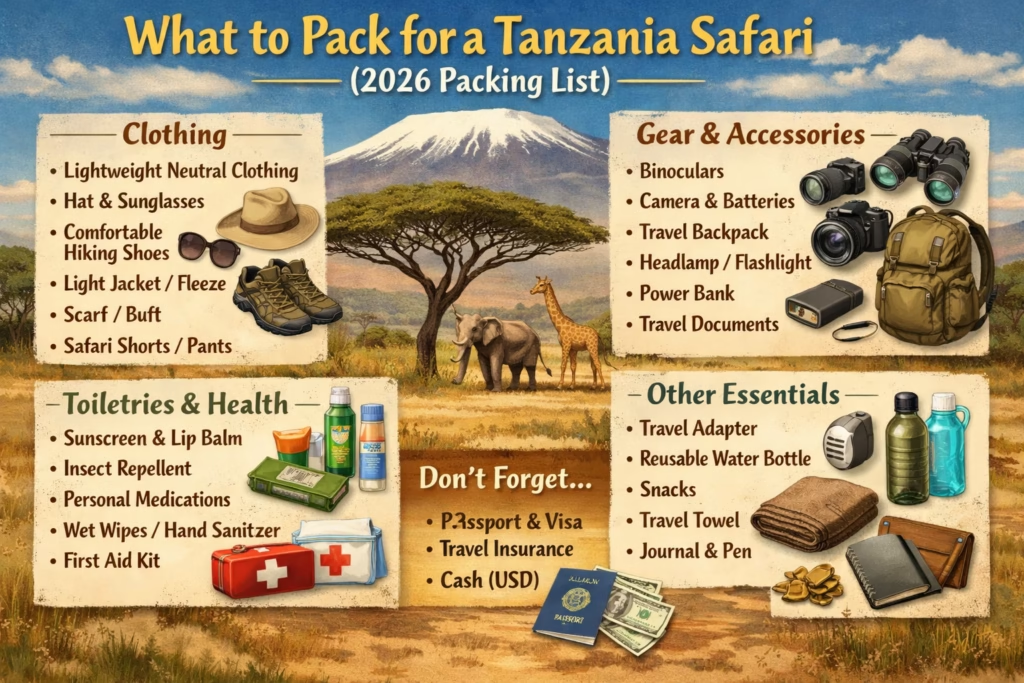
Tanzania Safari Travel Tips: Your Friendly Guide to an Unforgettable Adventure Introduction Imagine waking up to the distant roar of a lion or the soft rustling of zebras grazing outside your tent. Picture yourself standing on the endless plains of the Serengeti as herds of wildebeest thunder by in a breathtaking display of nature’s rhythm. That’s the magic of Tanzania—raw, majestic, and unforgettable. Whether you’re dreaming of a once-in-a-lifetime wildlife adventure or you’ve already booked your ticket, this guide is packed with Tanzania safari travel tips that will help you navigate your journey like a seasoned explorer. We’ll share real insights, friendly advice, and some surprising truths that might just save your trip. Table of Contents Sr# Headings 1 Why Choose Tanzania for a Safari? 2 Best Time to Visit Tanzania for a Safari 3 Top National Parks and What to Expect 4 What to Pack for a Tanzania Safari 5 Staying Healthy and Safe During Your Trip 6 How to Choose the Right Safari Operator 7 Accommodation Options: From Luxury to Budget 8 Photography Tips for Stunning Safari Shots 9 Understanding Safari Etiquette 10 Cultural Encounters: Meeting the Maasai and Beyond 11 Visa, Vaccines, and Paperwork Essentials 12 Money Matters: Budgeting and Payments 13 Food and Drink on Safari 14 Sustainable Travel Tips for Tanzania 15 Common Mistakes to Avoid on Safari 1. Why Choose Tanzania for a Safari? Tanzania is safari royalty. It’s home to iconic wildlife destinations like Serengeti National Park, Ngorongoro Crater, and the Great Migration—the world’s most dramatic animal movement. With over 30% of its land protected as parks or reserves, Tanzania offers a front-row seat to nature’s most magnificent theater. Whether you’re a first-time traveler or a seasoned adventurer, Tanzania has something for everyone—from Big Five game drives to quiet birdwatching in hidden gems like Lake Manyara. 2. Best Time to Visit Tanzania for a Safari Timing your trip is crucial. Tanzania has two main safari seasons: Dry Season (June to October): Best for wildlife spotting as animals gather around water sources. Great for seeing the Great Migration in the Serengeti. Green Season (November to March): Fewer tourists, lush landscapes, and excellent birding. February is prime time for calving in Ndutu. Pro Tip: Avoid April and May, which are peak rainy months and can make some areas difficult to access. 3. Top National Parks and What to Expect Here’s a quick guide to some of the best parks: Serengeti National Park: Famous for the Great Migration and predator sightings. Ngorongoro Crater: A massive volcanic caldera with a high concentration of animals in a small area. Tarangire National Park: Known for its elephants and towering baobab trees. Lake Manyara: Offers tree-climbing lions and a variety of birds. Ruaha and Selous (Nyerere NP): Remote, wild, and less crowded for the seasoned explorer. Each park has its own flavor—think of them as different stages in the great play of African wildlife. 4. What to Pack for a Tanzania Safari Packing for a safari is a bit like preparing for camp—with a twist of glamour. Here’s your must-pack list: Neutral-colored clothing (think khaki, brown, green) Hat and sunglasses for sun protection Light jacket for chilly mornings and evenings Comfortable walking shoes Binoculars for distant wildlife Camera and extra batteries Bug spray and sunscreen Medication and first aid kit Don’t overpack. Many safari lodges include laundry service, and internal flights often have strict baggage limits (usually 15 kg). 5. Staying Healthy and Safe During Your Trip You’re going to the wild, but you don’t need to suffer for it. Stay safe and healthy with these tips: Get vaccinated before your trip (Yellow Fever may be required) Take anti-malaria medication as recommended Drink bottled or filtered water Use insect repellent, especially in the evenings Avoid petting animals, even if they seem tame Most importantly, listen to your guide—they know the land like the back of their hand. 6. How to Choose the Right Safari Operator A great guide can turn an ordinary safari into an epic tale. Here’s how to find the right tour operator: Read reviews from other travelers Ask about certifications and park permits Compare itineraries and inclusions (are park fees included?) Look for local operators, who often provide a more authentic experience Don’t just chase the lowest price—you want a team that respects wildlife, values safety, and genuinely loves what they do. 7. Accommodation Options: From Luxury to Budget Tanzania offers everything from rustic bush camps to ultra-luxurious lodges with infinity pools overlooking migration paths. Luxury Lodges: Perfect for honeymooners and comfort seekers. Tented Camps: Offer a blend of wild and comfortable—think hot bucket showers and starry skies. Budget Campsites: Great for backpackers and adventurers who prefer sleeping close to nature. Each has its own charm. Even the simplest tent in the Serengeti feels like a five-star experience when you hear lions roar at night. 8. Photography Tips for Stunning Safari Shots Your camera can capture magic—if you’re ready. Use a zoom lens (200mm+ is ideal) Shoot in the early morning or late afternoon for soft lighting Keep quiet and patient—the best moments happen when you’re still Don’t forget people shots, especially during cultural visits Wildlife photography is like fishing—you wait, and then suddenly, boom! That perfect lion yawn or zebra sprint. 9. Understanding Safari Etiquette Being on safari means respecting nature and others around you. Stay quiet during sightings Never stand up or leave the vehicle unless told Don’t litter Respect animals’ space—this is their home, not a zoo Avoid loud music or phone use in the bush Think of yourself as a guest in someone else’s house. The animals were here first. 10. Cultural Encounters: Meeting the Maasai and Beyond A Tanzania safari isn’t just about animals—it’s about people, too. Visiting a Maasai village or chatting with your guide about life in Tanzania adds depth to your trip. You’ll hear stories passed down through generations, learn traditional dances, or even get to try throwing a spear (with help, of course!). Be respectful: Always ask

Tanzania Safari Travel Tips Read More »

Tanzania safari what to expect

Tanzania Safari: What to Expect

Tanzania Safari What to Expect on the Adventure of a Lifetime Introduction Have you ever dreamt of watching lions stalk across golden plains, or elephants lumber past your vehicle while the sun sets over the African savannah? That’s the magic of a Tanzania safari. But as thrilling as it sounds, it’s natural to wonder: “What exactly should I expect?” A Tanzania safari is more than just spotting animals — it’s a blend of adventure, culture, and awe. Whether it’s your first safari or your fifth, understanding what lies ahead can turn a good trip into an unforgettable one. This guide is here to walk you through everything you need to know — in plain English, no jargon, just real, useful info. Table of Contents Sr# Headings 1 What Makes Tanzania a Top Safari Destination? 2 Best Time to Visit Tanzania for a Safari 3 Types of Safaris: Which One Suits You Best? 4 What Wildlife Will You See in Tanzania? 5 Popular Safari Parks in Tanzania 6 Accommodations: Where Will You Sleep? 7 What a Typical Day on Safari Looks Like 8 Safari Guides: Your New Best Friend 9 Costs and Budget: What Should You Expect? 10 What to Pack for Your Safari 11 Safety and Health Tips 12 Food and Drinks: What’s on the Menu? 13 Cultural Encounters: Meet the Maasai 14 Photography Tips for Safari Moments 15 Final Thoughts: Embracing the Safari Spirit 1. What Makes Tanzania a Top Safari Destination? Tanzania is like Africa’s greatest hits album. It’s home to the Big Five (lion, elephant, buffalo, leopard, and rhino), the Great Wildebeest Migration, and iconic landscapes like the Serengeti and Ngorongoro Crater. You don’t need to be an animal expert to appreciate the sheer wow factor here — nature does all the heavy lifting. It’s also safe, welcoming, and packed with friendly locals ready to share their culture and stories. 2. Best Time to Visit Tanzania for a Safari Short answer: It depends on what you want to see. Dry Season (June to October): Best for wildlife viewing. Animals gather around waterholes, and grass is shorter — meaning better photo ops. Calving Season (January to March): In Ndutu and southern Serengeti, thousands of baby wildebeests are born — and predators are on the prowl. Green Season (November, April-May): Lush, less dusty, fewer tourists, and lower prices — but some remote roads can be muddy. 3. Types of Safaris: Which One Suits You Best? Game Drive Safaris: The classic! Drive through national parks in a 4×4 with a pop-up roof. Walking Safaris: Get closer to nature — safely — with an armed ranger. Balloon Safaris: Float over the Serengeti at sunrise. It’s pricey, but unforgettable. Mobile Camping Safaris: Sleep under the stars in luxury or basic tents, following the wildlife. Each type offers a different flavor of adventure. What’s your style — luxury lodges or rustic bush tents? 4. What Wildlife Will You See in Tanzania? Tanzania is a living, breathing wildlife documentary. Expect to see: Big Cats: Lions, leopards, cheetahs Giants: Elephants, giraffes, hippos, rhinos (mostly in Ngorongoro) Ungulates: Wildebeest, zebras, antelope Birds: Over 1,100 species, from flamingos to eagles Pro tip: Early mornings and late afternoons are best for spotting predators. 5. Popular Safari Parks in Tanzania Serengeti National ParkThe king of all safari parks. Come here for the Great Migration and open savannahs packed with wildlife. Ngorongoro CraterImagine a giant natural zoo inside a volcano. That’s the Ngorongoro Crater. Tarangire National ParkFamous for elephants and baobab trees. Lake Manyara National ParkGreat for birdlife and tree-climbing lions. Ruaha and Selous (Nyerere NP)Less crowded, more remote. Off-the-beaten-path magic. 6. Accommodations: Where Will You Sleep? From budget to ultra-luxury, there’s something for everyone. Lodges: Comfortable, often with pools and Wi-Fi Tented Camps: Glamping in style — real beds, great food, close to nature Public Campsites: Basic but affordable for backpackers and adventurers Tip: Book early in peak season. The best spots go fast. 7. What a Typical Day on Safari Looks Like Here’s a sample day: 5:30 AM: Wake-up call with coffee or tea 6:00 AM: Morning game drive 9:30 AM: Breakfast back at camp Midday: Relax, nap, maybe a swim 4:00 PM: Afternoon game drive 7:00 PM: Dinner under the stars You won’t be on the go all day — safaris have a peaceful rhythm that gives you time to soak in the magic. 8. Safari Guides: Your New Best Friend Your guide isn’t just a driver. They’re: A wildlife expert A storyteller A cultural bridge Sometimes, a comedian! A good guide can turn a simple lion sighting into a moment you’ll never forget. Don’t be shy — ask questions! 9. Costs and Budget: What Should You Expect? Safari costs vary widely, but here’s a rough idea per person, per day: Budget: $200–$300 Mid-range: $400–$600 Luxury: $800–$1,500+ Prices include park fees, accommodation, food, and transport. Want to save? Travel in the off-season or join a group tour. 10. What to Pack for Your Safari Think practical, not fashionable. Must-haves: Neutral-colored clothing (avoid bright colors) Hat, sunglasses, sunscreen Binoculars and camera Insect repellent Light jacket for cool mornings Comfortable shoes Leave behind: Drones (banned in many parks), camo clothing, and fancy outfits — the animals don’t care what you wear! 11. Safety and Health Tips Tanzania is generally safe, but here’s how to stay healthy: Vaccinations: Yellow fever (if coming from an endemic country), Hepatitis A, Typhoid Malaria: Take anti-malarials and use mosquito repellent Travel Insurance: Don’t skip this! Listen to your guide: Especially during walks or animal encounters 12. Food and Drinks: What’s on the Menu? You’ll be surprised — the food is usually great! Expect: Fresh fruits and vegetables Grilled meats Rice, chapati, stews Vegetarian options available Drink bottled water only, and avoid ice in remote areas unless you’re sure it’s safe. 13. Cultural Encounters: Meet the Maasai No safari is complete without meeting Tanzania’s iconic Maasai people. You can: Visit a traditional boma (village) Learn about their customs and dress Watch their famous jumping

Tanzania Safari: What to Expect Read More »

Tanzania Safari

Tanzania Safari When to Go

Tanzania Safari: When to Go for the Best Experience Introduction If you’ve ever dreamed of watching lions prowl the savannah or seeing a herd of elephants crossing a river at sunset, a Tanzania safari is probably high on your bucket list. But here’s the big question: Tanzania safari when to go? Knowing the best time can make or break your adventure. In this friendly, easy-to-follow guide, we’ll walk you through the seasons, the wildlife, and the experiences you can expect throughout the year. So grab your virtual safari hat—we’re going on a planning adventure! Table of Contents Sr# Headings 1 Why Timing Matters for a Safari 2 Understanding Tanzania’s Climate 3 Dry Season: The Classic Safari Window 4 Wet Season: A Time of Renewal and Deals 5 Best Months for Wildlife Viewing 6 When to See the Great Wildebeest Migration 7 Best Time for Bird Watching 8 Ideal Months for a Family Safari 9 Best Time for Budget Travelers 10 When to Avoid: The Tough Safari Months 11 Northern Circuit vs. Southern Circuit Timing 12 Zanzibar Extension: When to Visit 13 Festival and Cultural Events Calendar 14 Month-by-Month Breakdown 15 Final Tips to Plan Your Safari Dates 1. Why Timing Matters for a Safari A safari isn’t just about booking a flight and hoping for the best. It’s a seasonal experience. Wildlife behavior, visibility, weather, and even prices change throughout the year. Planning the right time ensures you get to see the animals you want, in the landscapes you imagine. Think of it like cooking—timing is everything. Too early, and the flavors (or sightings) haven’t developed. Too late, and it might all be over. 2. Understanding Tanzania’s Climate Tanzania has a tropical climate with two main seasons: Dry season (June to October) Wet season (November to May) Unlike temperate climates, Tanzania doesn’t have four seasons. Instead, weather revolves around rainfall and sunshine. Coastal areas like Zanzibar are more humid, while inland areas like Serengeti and Ngorongoro are drier. 3. Dry Season: The Classic Safari Window Best Months: June to October This is the prime safari season. Here’s why: Wildlife gathers around waterholes, making animals easier to spot. Grass is shorter, improving visibility. Roads are dry and more accessible. There are fewer mosquitoes—huge win! Downside? It’s peak tourist time, so parks are busier, and prices are higher. 4. Wet Season: A Time of Renewal and Deals Best Months: November to May (excluding March and April) Also called the Green Season, this time has its own magic: Lush, vibrant landscapes perfect for photography. Newborn animals, especially during calving season in February. Fewer tourists, so you get a more intimate experience. Lower prices on lodges and tours. Downside? Heavy rains in March and April can make some roads tricky, and wildlife may be harder to see due to thick vegetation. 5. Best Months for Wildlife Viewing If your main goal is spotting the Big Five—lion, elephant, buffalo, rhino, and leopard—then aim for: June to October: Dry season means animals cluster near water. January to February: Calving season in southern Serengeti. Want something epic? Plan for the Great Migration (more below). 6. When to See the Great Wildebeest Migration Nature’s Greatest Show is on a loop. Here’s a rough breakdown: December to March: Calving season in Ndutu (southern Serengeti) April to May: Migration begins moving north, rain makes roads challenging June to July: Grumeti River crossing (Western Corridor) August to October: Mara River crossing in Northern Serengeti—dramatic and thrilling! November: Herds return south Plan based on what part of the migration you want to see. For dramatic river crossings, aim for July to October. . 7. Best Time for Bird Watching If you’re a bird lover, Tanzania won’t disappoint. The best bird-watching period is during the wet season, especially: November to April: Migratory birds from Europe and Asia arrive. Ngorongoro Crater, Lake Manyara, and Tarangire are hotspots. Feathers, songs, and courtship displays—nature’s orchestra at its best. 8. Ideal Months for a Family Safari Traveling with kids? Go during the dry season (June to October). It’s safer (fewer bugs), easier (better roads), and packed with action. Some family-friendly lodges even offer child-focused activities, like bush survival skills, storytelling, and cultural visits. . 9. Best Time for Budget Travelers March, April, May, and November are gold for bargain hunters. You’ll find: Lower park fees Discounted lodges Fewer crowds Yes, it might rain—but with proper gear and a flexible mindset, it’s totally doable. 10. When to Avoid: The Tough Safari Months March and April are the rainiest months. Roads get muddy, and some camps close for maintenance. Unless you’re a seasoned traveler or keen on off-the-beaten-path experiences, it’s wise to avoid these months. 11. Northern Circuit vs. Southern Circuit Timing Northern Circuit (Serengeti, Ngorongoro, Tarangire, Lake Manyara): Best: June to October, and December to March Year-round game viewing Southern Circuit (Selous, Ruaha, Mikumi): Best: June to November Wet season limits access due to fewer all-weather roads If you’re chasing exclusivity and adventure, the southern parks are fantastic, but trickier in the wet months. 12. Zanzibar Extension: When to Visit Many travelers combine their safari with a beach break in Zanzibar. Here’s the best timing: Dry Season (June to October): Ideal for sun and sea December to February: Warm and sunny Avoid March to May, when heavy rains dampen the beach vibes. 13. Festival and Cultural Events Calendar Want a little rhythm with your safari? Sauti za Busara (February) – Zanzibar’s music festival Karibu/Kilifair (June) – Arusha tourism expo Eid Celebrations – Moveable but vibrant in Zanzibar Time your visit to enjoy both wildlife and local culture. 14. Month-by-Month Breakdown January: Calving begins; great for baby animalsFebruary: Peak calving season; birds are abundantMarch: Start of long rains—lush but tricky travelApril: Very wet; some camps closedMay: Still wet, but discounts beginJune: Dry season starts; migration moves northJuly: Excellent visibility, Grumeti crossingAugust: Peak safari season, Mara crossingSeptember: Wildlife still concentrated, warm weatherOctober: Dry, with chances of early rainNovember: Short rains begin; migratory birds arriveDecember: Green landscapes; migration returns south

Tanzania Safari When to Go Read More »

Private Budget Safari & Zanzibar Beaches

Is a Safari in Tanzania Safe?

Is a Safari in Tanzania Safe? Everything You Need to Know Before You Go Introduction: Why People Worry About Safety Let’s be real—heading into the African wilderness can sound a little intimidating. Wild animals, remote locations, and a totally new environment… it’s no wonder safety tops the list of concerns for many planning a safari. But here’s the good news: a safari in Tanzania is generally very safe when done right. Let’s unpack why. Understanding Tanzania’s Political and Environmental Stability Government and Tourist Security Tanzania is one of East Africa’s most politically stable countries. It has enjoyed decades of peaceful transitions of power and is considered a friendly, welcoming destination. The Tanzanian government heavily prioritizes tourism—it’s a big part of the economy—so tourist zones are monitored and protected. Stability in Safari Destinations Popular safari destinations like Serengeti National Park, Ngorongoro Crater, and Tarangire are far from any political unrest or crime hotspots. These areas are specially regulated and managed with both wildlife and visitor safety in mind. Health and Vaccination Tips for Travelers Vaccines You Might Need Before traveling, it’s smart to consult your doctor. Common vaccines include: Yellow fever (especially if coming from another African country) Hepatitis A & B Typhoid Tetanus Malaria and Other Tropical Diseases Malaria exists in Tanzania, but don’t panic—it’s preventable. Bring mosquito repellent, wear long sleeves in the evening, and consider antimalarial medication. Your tour company will often provide mosquito nets at lodges and camps. Staying Healthy During Your Safari Hydration is key! Drink plenty of bottled water, avoid raw foods in local restaurants (unless you know it’s safe), and always wash your hands or carry sanitizer. Wildlife Safety and Guided Protection Are Animals a Real Danger? They can be, but here’s the thing: no one is just wandering around lions. Safaris are carefully managed experiences. Wild animals don’t randomly attack unless provoked or surprised, which is why rules are in place. Role of Professional Safari Guides Your guide is your lifeline. They’re trained to track animals, read behavior, and follow park regulations. Guides keep a safe distance, know how to respond to unexpected situations, and are usually locals with deep knowledge of the terrain and animals. Staying Safe in National Parks Simple rules like “stay inside the vehicle,” “don’t make loud noises,” and “don’t try to touch animals” are your best defense. Follow them, and you’ll be just fine. Travel Tips for Solo Travelers Choosing the Right Tour Operator If you’re going solo, book with a reputable operator that caters to individuals. Many offer group safaris, which means safety in numbers and a chance to meet other adventurers. Staying Connected Make sure you have a SIM card or Wi-Fi access. Most lodges provide communication facilities and many areas now have good network coverage. Family-Friendly Safari Safety Tips What to Consider When Traveling with Kids Look for lodges that are fenced and offer child-friendly amenities. Some safari companies have special programs for kids to keep them engaged and safe. Best Family-Safe Safari Camps Some great family-focused lodges include: Serengeti Serena Safari Lodge Manyara Wildlife Safari Camp Tarangire Safari Lodge These places prioritize family safety and fun. Seniors on Safari: What You Should Know Accessibility and Comfort Many lodges offer walk-in showers, minimal stairs, and even mobility aids. Safari vehicles can be adapted for comfort, and itineraries can be tailored for a slower pace. Health Precautions for Older Travelers Make sure to carry all medications, check travel insurance coverage for age-related health issues, and consult your doctor before flying long-distance. Emergency Services and What to Do If Something Goes Wrong Medical Assistance and Evacuation Reputable safari operators usually have emergency plans in place. In extreme cases, air evacuation services like Flying Doctors are available and fast. Some even include it in their package. Travel Insurance Is a Must Don’t even think about going without it. Get comprehensive travel insurance that includes medical emergencies, evacuations, and trip cancellations. Is Tanzania Safe for LGBTQ+ Travelers? Tanzania is a conservative country, and same-sex relations are not legally recognized. While this might raise concerns, tourists are rarely harassed, especially when discretion is maintained. Many LGBTQ+ travelers report feeling welcomed on safari—just be aware of cultural sensitivities. Is Tanzania Safe for Female Travelers? Yes, very much so. Many women travel solo or in small groups to Tanzania every year. As with any country, being aware of your surroundings and dressing respectfully (especially in cities and villages) goes a long way. How Safe Are Safari Vehicles and Lodges? Design of Safari Vehicles Safari jeeps are designed for rugged terrain and safety. They’re built high off the ground to protect against animals and offer panoramic views while keeping you secure. Safety Measures in Camps and Lodges Lodges typically have guards, fencing (especially in areas with predators), and strict policies about moving around after dark. Staff often escort guests to and from rooms at night. Final Thoughts: Should You Worry About Safari Safety? In short—nope! A safari in Tanzania is as safe as any international adventure, maybe even safer with the right precautions. With friendly locals, professional guides, and established infrastructure, you’re in great hands. Just be smart, stay alert, and follow the rules. Call to Action: Ready to Book Your Safe and Exciting Safari? Now that you know what to expect, what’s stopping you? Dive into the experience of a lifetime. Book your Tanzania safari with a trusted operator and let the wild welcome you—safely and spectacularly. FAQs 1. Do I need special insurance for a safari in Tanzania? Yes, comprehensive travel insurance that includes medical evacuation is strongly recommended. 2. Is it safe to bring kids on a safari? Absolutely! Many camps are family-friendly and cater specifically to children. 3. What should I do if I get sick during the safari? Inform your guide immediately. Lodges can arrange for medical care, and air evacuation is available for serious cases. 4. Can I walk around the camp at night? Not without a guide or staff escort. Wildlife can wander through, especially

Is a Safari in Tanzania Safe? Read More »