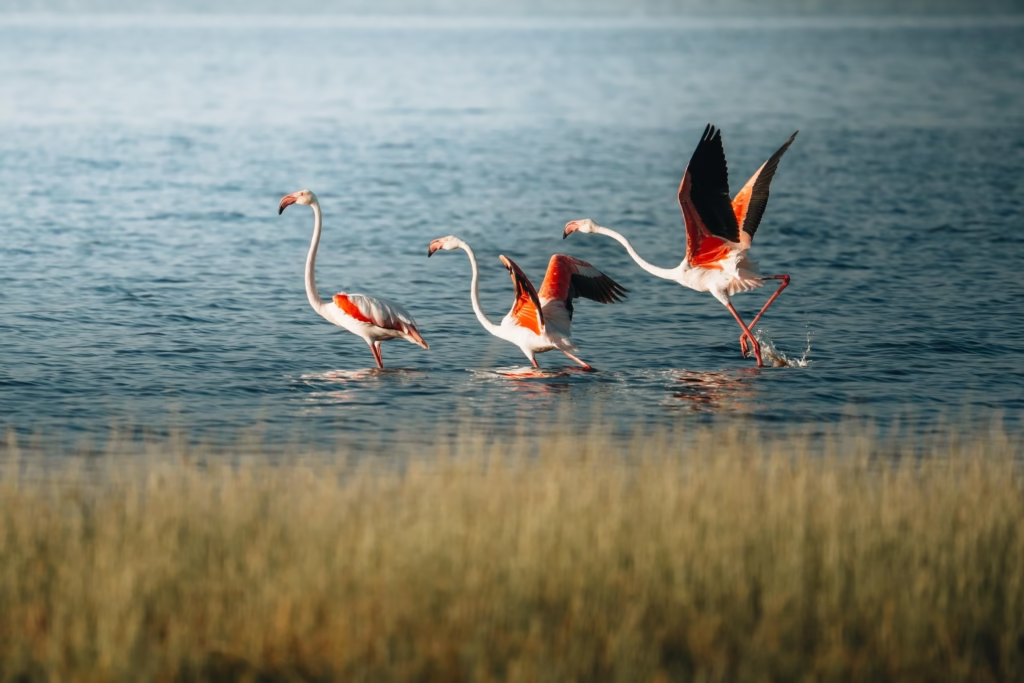
Lake Manyara safari
Planning a Lake Manyara safari in 2026? Discover honest insights on tree-climbing lions, birdlife, scenic highlights, best seasons, and what travelers should realistically expect.✨
Lake Manyara safari Read More »

Planning a Lake Manyara safari in 2026? Discover honest insights on tree-climbing lions, birdlife, scenic highlights, best seasons, and what travelers should realistically expect.✨
Lake Manyara safari Read More »
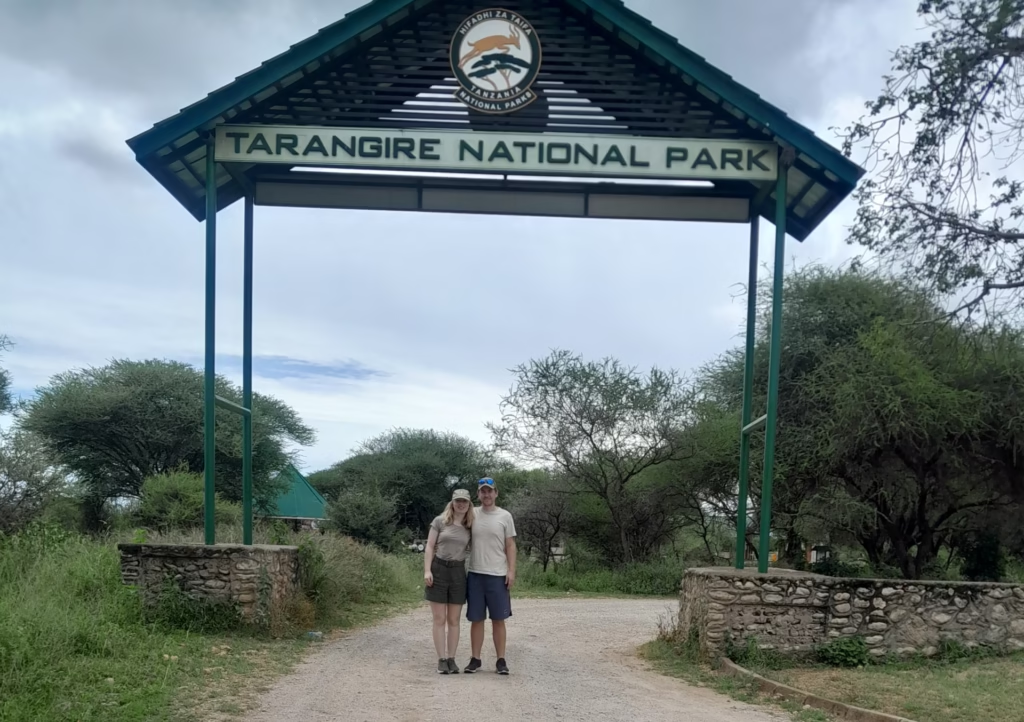
Discover Tarangire elephants, ancient baobab forests, and the best safari months in Tanzania’s top elephant destination.
Tarangire elephants Read More »
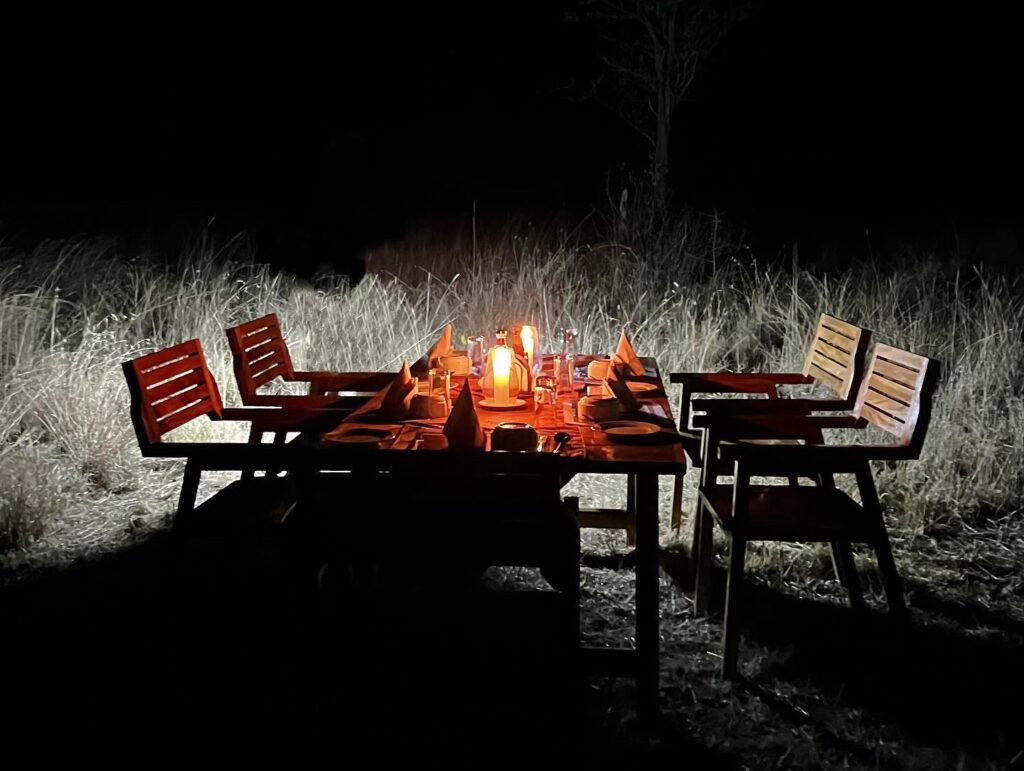
Is a luxury safari worth it? Compare mid-range vs luxury, what really changes, who benefits most, and how to choose the best safari for your budget.
luxury safari worth it Read More »
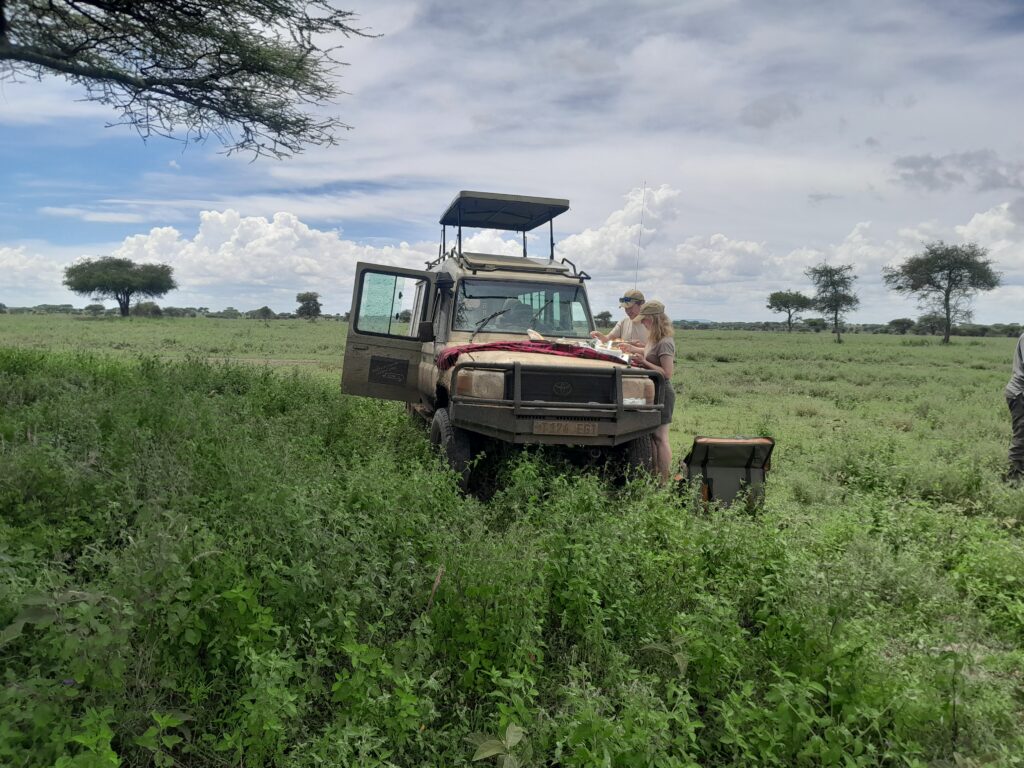
Compare Tanzania safari vs Kenya cost, park fees, logistics & value. Discover why Tanzania is pricier but offers deeper, more immersive safari experiences.
Tanzania safari vs Kenya cost Read More »
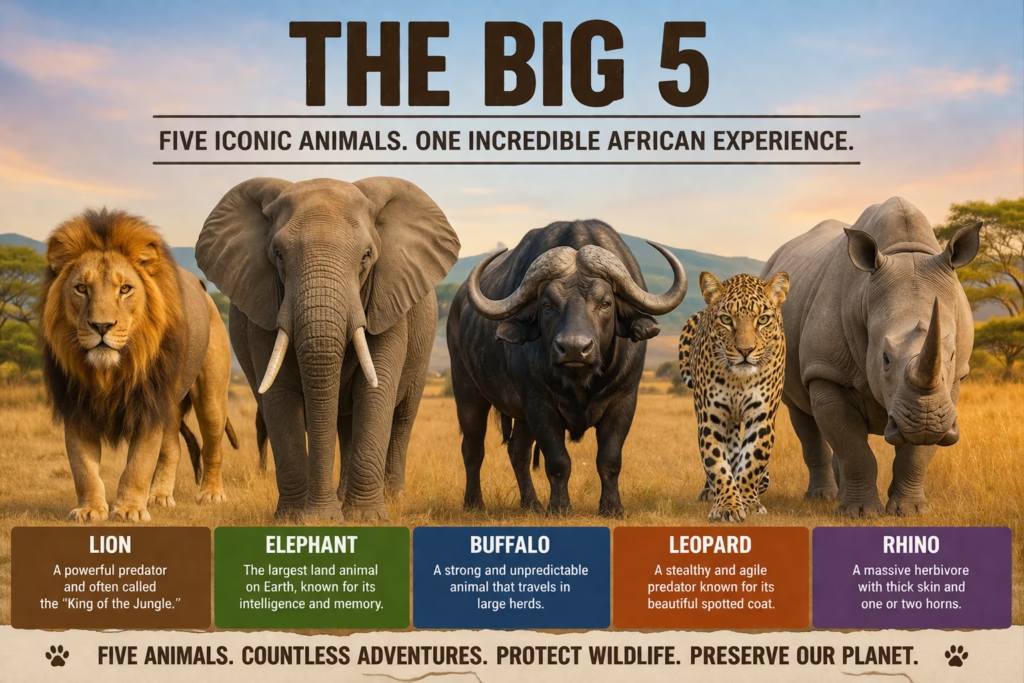
Discover Serengeti animals to see in 2026—from the Big Five to rare wildlife. Plan your safari with expert tips on timing, locations, and sightings.
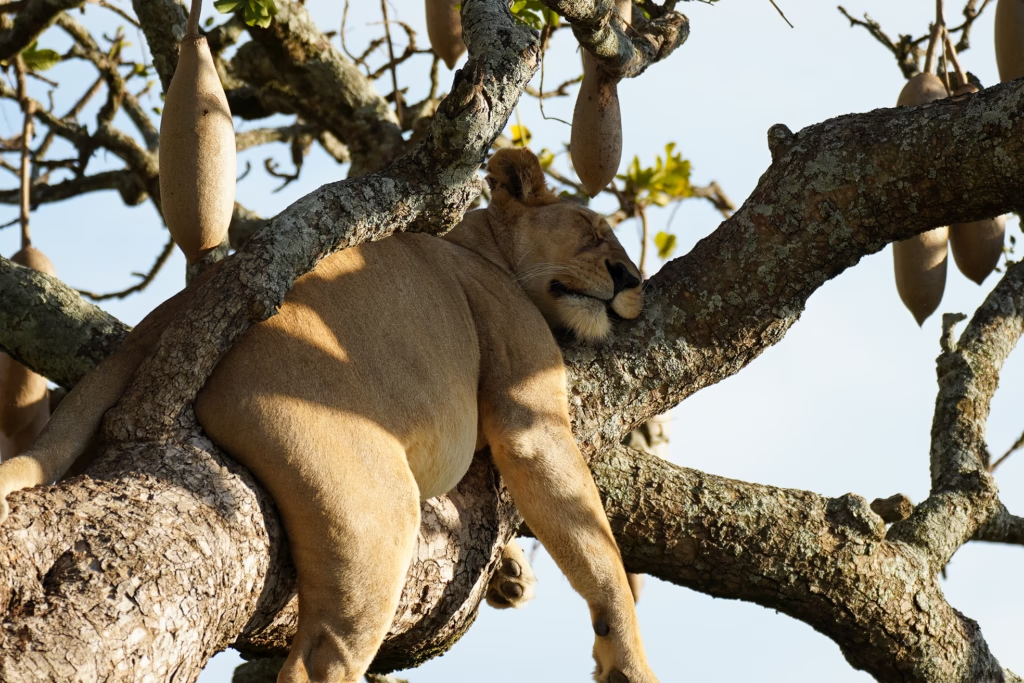
Big 5 Safari Tanzania: Where to See Each Animal in 2026? The Promise of the Big 5 in Tanzania (2026 Edition) There are safaris—and then there is Tanzania. A place where the horizon stretches endlessly, where wildlife doesn’t perform but exists, unapologetically wild. In 2026, Tanzania still holds its crown as Africa’s most compelling Big 5 destination—not because it promises perfection, but because it delivers something rarer: authenticity. Here, the drama of nature unfolds in real time, whether it’s a lion sprawled across a sunlit kopje or a silent leopard dissolving into the trees. The “Big 5” refers to Africa’s most iconic animals: the lion, elephant, rhino, leopard, and buffalo. Once named by hunters for their difficulty to track on foot, they are now the ultimate wildlife checklist for modern travelers—symbols of raw, untamed Africa. Seeing all five isn’t just a goal; it’s a journey through vastly different ecosystems, behaviors, and moments. But here’s the truth most guides soften: nothing in the wild is guaranteed. Animals move. Seasons shift. A pride may vanish into tall grass; a rhino may remain a distant silhouette. And yet—that’s exactly where Tanzania stands apart. With the right timing, the right parks, and a smart route, your odds don’t just improve—they transform. This guide is built for that transformation. Inside, you’ll find exactly where to see each of the Big 5 in Tanzania in 2026, what to realistically expect, and how to plan a safari that maximizes your chances without losing the magic of unpredictability.✨ 1. Lion: Where the Kings Rule Open Plains There is something unmistakably cinematic about encountering a lion in Tanzania. Not staged. Not hurried. Just a quiet, golden moment where the king of the savannah exists—stretching, watching, waiting. In 2026, Tanzania remains one of the best places in Africa to see lions in the wild, thanks to its vast open plains, prey-rich ecosystems, and protected habitats. 📍 Best Places to See Lions in Tanzania (2026) Serengeti National Park The Serengeti isn’t just famous—it’s functional. It works for lion sightings because everything here supports them: prey, space, and visibility. Seronera (Central Serengeti):The heartbeat of lion activity. This area offers year-round sightings, with prides often lounging near roads or shaded acacia trees. Bologonja & Lamai Triangle (Northern Serengeti):More remote, less crowded, and incredibly rewarding. Lions here are often seen near migration routes, especially during river crossings. Kopjes & Grumeti/Mara River Zones:Kopjes (rocky outcrops) act as natural lookout points—lions climb them to scan for prey. Along rivers, you’ll find both water and wildlife, making these prime hunting grounds. Ready to experience the Big 5 in real life? Start planning your Tanzania safari today and turn this guide into your actual itinerary. 🦁 Plan Your Tanzania Safari Chat on Whats App Ngorongoro Crater A natural amphitheater of wildlife—and one of the most reliable places to see lions in Africa. Crater Floor:The enclosed ecosystem supports a high-density lion population. Prides are often spotted in open grasslands or near water sources, making sightings frequent and relatively easy. Near the Visitor’s Centre:Surprisingly, lions are often seen close to central areas—resting, socializing, or occasionally hunting in broad daylight. Tarangire National Park Often overshadowed—but quietly brilliant for lion encounters. Tarangire–Kwakuchinja Corridor:A hotspot where lions thrive among riverine vegetation and migrating herbivores. Riverine Thickets:These dense areas provide shade and ambush cover—perfect for lions during the heat of the day. 🎯 2026 Sightings Reality Easier than most Big 5 animalsLions are among the most commonly sighted of the Big 5 in Tanzania. In key areas like Serengeti and Ngorongoro, multiple sightings in a single trip are not unusual. Best seasons: June–October, December–FebruaryThe dry season sharpens visibility—grass is shorter, animals gather near water, and predators become easier to track. Behavior insight: long resting hours → timing mattersLions sleep up to 20 hours a day. That means your best chances come early morning or late afternoon, when they’re active, alert, and sometimes on the move. Midday? Expect a lot of majestic… napping. 🐘 2. Elephant: Giants of River and Woodland If lions are the spectacle, elephants are the soul of a Tanzanian safari. They don’t rush. They don’t hide. They arrive—in slow, deliberate movements that reshape the landscape around them. In 2026, Tanzania remains one of the most rewarding places in Africa to see elephants, not just in numbers, but in behavior: family bonds, migrations, and those quiet, unforgettable close encounters. 📍 Best Places to See Elephants in Tanzania (2026) Tarangire National Park This is elephant country—full stop. One of Africa’s highest elephant densities:During the dry season, thousands of elephants converge along the Tarangire River, creating one of the most concentrated wildlife spectacles on the continent. Why it works:The river becomes a lifeline. As surrounding areas dry out, elephants gather here to drink, bathe, and socialize—often in massive, multi-generational herds. What you’ll see:Calves tucked between adults, bulls sparring, and entire families moving in slow, synchronized lines through baobab-dotted landscapes. Want the highest chance of seeing all Big 5? Build your custom 7–10 day Northern Circuit adventure now. 🦁 Plan Your Tanzania Safari Chat on Whats App Serengeti National Park Famous for migration—but quietly excellent for elephants too. Western Corridor & Northern River Systems:These (zones) offer consistent water sources, attracting elephant herds especially in the dry months. Why it works:Elephants here move across vast distances, often following ancient routes between feeding and watering grounds. What you’ll see:Smaller herds compared to Tarangire, but in dramatic settings—crossing rivers, moving through open plains, or silhouetted against the horizon. Ruaha National Park Raw, remote, and deeply wild. Population of 10,000+ elephants:One of the largest elephant populations in East Africa, spread across a rugged, less-visited landscape. Why it works:Ruaha’s remoteness means fewer vehicles and more natural behavior. Elephants here are less habituated, offering a more authentic, untamed experience. What you’ll see:Large herds near the Great Ruaha River often interact with other wildlife in a setting that feels almost untouched 🎯 2026 Sightings Reality Highly reliable, especially in the dry seasonElephants are among the most dependable Big 5 sightings in
Big 5 safari Tanzania Read More »
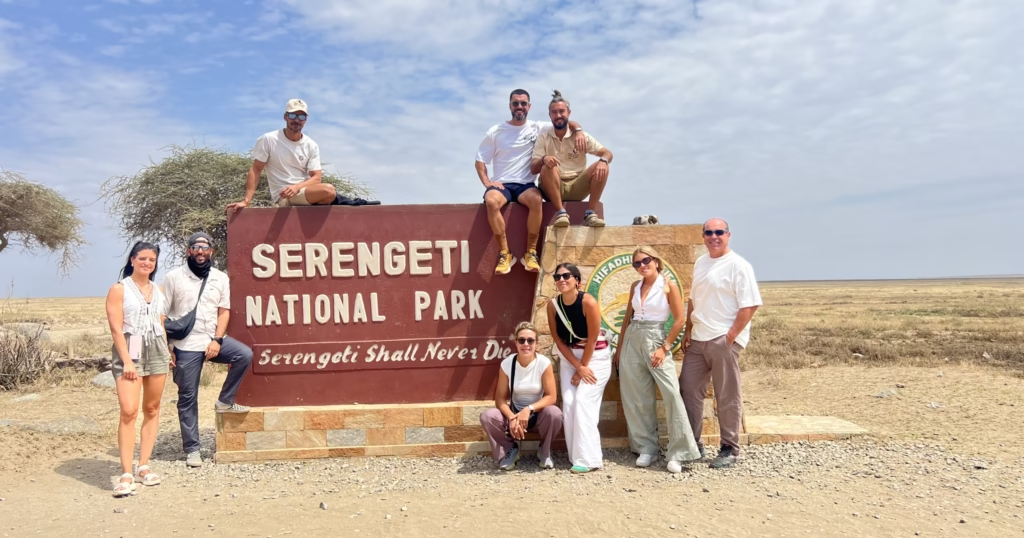
Serengeti National Park: Complete 2026 Travel Guide 1. Introduction There’s a version of Serengeti National Park that lives in your head long before you ever set foot in it. Endless golden plains. A lone lion silhouetted at sunset. Thousands of wildebeest thunder across a river while crocodiles wait below. It feels cinematic—perfect, choreographed, almost too good to be real. Then… you arrive. And reality, as it turns out, is both quieter and more powerful. You might drive for an hour and see nothing but grass swaying in the wind. You might wait patiently for a predator that never appears. Or you might, without warning, witness a moment so raw and unscripted it stays with you for life. The Serengeti doesn’t perform on demand—it unfolds on its own terms. This is the Serengeti National Park guide that tells you the truth—not just the fantasy. Because yes—the icons are real. The Great Migration, with over two million animals moving in ancient rhythm. The Big Five—lion, leopard, elephant, buffalo, and rhino—roaming vast, untamed land. Predators, prey, and survival playing out in one of the last great ecosystems on Earth. But here’s the honest positioning: the Serengeti is expensive, often unpredictable, and sometimes even frustrating. You’ll deal with long drives, shifting wildlife patterns, and—during peak season—more vehicles than you expected. And yet… When it delivers—and it will—it’s not just a trip. It’s something deeper. Something that rewires how you see nature, time, and your place in it. Serengeti Nabi Gate 2. Wildlife: What You’ll REALLY See (And What You Might Not) Step into Serengeti National Park and you’re entering one of the richest wildlife ecosystems on Earth—no exaggeration needed. This is a landscape that supports over two million ungulates—wildebeest, zebras, and gazelles—alongside the legendary Big Five: lion, leopard, elephant, buffalo, and rhino. Layer onto that a powerful predator presence—roughly 4,000 lions, 1,000 leopards, and hundreds of cheetahs—and you begin to understand the scale. The Great Migration: At its core, the Great Migration is a movement—millions of animals following rain, chasing fresh grass in a continuous loop across the ecosystem. There’s no fixed start or finish. Just survival. When conditions align, you’ll witness river crossings, calving seasons, and vast herds stretching to the horizon. When they don’t? The plains can feel surprisingly empty. Predator Capital The Serengeti is one of the best places in Africa to see predators—not because they’re guaranteed, but because the density is unmatched. Lions lounge in the open, cheetahs scan the plains with precision, and leopards remain elusive, draped over trees like shadows. Hyena In Serengeti Beyond the Headlines Look closer and the Serengeti expands: Towering giraffes moving like slow poetry Hyenas with complex social lives Hippos crowding muddy pools Over 500 bird species, from vibrant lilac-breasted rollers to powerful raptors It’s not just a safari—it’s an ecosystem in motion. Reality Check: This Isn’t a Documentary Here’s where expectation meets truth: Wildlife sightings depend heavily on timing and luck There is no constant action—no background music, no guaranteed hunts You will experience quiet stretches—sometimes long ones And that’s not a flaw. That’s the Serengeti being real. Insider Angle: The Thrill of Finding, Not Following Most vehicles rely on radio calls to locate animals quickly. It’s efficient—but it can turn sightings into crowded scenes. There’s another way. When you (or your guide) track, scan, and discover wildlife organically, something shifts. The moment becomes yours. The lion isn’t just seen—it’s found. It takes patience. Awareness. A bit of luck. But when it happens? It feels less like tourism… and more like you’ve briefly learned how to belong in the wild. Ndutu Cliving Season 3. Seasons: When to Go (Based on Experience, Not Hype) Timing your trip to Serengeti National Park isn’t about picking a “perfect month”—it’s about choosing the kind of experience you want. And few periods capture the raw rhythm of nature quite like calving season. 3.1 Calving Season (January–March) This is when the southern plains of the Serengeti transform into a living nursery. In just a few weeks, hundreds of thousands of wildebeest calves are born—often synchronised within a tight window. It’s nature’s strategy: overwhelm predators with sheer numbers. And predators respond. Lions patrol constantly. Cheetahs scan for vulnerable targets. Hyenas circle with patience. The result? Some of the most intense and emotional wildlife interactions you can witness anywhere in Africa. ✅ Pros High predator activity – big cats are easier to spot and more active Dramatic scenes – births, hunts, and survival moments unfold daily Lush, green landscapes – the Serengeti looks vibrant and alive Excellent photography conditions – soft light, rich contrast, fewer dust clouds ⚠️ Cons Short rains & muddy tracks – game drives can be slower, sometimes disrupted Insects increase – especially flies and mosquitoes in greener conditions Migration is localized – you won’t see massive moving herds across vast distances like later in the year ✨The Real Take Calving season isn’t about spectacle in the “Hollywood” sense—it’s about intimacy and intensity. Smaller areas, more concentrated life, and a front-row seat to nature at its most vulnerable… and most ruthless. If you want drama with depth—not just scale—this is when the Serengeti quietly becomes extraordinary Central Serengeti (Bush Lunch) 3.2 Dry Season (June–October) If you’ve seen those heart-pounding safari clips—herds plunging into crocodile-filled rivers—it’s almost certainly this season in Serengeti National Park. This is river crossing season, where the Great Migration bottlenecks at the Grumeti and Mara Rivers. Thousands of wildebeest gather, hesitate, surge forward—and chaos follows. It’s raw, dramatic, and completely unpredictable. Some crossings happen in minutes. Others take hours… or don’t happen at all. But this spectacle comes at a cost. Peak crowds – multiple vehicles lining riverbanks, waiting for action Peak prices – lodges and camps can jump 50% or more Peak drama – when it happens, it’s unforgettable Visibility is excellent due to dry grass and sparse vegetation, making wildlife easier to spot across vast distances. But expect heat, dust, and long waits—this is not a curated show, it’s patience rewarded (sometimes).
Serengeti National Park guide Read More »
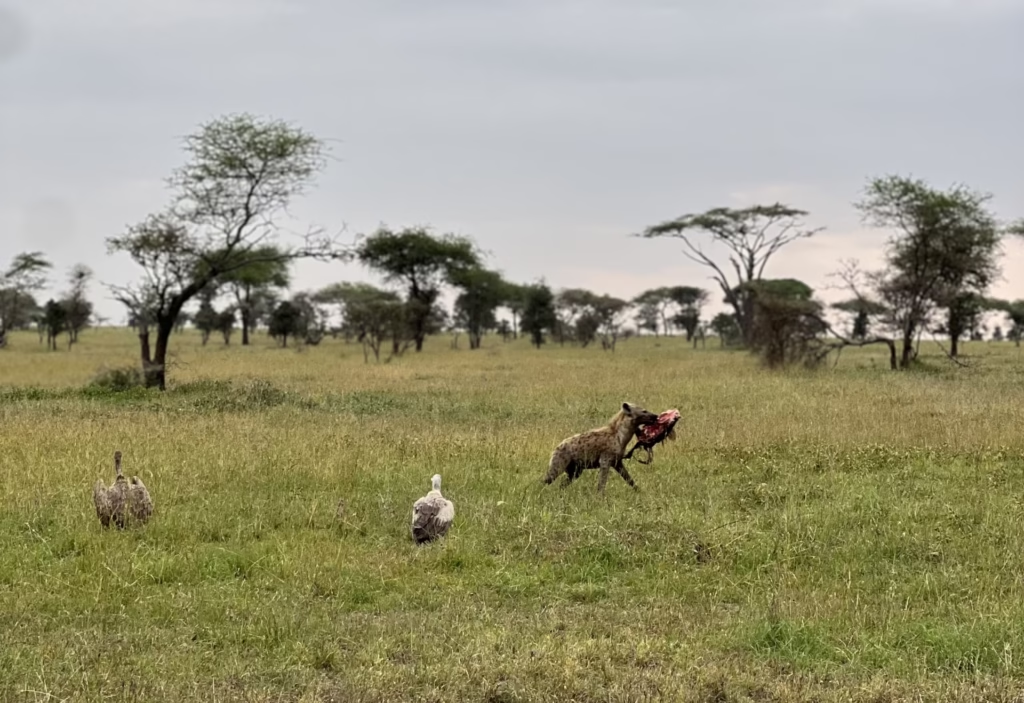
Discover why some safaris see more animals than others. Learn how guide expertise, timing, routes, and vehicle positioning make every sighting count.
why some safaris see more animals Read More »
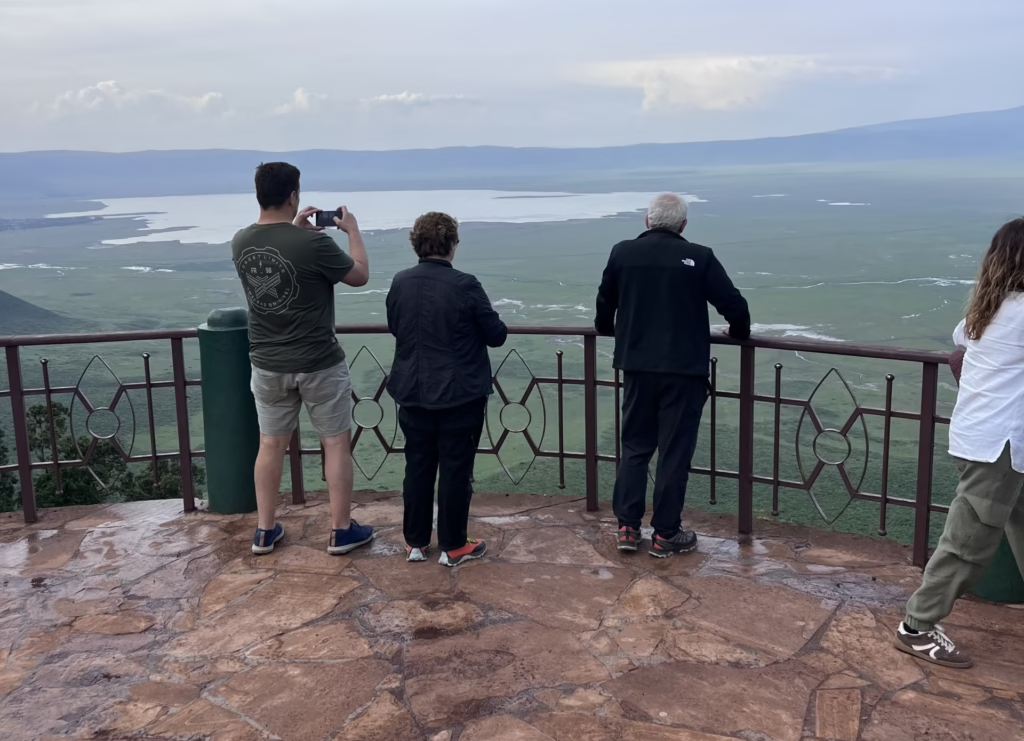
Is safari in Tanzania safe? Yes—discover how parks, guides, vehicles, and lodges keep travelers safe while enjoying unforgettable wildlife adventures.
is safari in Tanzania safe Read More »
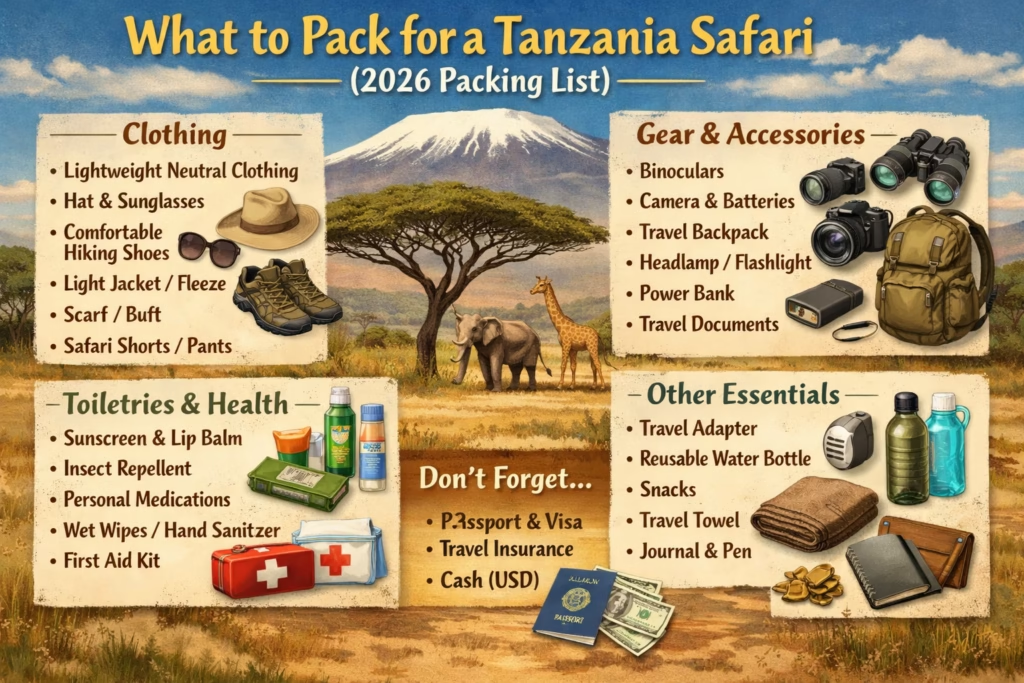
Tanzania safari packing list: Discover what to pack for a 2026 Tanzania safari—clothing, gear, medication, and camera essentials for a comfortable wildlife adventure
Tanzania safari packing list Read More »