
Why Are Tanzania Safaris More Expensive Than Kenya? A Real Cost Breakdown .
Table of Contents
Toggle1.Introduction.
Two travelers land in East Africa with the same dream: golden savannahs, lion tracks in the dust, a front-row seat to the Great Migration. One chooses Kenya. The other, Tanzania. Their itineraries look nearly identical. Their photos? Equally breathtaking. But when the invoices arrive, the difference is impossible to ignore—one safari costs significantly more than the other.
So what’s really going on here? Is Tanzania actually more expensive—or is it simply offering something Kenya isn’t?
Here’s the truth: Tanzania safaris typically cost 20–30% more than comparable experiences in Kenya. But that price gap isn’t random, and it’s not just about luxury labels or inflated rates. It’s built on deeper factors—conservation policies, geography, exclusivity, and the kind of experience each destination is designed to deliver.
Because when you break down the Tanzania safari vs Kenya cost, you realize it’s not just a financial comparison—it’s a question of experience design. One prioritizes accessibility and efficiency. The other leans into scale, solitude, and immersion. And that difference? It changes everything.
👉 If you’re already imagining the ultimate Tanzanian journey, explore our flagship experience: 7-Day The Big Five Safari in Tanzania.
2. Why Park Fees Make Tanzania Safaris More Expensive
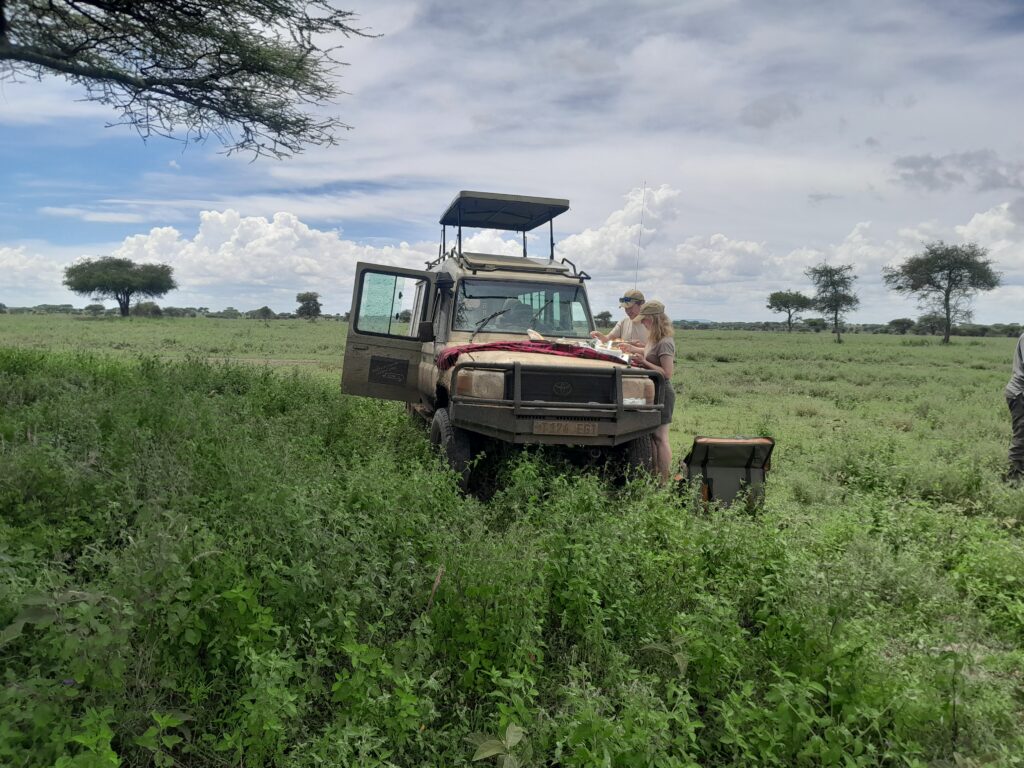
At first glance, the price difference between a Tanzania and Kenya safari seems subtle—until you zoom in on park fees. This is where the gap quietly widens.
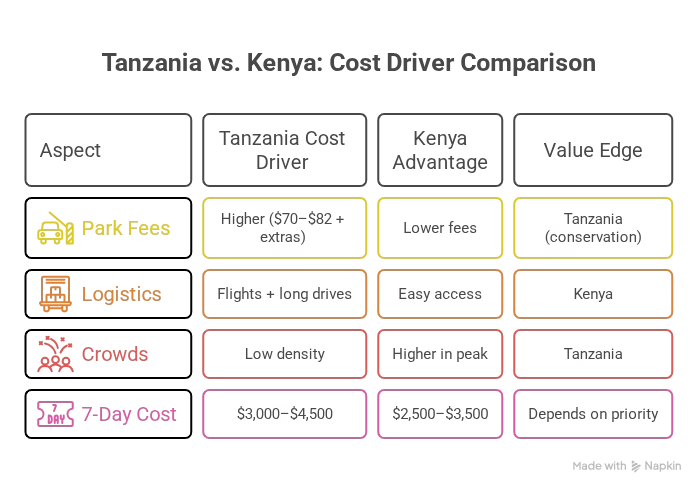
In Tanzania, entry into its most iconic landscapes comes at a premium. The Serengeti charges about $70 per person, per day, while the Ngorongoro Crater goes further—$82 per person, per day, plus a $295 vehicle descent fee every time you enter the crater floor. These aren’t small add-ons; on multi-day, multi-park itineraries, they stack quickly.
Across the border in Kenya, the structure feels lighter. The Masai Mara sits at roughly $80 per person during peak season—often less in off-peak months—while parks like Amboseli average around $60 per person, per day. Fewer extra charges, fewer surprises.
So why does Tanzania charge more? The answer isn’t arbitrary—it’s strategic. These higher fees directly fuel conservation funding, support anti-poaching operations, and maintain infrastructure across vast, remote ecosystems. You’re not just paying for access; you’re contributing to the long-term survival of the very wildlife you came to see.
Here’s the deeper insight: Tanzania’s model is built on a simple trade-off—pay more upfront, preserve more over time.
👉 Want a deeper, longer wildlife immersion built around these parks? Consider our premium route: 8-Day Migration Safari
✨Mini Takeaway: Tanzania’s higher park fees aren’t inflation or markup—they’re intentional conservation economics, where every dollar helps protect the wilderness that defines the experience.✨
🦓 PLAN YOUR TANZANIA SAFARI
 Tell us your travel dates, budget, and preferences
 We craft your personalized Safari itinerary
 Confirm your booking & get ready for the adventure of a lifetime
3. How Geography Drives the Tanzania Safari vs Kenya Cost Gap.
If park fees are the visible cost, geography is the silent multiplier. Tanzania doesn’t just feel bigger—it is. The Serengeti alone stretches across roughly 14,763 km², a scale that reshapes how safaris are planned, priced, and experienced. Getting there isn’t a quick hop; it’s a journey. From Arusha to the Serengeti, expect about six hours on the road—longer if wildlife sightings tempt frequent stops.
And distance, inevitably, turns into dollars. Many itineraries rely on internal flights costing $300–$500 per segment to cut down travel time. If you stay on the ground, you’re still paying—through fuel consumption, vehicle wear, and extended guide hours across rugged terrain. Every kilometer adds weight to the final price.
Kenya, by contrast, plays a different game. Its major parks—like the Masai Mara and Amboseli—are clustered within easier reach of Nairobi, meaning shorter drives, fewer flights, and significantly lower transfer costs. The logistics are streamlined, and that efficiency reflects directly in the overall price.
Then there’s the cross-border reality. Combining Kenya and Tanzania—say, moving between the Mara and Serengeti—often means long, complex transfers or additional flights, pushing both time and cost higher than most travelers anticipate.
👉 If you prefer comfort and efficiency over long transfers, consider: Our Fly-In Safari Options
✨Here’s the core truth: in Tanzania, you’re not just paying for game drives—you’re paying for the privilege of reaching places that still feel untouched, distant, and profoundly wild.✨
4. Fewer Crowds, Higher Costs — The Exclusivity Factor.
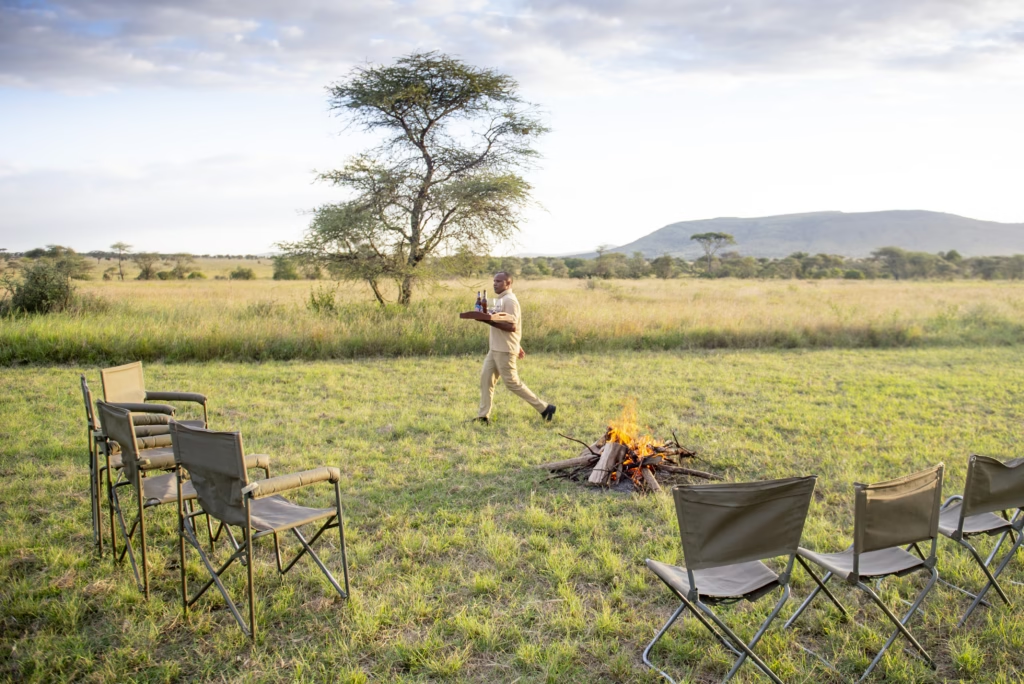
This is where the difference stops being about logistics—and starts becoming about feeling. Space. Silence. The rare luxury of witnessing wildlife without a crowd leaning over your shoulder.
Tanzania deliberately operates at a lower volume, welcoming roughly 1.9 million visitors a year, compared to Kenya’s ~2.7 million. That gap might not sound dramatic—until you’re on a game drive. In Tanzania, sightings often unfold with just a handful of vehicles, sometimes none at all. In Kenya, especially during peak migration months, iconic moments like river crossings in the Masai Mara can draw dozens of vehicles converging at once.
The experience shifts accordingly. Tanzania feels expansive, almost private—like the wilderness is yours to discover. Kenya, while still extraordinary, can feel more social, more shared, particularly in high-demand areas.
This difference is reinforced by how each country structures its safari model. Tanzania leans heavily into fly-in camps, private guides, and remote lodges, where access is controlled and the experience is curated. Kenya offers a broader spectrum—from budget-friendly group tours to high-end lodges—making it more accessible, but also more variable in exclusivity.
Regulations play their part too. Areas like the Ngorongoro Crater actively limit the number of vehicles allowed at a time, protecting both the ecosystem and the visitor experience. Fewer vehicles means less pressure on wildlife—and more uninterrupted moments for you.✨
The underlying principle is simple but powerful: Tanzania doesn’t just sell wildlife—it sells how you experience it.
✨Insight: Tanzania sells silence, space, and intimacy—and those are premium commodities.✨
👉 If you’re curious why Serengeti stands out so strongly in this model, read next: Why Serengeti National Park Is the Best Safari Destination in Africa
🦓 PLAN YOUR TANZANIA SAFARI
Tell us your travel dates, budget, and preferences We craft your personalized Safari itinerary Confirm your booking & get ready for the adventure of a lifetime
5. Is Tanzania Worth the Extra Cost?
At some point, the conversation shifts from price to value. Not what you pay—but what stays with you long after the trip ends.
Tanzania plays a different game here. Its safari circuit spans over 38,000+ km² of protected ecosystems, creating a sense of scale that’s hard to replicate. This isn’t just variety—it’s depth. One day you’re descending into the Ngorongoro Crater, spotting rare black rhinos against a volcanic backdrop. Another, you’re in the Serengeti during calving season, surrounded by thousands of newborn wildebeest and the predators that follow. Each moment feels distinct, layered, and part of a much larger story.
Then there’s the natural extension: Zanzibar. The shift from dusty game drives to turquoise waters and white-sand beaches isn’t just convenient—it’s seamless. Tanzania offers a built-in contrast between wilderness and coast, turning a safari into a multi-dimensional journey.
Kenya, on the other hand, delivers exceptional value in a different way. With entry-level safaris ranging from $150–$250 per day, it opens the door to wildlife experiences for a wider range of travelers. Its parks are reliable, its sightings consistent, and its logistics efficient—making it one of the best introductions to safari in Africa.
So the comparison becomes less about which is “better” and more about what you’re optimizing for:
- ✨Kenya = accessibility, efficiency, and strong value for shorter or budget-conscious trips.
- ✨Tanzania = immersion, scale, and a deeper, more varied experience over time.
✨Insight: Tanzania isn’t just a trip—it’s a layered experience that compounds over time, revealing more with every park, every day, and every return visit.✨
👉 Looking for a more budget-conscious way to experience the same wilderness? Explore: Cost-Saving Camping Safaris
🦓 PLAN YOUR TANZANIA SAFARI
Tell us your travel dates, budget, and preferences We craft your personalized Safari itinerary Confirm your booking & get ready for the adventure of a lifetime
6. Tanzania or Kenya — Which Safari Fits You?
At this point, the choice isn’t about which destination is “better.” It’s about alignment—your expectations, your budget, and the kind of story you want your safari to tell.
Choose Tanzania if you want:
- Privacy and fewer crowds — game drives that feel personal, not shared.
- Premium, immersive experiences — where the journey is slower, deeper, and more intentional.
- Diverse landscapes and longer stays — from vast plains to volcanic craters to coastal escapes.
Tanzania rewards patience. It’s for travelers who don’t just want to see wildlife—but to feel completely inside its world.
Choose Kenya if you want:
- A lower cost entry point — making safari more accessible without sacrificing quality.
- Shorter travel times — more wildlife viewing, less time in transit.
- Classic safari highlights on a budget — iconic experiences delivered efficiently.
Kenya is about smart, streamlined adventure. It gets you into the heart of the action—quickly and affordably.
✨In the end, the decision is simple: do you want a safari that maximizes ease and value, or one that leans into depth and exclusivity? Choose accordingly—and you won’t go wrong.✨
👉 Not sure which direction suits you best? We can design it for you: Customize Your Safari According to Your Plans, Preferences & Budget (Tailor-Made My Safari)
7. The Real Answer to the Cost Question.
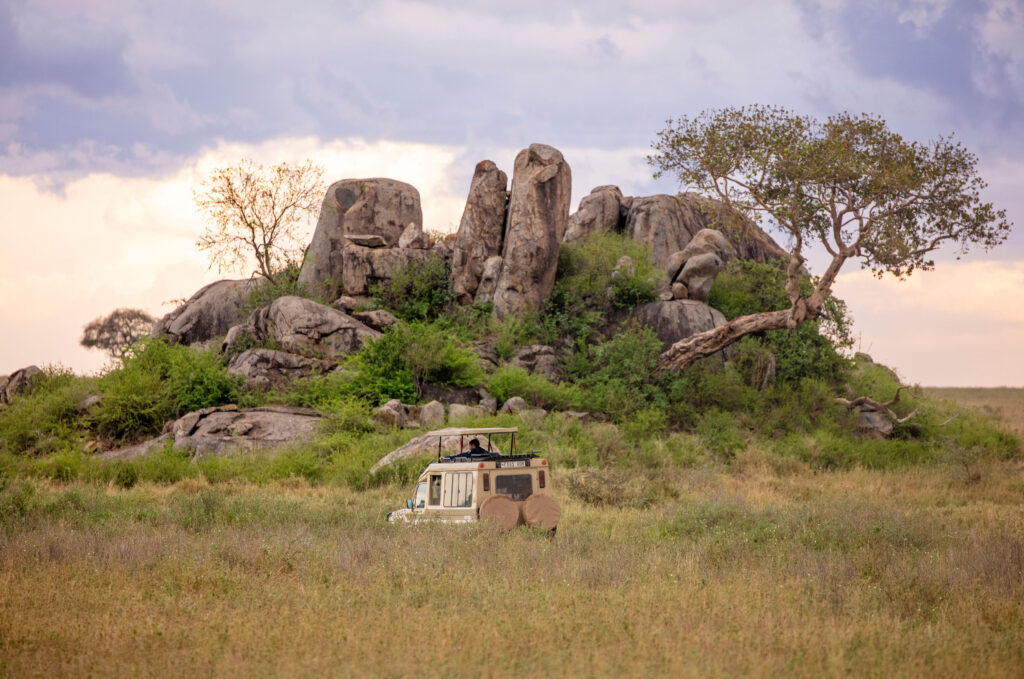
So, is Tanzania really more expensive than Kenya? Only if you’re looking at the numbers in isolation. Shift the lens, and the narrative changes completely. Tanzania isn’t simply “more expensive”—it’s priced differently for a different kind of traveler, one who values space, depth, and a slower, more immersive connection with the wild.
Here’s the clean contrast:
- Kenya = efficient adventure — accessible, streamlined, and brilliantly effective.
- Tanzania = expansive immersion — vast, unhurried, and deeply atmospheric.
Both deliver unforgettable safaris. They just define “value” in very different ways.
👉 If you’re ready to turn this decision into an actual itinerary, start here: 7-Day The Big Five Safari in Tanzania
✨The real question isn’t which is cheaper—it’s which experience you’re willing to invest in.✨
8. Frequently Asked Questions (FAQs)
1. Is Tanzania safari worth the price?
Yes—if you value space, exclusivity, and deeper immersion. Tanzania offers fewer crowds, larger ecosystems, and unique experiences like the Ngorongoro Crater and Serengeti calving season, making the higher cost worthwhile for many travelers.
2. Why is a Tanzania safari more expensive than Kenya?
Mainly due to higher park fees, longer travel distances, and a more exclusive, low-density tourism model that prioritizes premium experiences and conservation funding.
3. Is Kenya or Tanzania better for a first-time safari?
Kenya is often better for first-timers due to easier logistics, lower costs, and reliable wildlife sightings. Tanzania suits travelers seeking a more immersive and less crowded experience.
4. Can I combine Kenya and Tanzania in one safari?
Yes, but it increases costs and travel time. Cross-border logistics between the Masai Mara and Serengeti can be complex, often requiring flights or long drives.
5. Which country has better wildlife viewing?
Both offer exceptional wildlife. Kenya provides consistent sightings, while Tanzania offers a more expansive and less crowded viewing experience, especially in the Serengeti.
6. Are Tanzania safaris always luxury?
Not always, but Tanzania leans more toward mid-range to luxury due to logistics and park fee structures. Budget options exist but are less common than in Kenya.
7. What is the average cost difference between Kenya and Tanzania safaris?
Tanzania safaris typically cost about 20–30% more than comparable Kenya itineraries, depending on the level of comfort and travel style.
8. When is the best time to choose Tanzania over Kenya?
Tanzania is ideal if you want to experience specific events like the Serengeti calving season or enjoy quieter parks during peak migration periods when Kenya’s Masai Mara can be crowded.
🦓 PLAN YOUR TANZANIA SAFARI
Tell us your travel dates, budget, and preferences We craft your personalized safari itinerary Confirm your booking & get ready for the adventure of a lifetime
Explore More Articles.
Why Do Some Safaris See More Animals Than Others in the Same Park?
Discover why some safaris see more animals than others. Learn how guide expertise, timing, routes, and vehicle positioning make every...
Can You Enjoy the Serengeti Without Following the Migration?
Discover if you can enjoy the Serengeti without migration. Learn about resident wildlife, predator density, best areas, and when to...
What Do Safari Guests Regret Not Knowing Before Visiting Tanzania?
Tanzania Safari Mistakes to avoid before your trip—learn packing tips, timing, hidden costs, and how to plan the perfect safari...
Which is the Best Tanzania National Park for First Time Safari Travelers?
Which is the Best Tanzania National Park for First Time Safari Travelers? You’ve dreamed about Africa for years—the golden light...