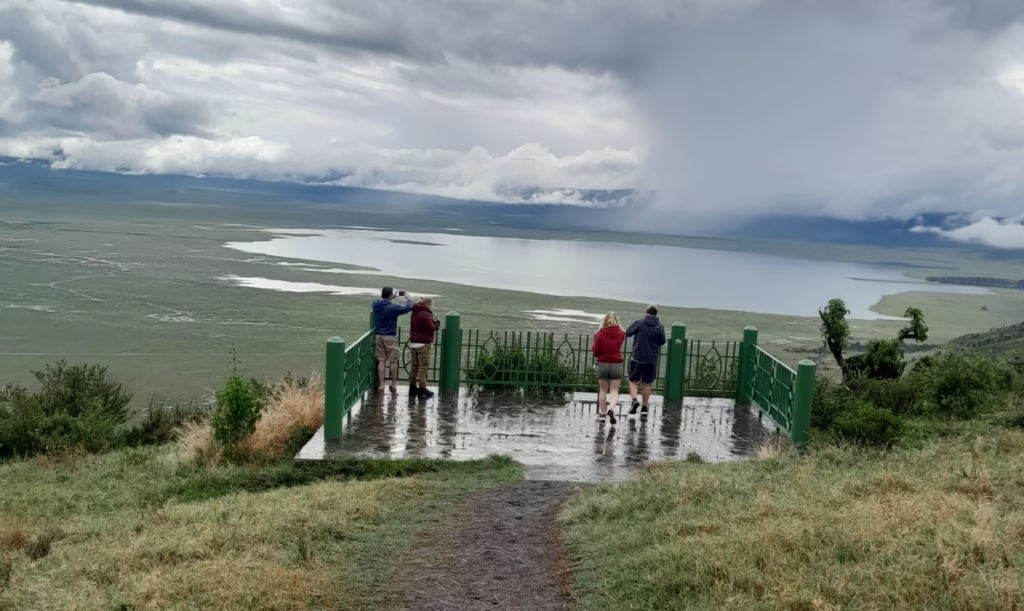
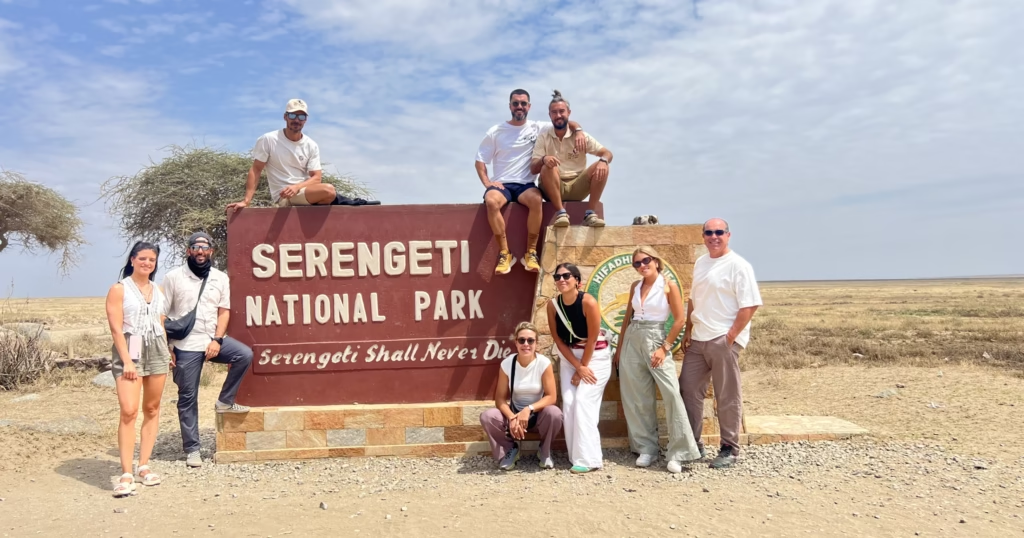
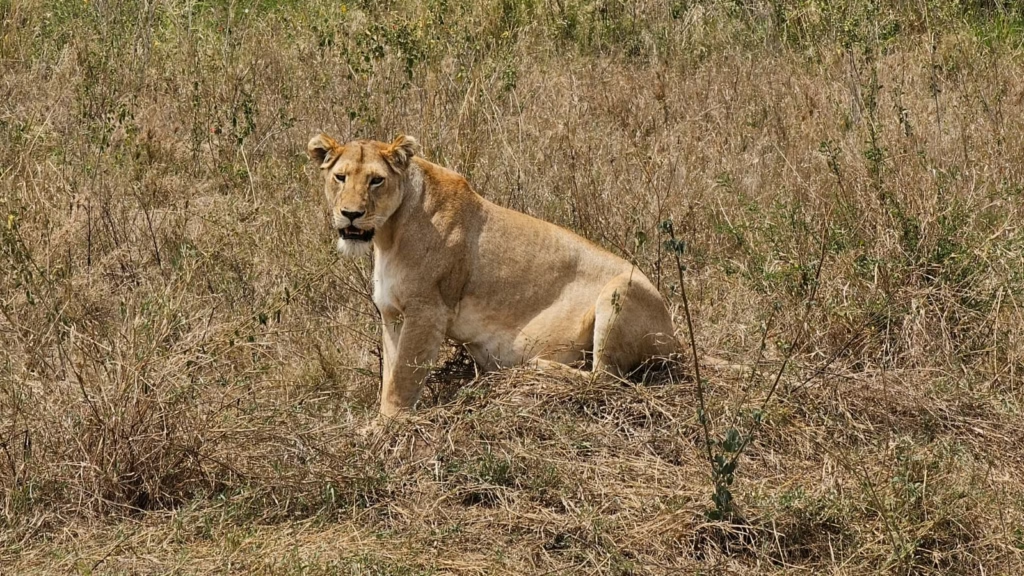
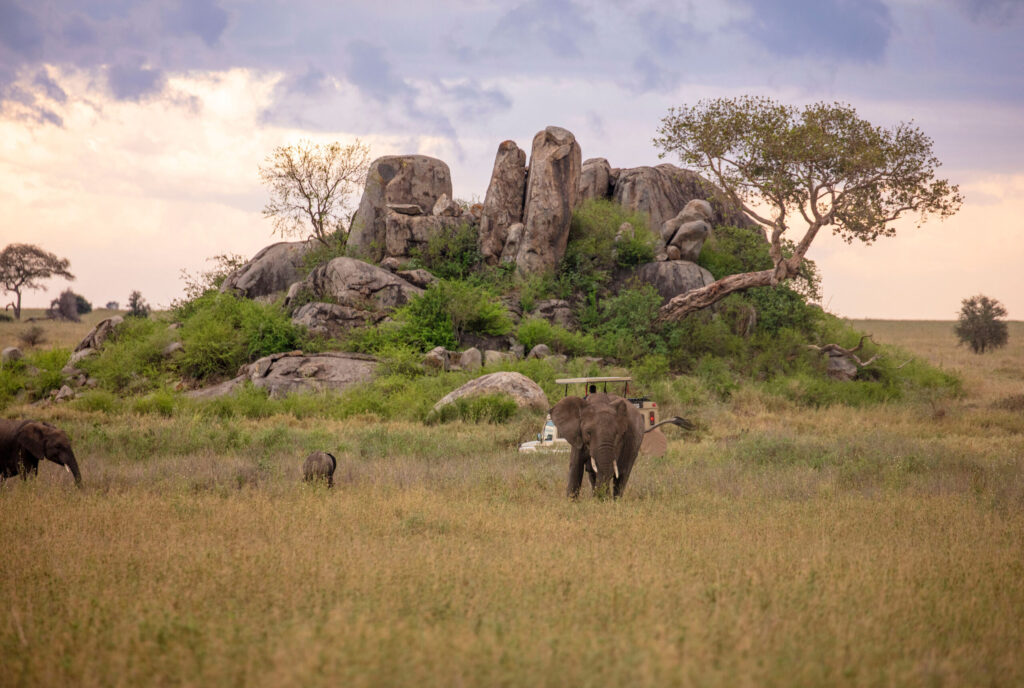
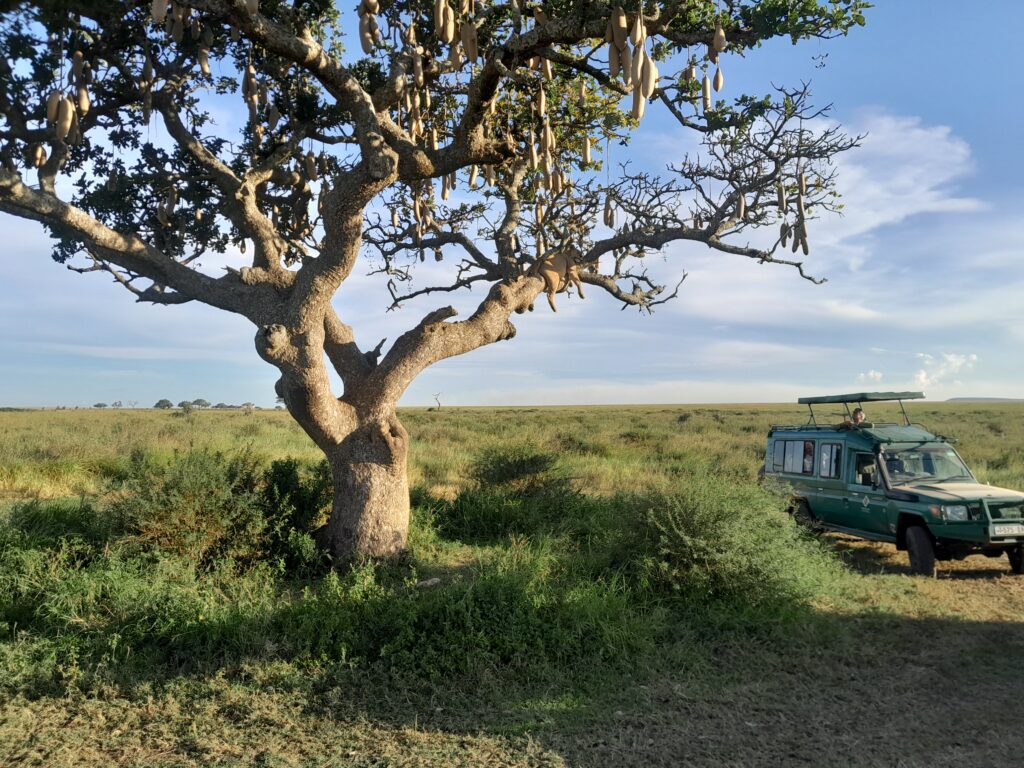
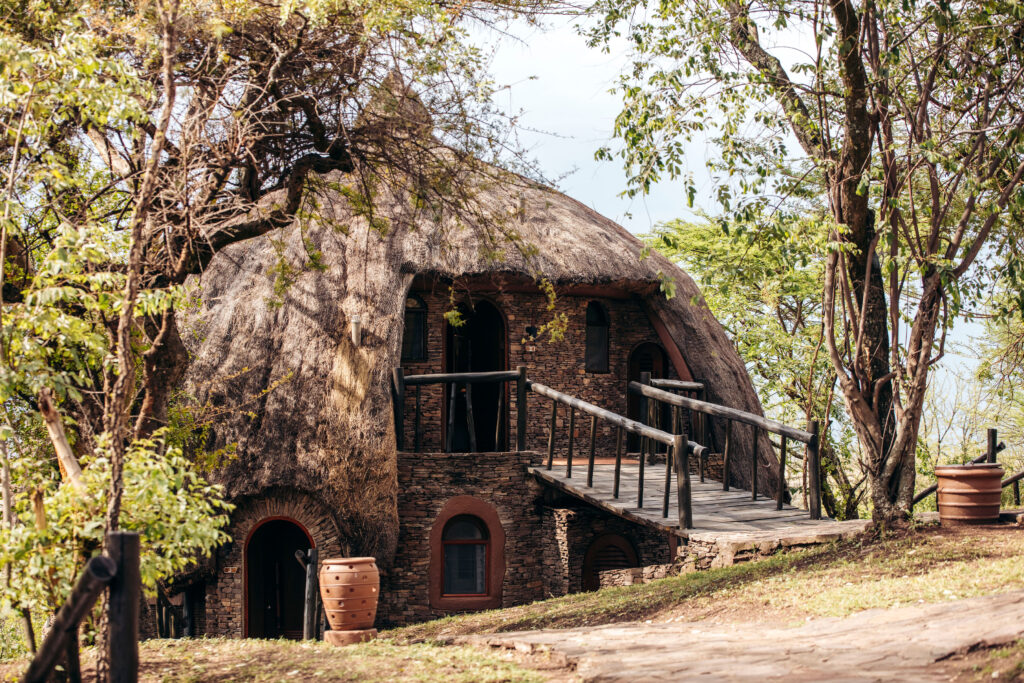
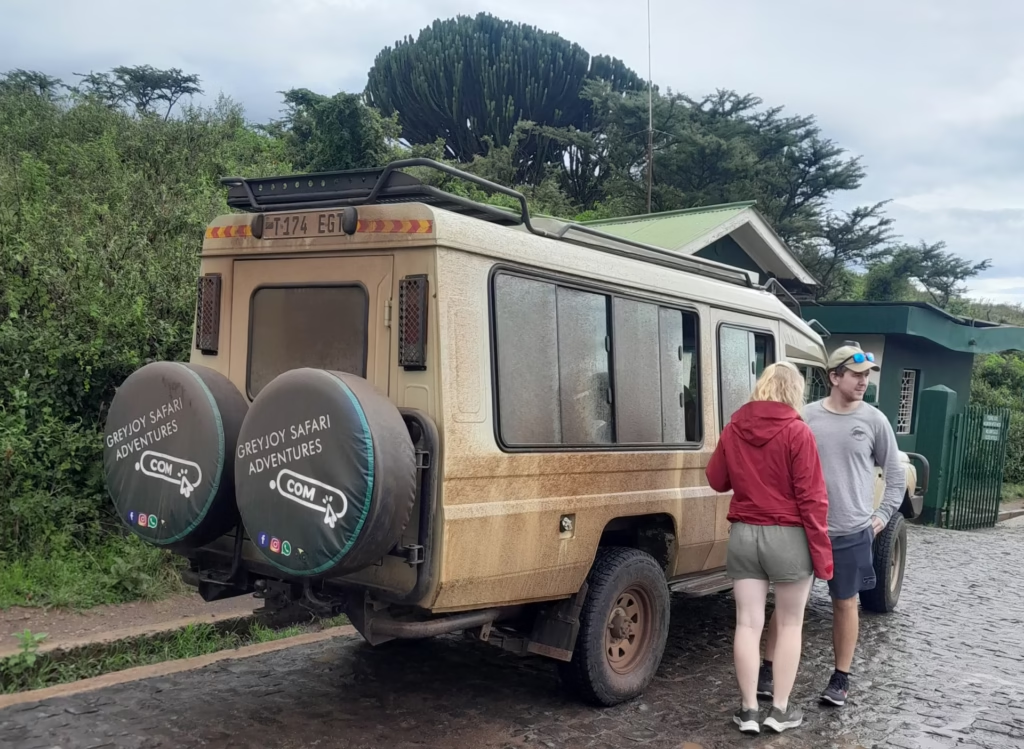
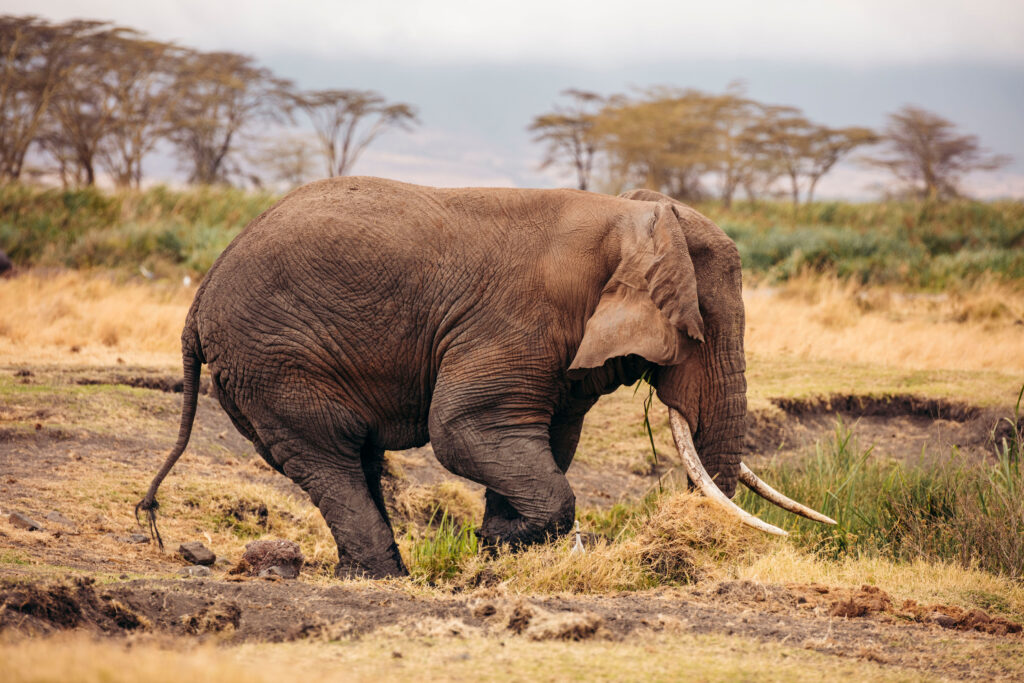
Perfect 7-Day Tanzania Safari Itinerary for First-Time Visitors Introduction to Tanzania Safaris Why Tanzania is a Top Safari Destination If there’s one place that truly delivers the African safari dream, it’s Tanzania. Home to the Great Wildebeest Migration, the iconic Serengeti, and the Ngorongoro Crater, Tanzania is wildlife royalty. From big cats to massive elephant herds, it’s all here—and it’s wild, raw, and unforgettable. Best Time to Visit Tanzania Tanzania’s safari season shines brightest during the dry months of June to October. That’s when animals gather around water sources, making them easier to spot. But if you want to witness the Wildebeest Calving Season, aim for January to March in the Ndutu region. What to Expect on Your First Safari Expect early mornings, open-air game drives, epic sunsets, and surprises at every turn. You’ll be up close with animals you’ve only seen on Nat Geo, and the landscapes will steal your breath. It’s not just a trip—it’s an adventure that gets under your skin. Things to Consider Before Planning Your Safari Budgeting for Your Trip Safaris can range from $1,500 to over $5,000 per person depending on the level of luxury. All-inclusive packages cover park fees, guides, meals, and accommodations—but don’t forget to budget for tips and souvenirs. Choosing the Right Safari Type (Private vs Group) Private Safaris give you flexibility, personalized service, and a tailor-made route. Group Safaris are budget-friendly and a great way to meet fellow travelers. Health and Safety Tips Get a Yellow Fever vaccination (required if arriving from a risk country). Bring malaria pills and sunscreen. Stick to bottled water and follow your guide’s safety advice. Overview of the 7-Day Itinerary National Parks You’ll Visit Tarangire National Park Lake Manyara National Park Ngorongoro Crater Serengeti National Park Wildlife Highlights Elephants, lions, leopards, rhinos, giraffes, zebras, wildebeests, flamingos—you name it. Cultural Experiences Visit a Maasai village, taste local food, and hear ancient stories passed down generations. Day 1: Arrival in Arusha Airport Pickup and Hotel Check-In Arrive at Kilimanjaro International Airport where your driver-guide will meet you. After check-in at your lodge or hotel, relax and prepare for your safari journey. Exploring Arusha City (Optional) If time allows, visit the Cultural Heritage Centre, local markets, or grab a coffee at one of Arusha’s trendy cafes. Day 2: Tarangire National Park Game Drive and Elephant Spotting Kick off with a drive to Tarangire, famous for its massive elephant population. You’ll also see giraffes, lions, zebras, and possibly cheetahs. Baobab Tree Landscape The iconic baobab trees dotting the landscape give Tarangire a magical, almost prehistoric feel. Day 3: Lake Manyara National Park Tree-Climbing Lions and Birdlife Lake Manyara offers lush forests, groundwater-fed springs, and views of the Great Rift Valley. Look out for tree-climbing lions and flamingos! Picnic Lunch with a View Enjoy lunch at a scenic spot overlooking the lake and keep your eyes peeled for hippos. Day 4: Ngorongoro Crater Exploration Full Day Crater Safari Descend 600 meters into this ancient volcanic caldera, home to over 25,000 animals. Spotting the Big Five With a bit of luck, you can spot all the Big Five here—especially the endangered black rhino. Day 5: Serengeti National Park – Central Serengeti Scenic Drive into the Endless Plains Drive through the Ngorongoro highlands into Serengeti National Park. The landscapes transition from lush forest to wide-open plains. Afternoon Game Drive Go on a game drive en route to your lodge or camp, spotting predators and prey in action. Day 6: Serengeti Full Day Safari Sunrise Game Drive Start early for the best wildlife encounters. Lions hunt at dawn, and you might just catch them in action. Following the Wildebeest Migration (Seasonal) Depending on the season, your guide will track the Wildebeest Migration, one of the world’s most epic wildlife spectacles. Day 7: Return to Arusha Morning Game Drive (Optional) If time permits, squeeze in one last game drive before heading back. Flight or Drive Back Fly or drive back to Arusha. Enjoy a farewell meal or overnight stay before your international flight. Tips to Enhance Your Safari Experience What to Pack Neutral-colored clothing Binoculars Camera with zoom lens Light jacket (mornings are chilly!) Photography Tips Use burst mode for action shots Respect animal space Golden hour = best lighting Responsible Travel Tips Don’t litter Don’t feed the animals Support local communities and eco-friendly lodges Conclusion Your first safari in Tanzania will be unforgettable. With jaw-dropping landscapes, rich culture, and once-in-a-lifetime wildlife sightings, it’s the perfect way to start your safari journey. Whether you’re here for the lions, the Maasai stories, or the Serengeti sunsets—you’ll leave with memories that stay with you forever. FAQs 1. What is the best month to go on a safari in Tanzania? The best months are June to October for wildlife viewing and January to March for the calving season in Ndutu. 2. Is Tanzania safe for tourists? Yes, Tanzania is safe for tourists. Just follow basic travel precautions and stay with a reputable guide or tour company. 3. Do I need a visa to travel to Tanzania? Most visitors need a tourist visa, which can be obtained online or on arrival. 4. How much does a 7-day safari cost? A typical 7-day safari can cost between $1,500 and $5,000+ depending on accommodation, transport, and season. 5. What should I wear on safari? Wear neutral-colored clothes, comfortable walking shoes, and bring a hat, sunglasses, and light jacket for chilly mornings.