
When Is the Best Time to Visit Tanzania for Safari?
Table of Contents
ToggleTanzania is one of the rare safari destinations where wildlife viewing is rewarding throughout the year. From the endless plains of the Serengeti to the baobab-dotted landscapes of Tarangire and the wildlife-rich Ngorongoro Crater, every season reveals a different side of the country’s natural rhythm.
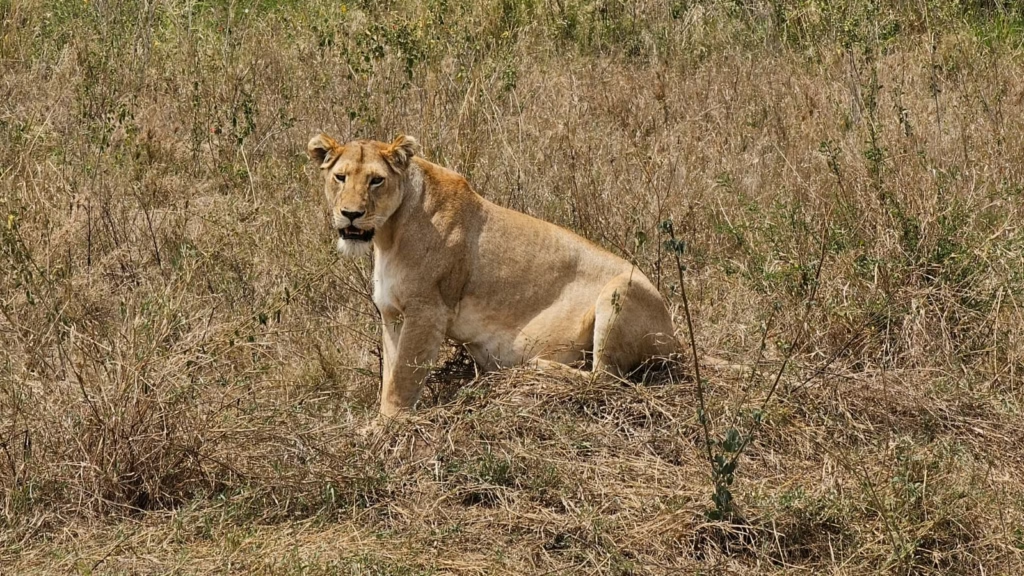
A lion in Serengeti, Tanzania, during the dry season
That’s why the best time to visit Tanzania for safari depends less on a fixed date and more on what you want to experience. Weather conditions, wildlife behavior, and crowd levels all play a role in shaping your safari. Some travelers dream of dry-season clarity and dramatic migration scenes, while others prefer green landscapes, newborn animals, and quieter parks.
Broadly speaking, Tanzania’s safari year is shaped by two contrasting experiences: the dry season, known for excellent visibility and classic game viewing, and the green or calving season, prized for lush scenery, predator action, and better value. Understanding this balance is the first step to choosing the right time for your safari
Tanzania Safari Seasons Explained (At a Glance
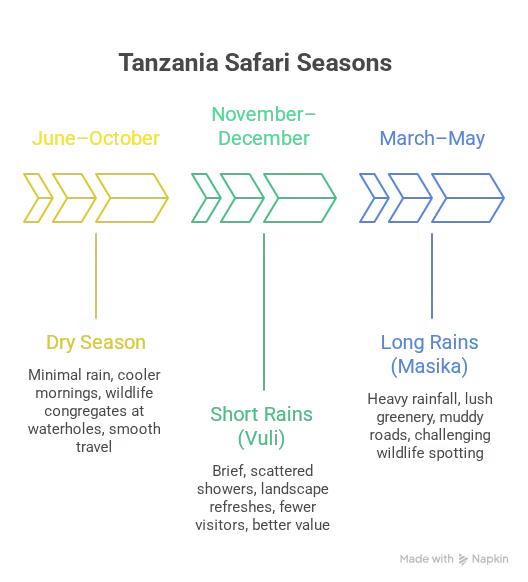
Tanzania Safari Seasons
Tanzania’s safari seasons are defined by rainfall rather than temperature. The country experiences warm conditions year-round, but shifting rain patterns determine animal movement, vegetation density, and overall safari logistics. These patterns fall into three main seasons
The Dry Season Advantage (June–October)✨
The dry season is widely considered the classic time to go on safari in Tanzania. From June to October, rainfall is minimal, skies are clear, and daytime temperatures range comfortably between cool mornings and warm afternoons. Early game drives can feel crisp, especially in June and July, while September and October bring warmer, drier conditions.
With little rain, vegetation thins across the parks, dramatically improving wildlife visibility. Animals are easier to spot at a distance, and sightings tend to be longer and less obstructed—ideal for photography and first-time safari travelers.
As natural water sources dry up, wildlife concentrates around rivers, lakes, and permanent waterholes. This creates predictable movement patterns and increases the chances of seeing large numbers of animals in one area, including elephants, buffalo, lions, and other members of the Big Five.
This experience is best enjoyed in the Serengeti National Park, where the migration and dry-season Big Five sightings are unforgettable.
Some of Tanzania’s best parks truly shine during this period. The Serengeti offers peak migration action, the Ngorongoro Crater delivers reliable Big Five sightings, Tarangire National Park becomes famous for massive elephant herds, and remote southern parks like Ruaha and Katavi provide exceptional dry-season wilderness experiences.

Elephant Heard, During the rainy season in Ngorongoro Crater
The Green & Calving Season (January–March)✨
January to March marks the start of Tanzania’s green season, following short rains that refresh the landscape without causing major disruption. This period often includes a short dry spell with occasional light showers, creating vibrant scenery and comfortable safari conditions.
In the southern Serengeti and Ndutu region, this is calving season for the Great Wildebeest Migration. Hundreds of thousands of calves are born in a matter of weeks, filling the plains with life and movement. This abundance of newborns attracts predators in high numbers, resulting in frequent and dramatic wildlife encounters.
Despite the intensity of wildlife action, this season sees fewer visitors compared to the dry months. Safari vehicles are more spread out, lodges are quieter, and the overall experience feels more intimate and immersive.
Learn more about what to expect in Tanzania with our guide: Tanzania Safari: What to Expect on the Adventure of a Lifetime.
Another key advantage is value. With lower demand, many lodges offer more competitive rates, making January to March an excellent choice for travelers seeking rich wildlife experiences, striking green landscapes, and better overall value—without compromising on sightings
Planning a Trip to Tanzania?
Our team is always here to help
Please let us know if you have any questions
Final Verdict: So, When Is the Best Time to Visit Tanzania for Safari?✨
If your goal is classic safari conditions—clear weather, reliable wildlife sightings, and iconic migration moments—June to October stands out as the most dependable time to visit Tanzania. It’s ideal for first-time safari travelers and those seeking drama and scale.
If you’re drawn to lush landscapes, intense predator action, and a quieter, more exclusive atmosphere, January to March offers extraordinary rewards through calving season and lower visitor numbers.
Combine your timing choice with the unforgettable 8-Day Great Migration Safari for a full migration-focused adventure.
Ultimately, the best time isn’t about choosing the “right” month—it’s about choosing the right experience. With flexible planning, informed timing, and expert guidance, Tanzania delivers unforgettable safaris in every season.