
What to Pack for a Tanzania Safari (2026 Packing List)
Why Your Tanzania Safari Packing List Matters
Packing for a safari in Tanzania is not the same as packing for a typical vacation. The landscapes are wild, the conditions change throughout the day, and many of the most spectacular safari destinations—like the Serengeti or Ngorongoro—are far from major towns or shops. Preparing the right Tanzania safari packing list ensures you stay comfortable, protected, and ready to fully enjoy every moment of your adventure.
A typical safari day can begin with a chilly early-morning game drive when temperatures in some highland areas can drop to around 10°C (50°F). By midday, the African sun can push temperatures up to 30°C (86°F) or more. Add in dusty safari tracks, strong sun exposure, occasional insects, and the possibility of sudden rain during certain seasons, and it becomes clear why thoughtful packing is essential.
Another factor many travelers overlook is the luggage restriction on safari flights. Small bush planes that connect destinations like Serengeti, Tarangire, and the Ngorongoro area usually allow only 15–20 kg (33–44 lbs) of luggage, often including hand baggage. This means overpacking can quickly become inconvenient—or even impossible.
The key is to pack lightweight, breathable, and neutral-colored clothing that can be layered throughout the day. Versatile items that dry quickly, protect you from the sun and insects, and work across different safari settings will make your trip far easier and more comfortable.
In this guide, we break down a complete Tanzania safari packing list for 2026, covering everything you need—from clothing and gear to medications and camera equipment—so you can travel smart, pack light, and focus on the unforgettable wildlife experience that awaits.
Planning your trip to Tanzania already?
Once you know what to pack, the next step is choosing the right safari experience. Our 8-Day Big 5, Wildebeest Migration & Cultural Tanzania Safari combines iconic wildlife encounters with authentic cultural visits for a complete Tanzania adventure.
👉 Explore the 8-Day Big 5, Wildebeest Migration & Cultural Tanzania Safari
✨ Expert guides, Perfect timing, Zero guesswork. Free Plan✨
2. Understanding Tanzania Safari Conditions
2.1 Weather and Temperature Changes
Before deciding what to pack, it helps to understand the real conditions you will experience on a Tanzania safari. Unlike a typical holiday where the weather and environment remain fairly predictable, safaris involve early starts, long hours outdoors, changing temperatures, and travel through remote wildlife areas. Knowing what these conditions are like makes it much easier to build a practical Tanzania safari packing list.
Game drives often begin very early in the morning when wildlife is most active. At this time, especially in higher-altitude areas such as the Ngorongoro Highlands, temperatures can feel surprisingly cold—sometimes dropping to around 10°C (50°F). A warm layer like a fleece or light jacket is essential to stay comfortable during these chilly sunrise drives.
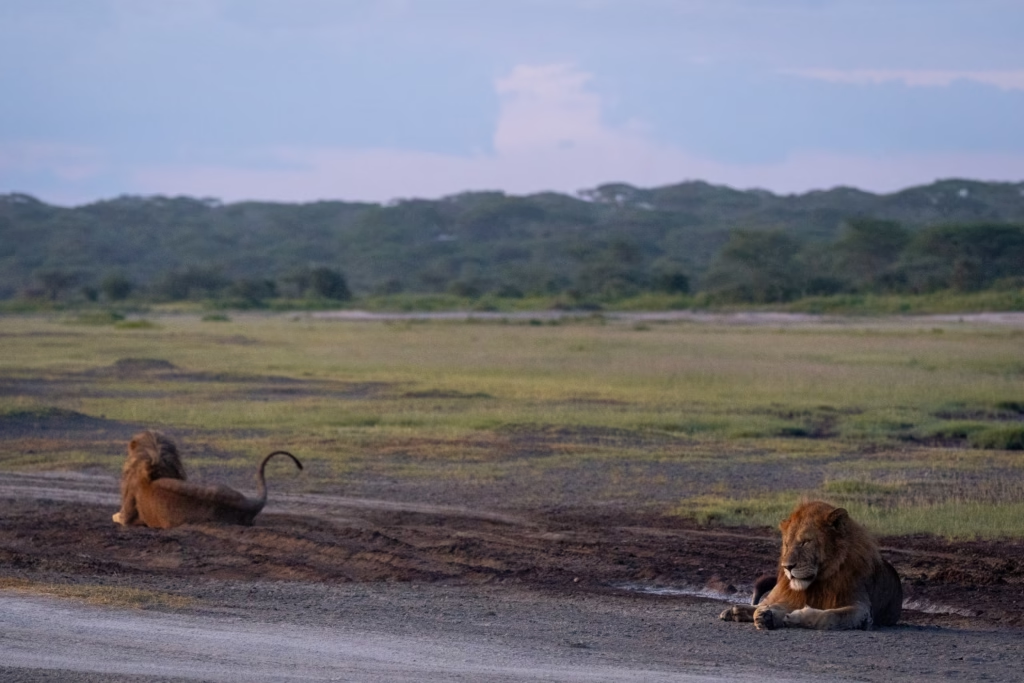
As the sun rises, the temperature changes quickly. By midday, when the African sun is strongest, temperatures can climb to 30°C (86°F) or even higher, particularly in open savanna ecosystems like the Serengeti. Lightweight, breathable clothing becomes important to stay cool while still protecting your skin from intense sun exposure.
Evenings bring another shift. After sunset, temperatures tend to cool down again, especially in camps located in higher elevations or open plains. Whether you are enjoying dinner at the lodge, sitting around a campfire, or heading out for an evening activity, having an extra warm layer helps keep you comfortable once the daytime heat fades.
2.2 Dust, Sun, and Insects
A Tanzania safari places you directly in the heart of nature, which means you will experience the environment exactly as it is—beautiful, raw, and sometimes a little challenging. Understanding these elements will help you pack smarter and stay comfortable throughout your trip.
Dust is one of the most noticeable conditions during safaris, especially in the dry season when vehicles travel along unpaved park roads. As safari vehicles move through the savanna, fine dust can rise into the air and settle on clothes, bags, and camera equipment. Packing clothing in neutral colors such as khaki or beige helps hide dust, while items like scarves or buffs can be useful for covering your nose and mouth during particularly dusty drives.
Another important factor is the strong equatorial sun. Tanzania sits close to the equator, which means sunlight can be intense even when the weather feels mild. Long game drives in open vehicles expose you to direct sunlight for several hours at a time. Protective items such as a wide-brimmed hat, sunglasses, and high-SPF sunscreen are essential to prevent sunburn and dehydration.
Insects are also part of the safari environment. Tsetse flies can be present in some wildlife areas and are particularly attracted to dark colors like blue and black. Mosquitoes are more active during the evening and early morning, especially in lower-altitude regions. Wearing light-colored clothing and using insect repellent can help minimize bites and keep your safari experience comfortable.
Read More Tanzania Travel guide
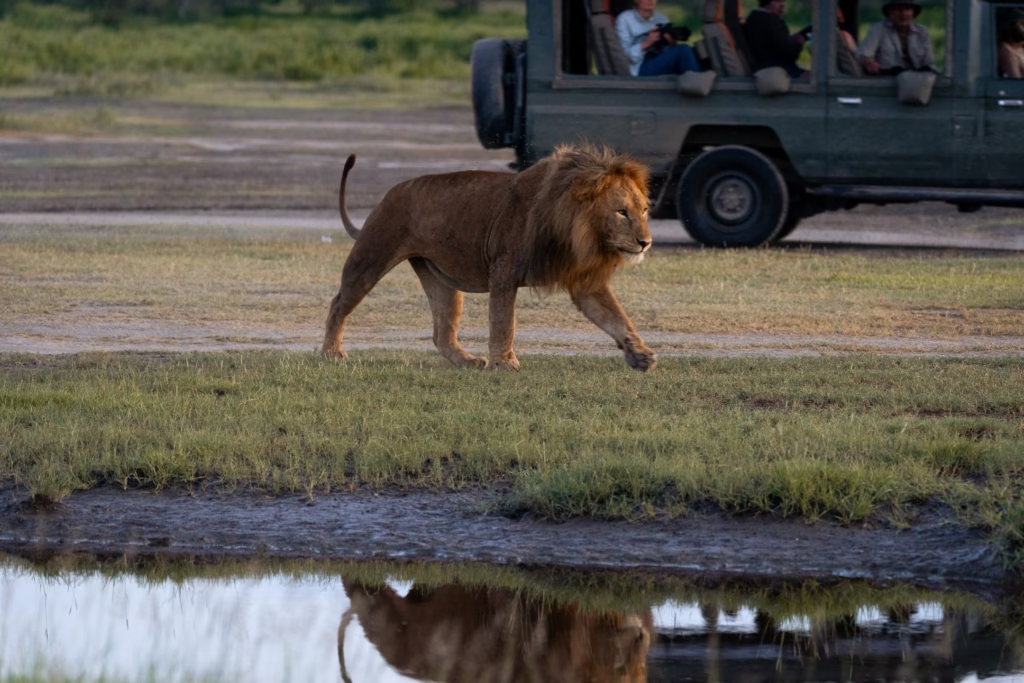
Which is the Best Tanzania National Park for First Time Safari Travelers?
You’ve dreamed about Africa for years—the golden light over endless plains, lions resting in the shade, elephants moving slowly across the horizon. But now that you’re actually planning your first safari in Tanzania, the excitement quickly turns into confusion.
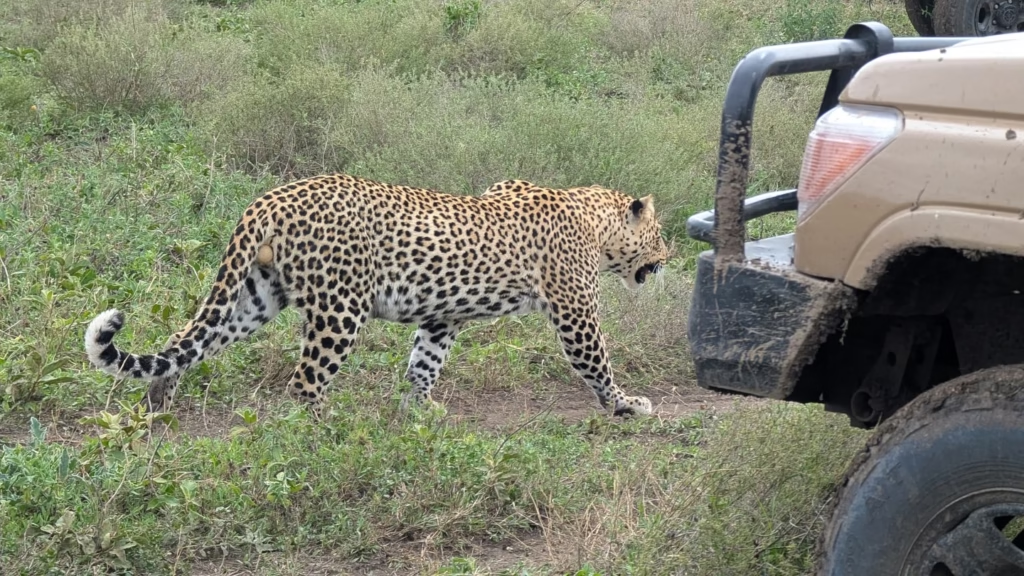
What Do Safari Guests Regret Not Knowing Before Visiting Tanzania?
This is the side of safari most brochures don’t show. And for many first-time travelers, the biggest disappointments don’t come from the wildlife—they come from what they didn’t know before they arrived.
Why February Is One of the Best Month for a Tanzania Safari.
Discover why February is one of the best months for a Tanzania safari—experience the Great Migration calving season, fewer crowds,...
How Much Does a Tanzania Safari Cost in 2026?
Planning the perfect Tanzania safari isn’t just about which parks to visit—it’s about how you structure your days in the...
2.3 Luggage Restrictions on Safari Flights
Many safaris in Tanzania involve traveling between parks on small bush planes, which connect destinations such as the Serengeti, Tarangire, and other remote wildlife areas. Because these aircraft are compact and designed for short regional flights, luggage restrictions are stricter than on international airlines.
Most safari airlines allow a total baggage weight of about 15–20 kg (33–44 lbs) per passenger, and this typically includes both checked luggage and hand baggage. Exceeding this limit can result in extra fees or the need to leave items behind.
For this reason, soft-sided duffel bags are strongly recommended instead of hard suitcases. Soft bags are easier to load into small aircraft cargo compartments and fit more efficiently in limited storage space. Packing light and choosing versatile items ensures you stay within the weight limit while still
3. Tanzania Safari Packing List (2026 Essentials)
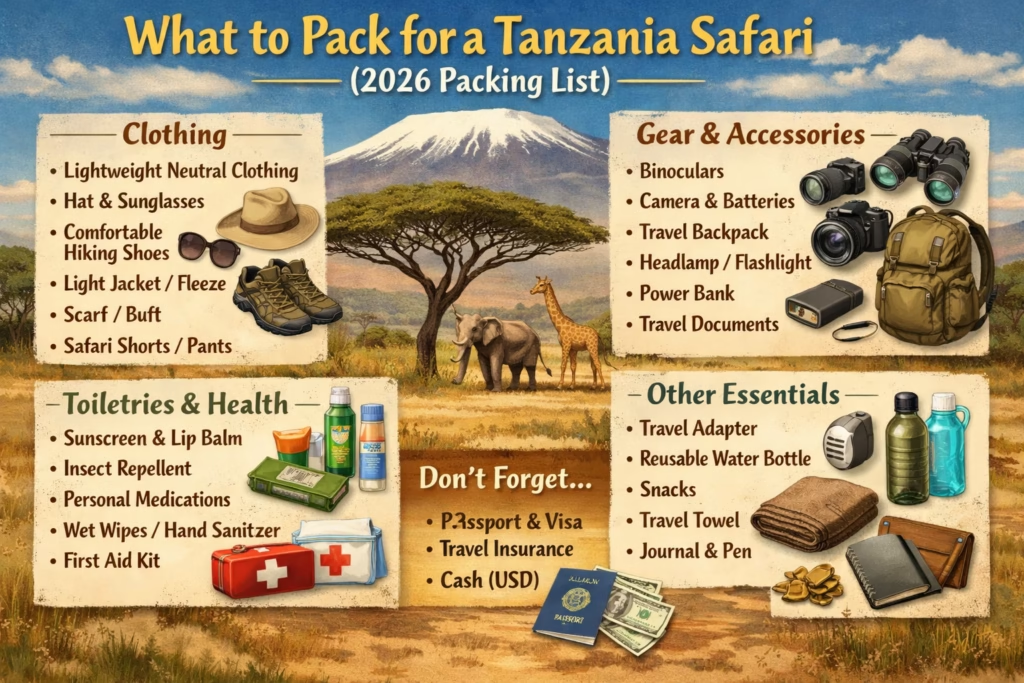
Creating the right Tanzania safari packing list is all about balance—bringing everything you need for comfort and safety while still keeping your luggage light enough for safari travel. Because of changing temperatures, dusty roads, long game drives, and luggage restrictions on bush flights, every item in your bag should serve a clear purpose. The smartest approach is to focus on lightweight, versatile, and practical items that can be used in multiple situations during your trip.
To make packing easier, this guide breaks the essentials into five key categories. Each section covers the items most travelers need for a comfortable and well-prepared safari experience in Tanzania.
- Clothing focuses on breathable, neutral-colored layers that protect you from sun, insects, and temperature changes throughout the day.
- Footwear covers the practical shoes you’ll need for game drives, lodge activities, and relaxing at camp.
- Gear includes the everyday safari essentials such as binoculars, sun protection, and small travel accessories that make life easier in the bush.
- Medication highlights the basic health items and personal medical supplies that are important when traveling in remote wildlife areas.
- Finally, Camera Equipment ensures you are fully prepared to capture Tanzania’s incredible wildlife and landscapes without worrying about dust, battery life, or storage space.
Together, these categories form a complete Tanzania safari packing list for 2026, helping you travel prepared, stay comfortable, and focus on the unforgettable wildlife experiences that await. ✨
4. Clothing: What to Wear on a Tanzania Safari
4.1 Best Colors for Safari Clothing
When choosing clothing for your safari, color matters more than many travelers realize. The right colors help you stay comfortable, blend naturally into the environment, and avoid attracting insects. Safari guides and experienced travelers generally recommend wearing neutral, earth-toned clothing that reflects the natural colors of the African landscape.
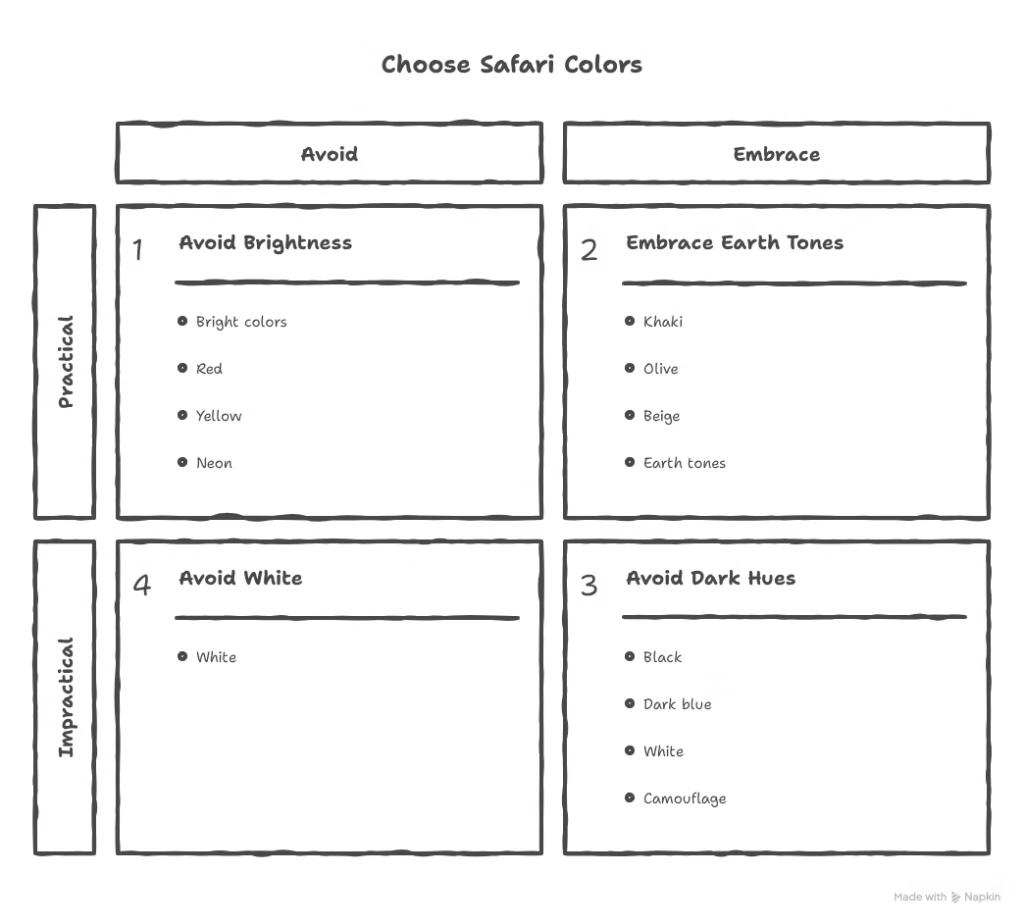
By sticking to simple, neutral safari colors, you not only follow local guidelines but also improve your comfort and blend naturally into the stunning landscapes of Tanzania.
4.2 Essential Safari Clothing Checklist
List items:
- 4–5 short-sleeved breathable shirts
- 2–3 long-sleeved shirts (sun & insect protection)
- 2 lightweight safari trousers or zip-off pants
- 1–2 pairs of shorts
- 1 fleece jacket or warm sweater
- 1 lightweight waterproof/windproof jacket
- 5–7 pairs socks and underwear
- 1 swimsuit
- 1 sleepwear set
- 1 smart-casual outfit for lodge dinners
- Wide-brim hat
- Buff or scarf for dust protection
Planning your trip to Tanzania already?
Now that you know the best clothing for safari conditions, imagine wearing those layers while watching lions roam the Serengeti at sunrise. Our 8-Day Big 5, Wildebeest Migration & Cultural Tanzania Safari is designed to take you to the heart of Tanzania’s most famous wildlife destinations.
👉 Explore the 8-Day Big 5, Wildebeest Migration & Cultural Tanzania Safari
✨ Expert guides, Perfect timing, Zero guesswork. Free Plan✨
4.3 Safari Footwear
Choosing the right footwear for a safari is simple but important. You will spend many hours in a safari vehicle, walking around lodges, and occasionally taking short guided bush walks depending on your itinerary. Because luggage space is limited on safari flights, it’s best to bring only two practical pairs of shoes that cover both comfort and functionality.
1 pair of closed-toe trail shoes or light hiking shoes is essential for safari activities. These shoes provide protection from dust, uneven ground, and small thorns commonly found in the bush. They are ideal for game drives, walking around camp, and any guided nature walks that may be included in your safari. Lightweight hiking shoes with good grip and breathable fabric work particularly well in Tanzania’s warm conditions.
The second pair should be sandals or flip-flops, which are perfect for relaxing at the lodge, walking to the pool, or wearing around camp after a long day of game drives. They give your feet a chance to breathe and provide a comfortable option when you don’t need full walking support.
One important tip many travelers overlook is to break in your shoes before traveling. Brand-new hiking shoes can cause blisters if worn for the first time on dusty trails or long safari days. Wearing them for short walks at home before your trip helps soften the material, improves comfort, and ensures your footwear is ready for the adventure ahead.
By keeping your safari footwear simple—one sturdy pair for activities and one relaxed pair for camp—you stay within luggage limits while still having everything you need for a comfortable safari experience.
5. Safari Gear: Essential Items to Bring
5.1 Must-Have Safari Gear
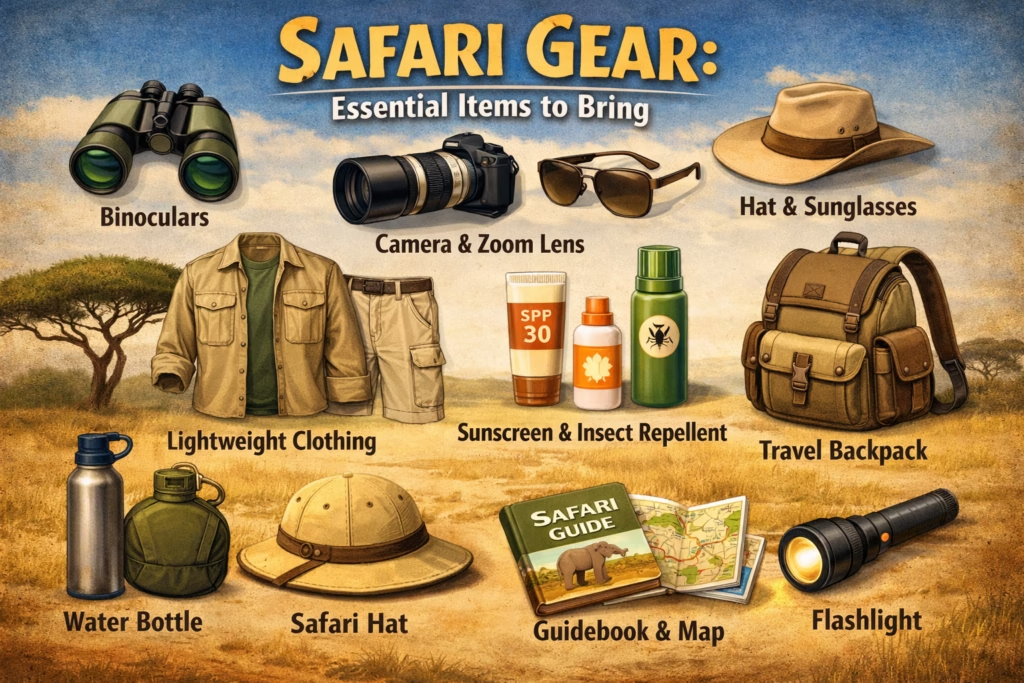
A safari is all about observing wildlife and spending long hours exploring the wilderness, so bringing a few practical pieces of gear can greatly improve your experience. The key is to choose lightweight, multi-purpose items that are easy to carry during game drives and daily excursions.
One of the most important items to pack is compact binoculars, ideally with 8× magnification. Wildlife is often spotted at a distance—whether it’s a leopard resting in a tree or elephants moving across the plains. A good pair of binoculars allows you to see details you might otherwise miss, making it one of the most valuable tools on a safari.
A reusable water bottle is another essential. Game drives can last several hours, and staying hydrated under the African sun is extremely important. Many safari vehicles and lodges provide refill stations, making a reusable bottle both practical and environmentally friendly.
You should also bring a small safari daypack. This compact bag allows you to carry daily essentials such as sunscreen, a camera, binoculars, insect repellent, and extra layers during game drives or lodge activities. A lightweight daypack keeps everything organized and easily accessible throughout the day.
5.2 Electronics and Power
While safaris are about disconnecting from daily routines and immersing yourself in nature, a few basic electronic items can make your trip much more convenient—especially in remote camps where electricity may be limited.
A headlamp or small flashlight is extremely useful. Many safari lodges and tented camps have dim lighting at night, and pathways between tents and the dining area may not be fully illuminated. A headlamp allows you to move around safely after dark while keeping your hands free.
A power bank is also highly recommended. Some safari camps rely on generators or solar power, meaning electricity may only be available during certain hours of the day. A power bank ensures your phone, camera, or other small devices remain charged even when outlets are unavailable.
Finally, bring a universal travel adapter. Tanzania commonly uses Type D and Type G plugs with a 230V power supply, so having the correct adapter allows you to charge devices without any problems at hotels, lodges, or safari camps.
With these small but essential items, you’ll stay organized, connected, and prepared for every moment of your safari adventure.
Planning your trip to Tanzania already?
With the right binoculars and gear, you’ll be ready to spot wildlife across Tanzania’s vast landscapes. One of the best ways to experience this is through our 9-Day Safari and Beach Retreat, where thrilling game drives in the Serengeti are followed by relaxing days on Zanzibar’s tropical beaches.
👉 9-Day Safari and Beach Retreat,
✨ Expert guides, Perfect timing, Zero guesswork. Free Plan✨
5.3 Sun and Insect Protection
Spending hours outdoors is one of the highlights of a Tanzania safari, but it also means you will be exposed to strong sunlight and occasional insects. Packing the right protective items helps you stay comfortable throughout long game drives and prevents common issues such as sunburn or insect bites.
A high-SPF sunscreen is one of the most important items to bring. Because Tanzania lies close to the equator, the sun can be intense even on cooler days. Applying sunscreen regularly—especially to your face, neck, and arms—helps protect your skin during extended periods in open safari vehicles.
Don’t forget lip balm with sun protection as well. Dry air, wind during game drives, and strong sun exposure can quickly cause chapped lips. A small SPF lip balm keeps your lips hydrated and protected throughout the day.
Polarized sunglasses are another essential item. They reduce glare from the bright African sun and improve visibility when scanning the landscape for wildlife. Good sunglasses also help protect your eyes from dust and wind while traveling along unpaved safari roads.
Finally, pack a reliable DEET-based insect repellent. Mosquitoes are typically more active during early mornings and evenings, particularly in lower-altitude areas. Applying repellent helps prevent bites and ensures you can relax comfortably during outdoor dinners, evening activities, or sunset game drives.
With these simple sun and insect protection essentials, you’ll be better prepared to enjoy your safari comfortably while focusing on the incredible wildlife and landscapes around you.
6. Medication and First Aid for a Tanzania Safari
6.1 Basic Safari Medical Kit
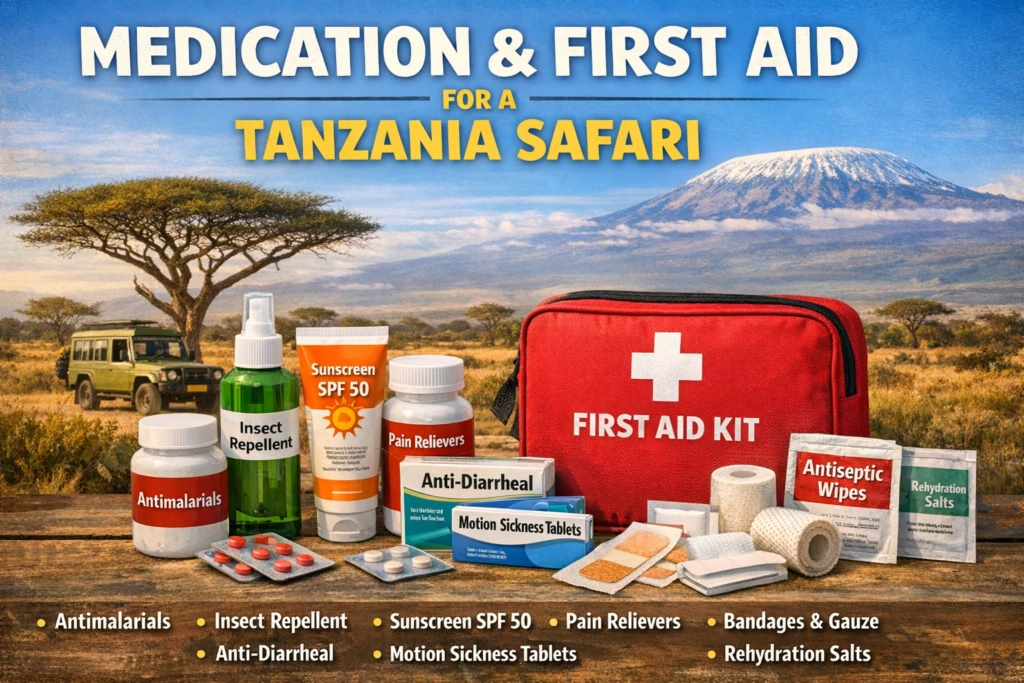
When traveling through Tanzania’s remote wildlife areas, having a basic medical kit is essential. Access to pharmacies or clinics can be limited, so being prepared for minor health issues ensures that small problems don’t disrupt your safari adventure.
Start with pain relievers such as ibuprofen or paracetamol. These are useful for headaches, muscle soreness from long game drives, or any minor aches that may occur during your trip.
Include anti-diarrhea medication and antacids, as changes in diet, water, or even the excitement of travel can sometimes upset your stomach. These items help you stay comfortable and prevent a minor digestive issue from interfering with your daily activities.
Antihistamines are also important, especially for anyone prone to allergies from insect bites, dust, or pollen. They can help reduce discomfort from sneezing, itching, or rashes.
Finally, pack anti-itch cream for relief from mosquito bites, minor scratches, or irritation caused by dust and plants along bush walks.
Together, these items form the core of a practical safari medical kit, allowing you to handle minor health issues on your own while enjoying Tanzania’s wildlife and landscapes safely. ✨
6.2 First Aid Essentials
In addition to basic medications, a well-stocked first aid kit is crucial for any Tanzania safari. Even minor cuts, scrapes, or blisters can become uncomfortable in remote areas, so being prepared helps you stay safe and enjoy every moment of your trip.
Include bandages of various sizes for small cuts, scratches, or abrasions. Antiseptic wipes are essential for cleaning wounds before applying bandages to prevent infection. For long days on dusty roads or bush walks, blister pads can make a huge difference, providing cushioning and relief for sore or rubbing feet.
Having these simple items on hand ensures you can manage minor injuries immediately, avoiding unnecessary discomfort or disruption during your safari.
6.3 Personal Health Preparations
Preparation for your personal health is just as important as packing first aid. Bring any prescription medications in their original packaging, along with a copy of the prescription, to ensure continuity of care and avoid issues at customs.
Pack hand sanitizer and wet wipes to maintain hygiene while traveling between lodges, camps, and game drives, especially in remote areas where running water may be limited.
Consult your doctor about malaria prophylaxis, as some regions in Tanzania, particularly lower-altitude areas, have a risk of malaria. Understanding the correct preventive measures helps protect you during your trip.
Finally, review vaccine considerations based on your travel history and itinerary. Vaccines such as yellow fever may be required for travelers coming from certain countries, while routine immunizations should be up to date.
By preparing your personal health essentials ahead of time, you can enjoy a worry-free safari while staying safe and protected throughout your Tanzanian adventure.
7. Camera Equipment for a Tanzania Safari
7.1 Essential Safari Camera Setup
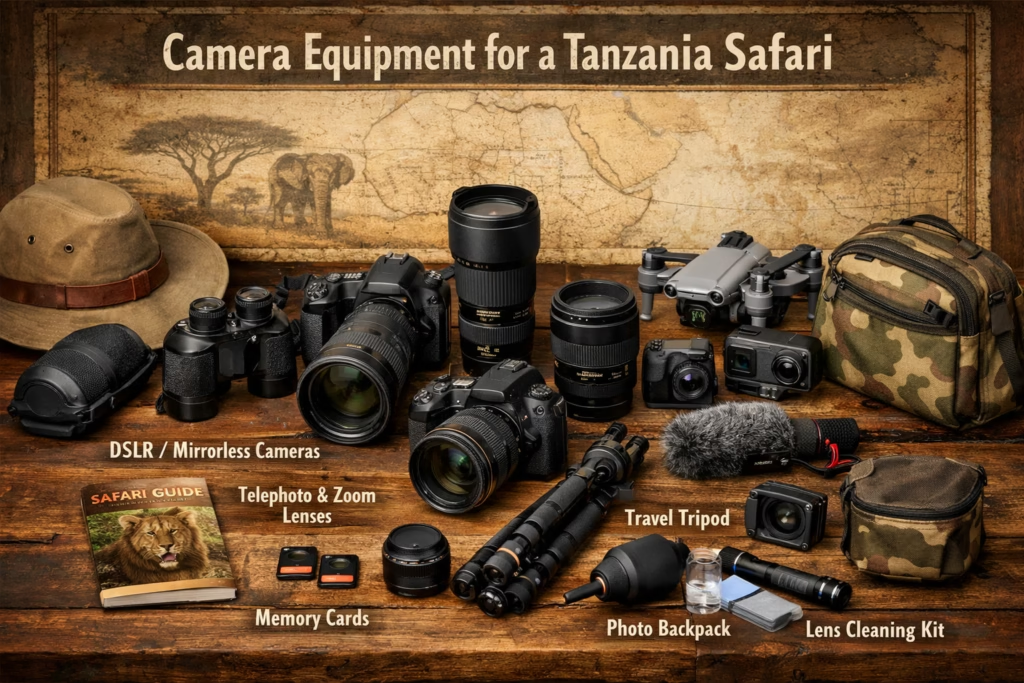
Capturing Tanzania’s stunning wildlife and landscapes is one of the highlights of any safari, but having the right camera equipment is key to getting great shots. A reliable DSLR or mirrorless camera is essential, offering flexibility, high image quality, and the ability to switch lenses depending on your subject.
For most game drives, a 70–400mm zoom lens is ideal. This range allows you to photograph distant wildlife, such as lions resting under a tree or elephants grazing across the plains, without disturbing them or leaving your vehicle. It also provides the versatility to frame close-up animal portraits from a safe distance.
In addition, a wide-angle lens is useful for capturing sweeping landscapes, dramatic skies, and the grandeur of the Tanzanian savanna. It’s perfect for lodge shots, sunrise and sunset panoramas, or creative shots that include both wildlife and their environment.
Together, this camera setup ensures you are ready to capture the full beauty of your Tanzania safari, from intimate animal moments to expansive scenic views.
7.2 Important Accessories
Even the best camera setup won’t help if you’re unprepared for the practical challenges of a safari. Bringing the right accessories ensures you can capture every moment without interruption.
Pack extra batteries and memory cards, as long game drives and multiple shooting sessions can quickly drain power and storage. A lens cleaning cloth or brush is essential to remove dust or smudges, keeping your shots clear and sharp. Finally, a protective camera bag safeguards your gear from dust, bumps, and sudden rain, making it easier to transport between lodges and game drives.
Planning your trip to Tanzania already?
If you’re packing camera gear for incredible wildlife photography, you’ll want a safari designed for unforgettable sightings. Our 7-Day All-Inclusive Luxury Family Safari offers comfortable lodges, expert guides, and incredible wildlife encounters that create perfect photo opportunities for the whole family.
👉 See the 7-Day All-Inclusive Luxury Family Safari
✨ Expert guides, Perfect timing, Zero guesswork. Free Plan✨
7.3 Photography Tips for Safaris
Capturing the best safari photos often requires a few insider tricks. Using bean bags on safari vehicles stabilizes your camera, allowing you to take sharp shots from moving cars without bulky tripods.
Always protect your gear from dust, which is prevalent on unpaved roads and can damage lenses or sensors. Cover your camera when not in use, and clean lenses regularly during the day.
Consider using polarizing filters to reduce glare from bright sunlight, enhance colors, and make the African landscape appear even more vibrant.
By combining the right accessories with these simple photography techniques, you’ll be ready to capture Tanzania’s wildlife and landscapes in their full glory.
8. Pro Packing Tips for a Tanzania Safari
Packing smart for a Tanzania safari can make a huge difference in your comfort, convenience, and overall enjoyment. Here are some practical pro tips to help you avoid common packing mistakes and travel light without missing anything essential.
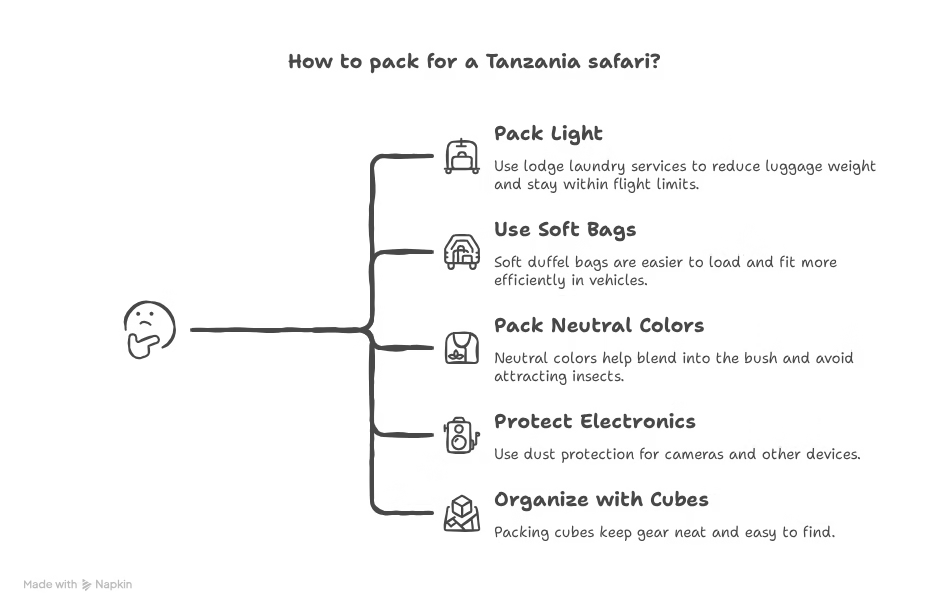
Following these tips ensures your safari luggage is efficient, organized, and ready for the dynamic conditions of a Tanzanian adventure. ✨
9. Printable Tanzania Safari Packing Checklist
Here’s a quick and easy checklist you can save or print to make sure you don’t forget any essentials for your 2026 Tanzania safari. Each section covers the items most travelers need to stay comfortable, safe, and prepared for the bush.
10.Tanzania safari packing - FAQs ✨
1. What should I pack for a Tanzania safari?
For a Tanzania safari, pack lightweight neutral-colored clothing, comfortable walking shoes, binoculars, sunscreen, insect repellent, a small daypack, basic medication, and camera equipment. A well-planned Tanzania safari packing list focuses on versatile items that work in hot days and cooler mornings.
2. What colors should you wear on a safari in Tanzania?
The best colors are neutral earth tones such as khaki, olive, beige, and light brown. These colors blend with the environment, hide dust, and avoid attracting insects like tsetse flies.
3. What colors should you avoid wearing on safari?
Avoid black and dark blue because they attract tsetse flies. White shows dust easily, bright colors may disturb wildlife, and camouflage clothing is restricted for civilians in Tanzania.
4. How much luggage can I bring on a Tanzania safari flight?
Most bush flights within Tanzania allow 15–20 kg (33–44 lbs) of luggage including hand baggage. Soft-sided duffel bags are recommended because they fit better in small aircraft cargo spaces.
5. Do safari lodges offer laundry services?
Yes, most safari lodges and tented camps provide laundry services, often every 1–2 days. This allows travelers to pack lighter and bring fewer clothing items.
6. Do I need binoculars for a safari in Tanzania?
Yes. A compact pair of binoculars (8× magnification recommended) is one of the most useful safari tools, helping you spot wildlife details that may be far away.
7. Do I need malaria medication for a Tanzania safari?
In many areas of Tanzania, travelers are advised to take malaria prophylaxis. You should consult your doctor or travel clinic before your trip for the most appropriate medication and advice.
8. What camera lens is best for a Tanzania safari?
A 70–400mm zoom lens is ideal for wildlife photography because it allows you to capture animals from a safe distance. Many photographers also bring a wide-angle lens for landscapes and scenic shots.
Planning your trip to Tanzania already?
Now that you have your complete Tanzania safari packing list, the only thing left is choosing the safari that brings it all to life.
Whether you want to witness the Great Wildebeest Migration, enjoy a safari and beach combination, or travel on a luxury family adventure, we have the perfect itinerary for you.
👉 Explore the 8-Day Big 5, Wildebeest Migration & Cultural Tanzania Safari
👉 9-Day Safari and Beach Retreat
👉 7-Day All-Inclusive Luxury Family Safari
✨ Expert guides, Perfect timing, Zero guesswork. Free Plan✨