
What Do Safari Guests Regret Not Knowing Before Visiting Tanzania?
The small bush plane touches down on a dusty airstrip in the middle of nowhere. The engine cuts. Silence. Then the wind lifts the red earth into the air, coating your luggage—if it even made it. Hours later, you’re wrapped in a blanket on a freezing sunrise game drive, wondering how Africa can feel this cold. By evening, you’re scanning your bill, surprised by extra park fees, tips, and costs you didn’t see coming.
This is the side of safari most brochures don’t show. And for many first-time travelers, the biggest disappointments don’t come from the wildlife—they come from what they didn’t know before they arrived.
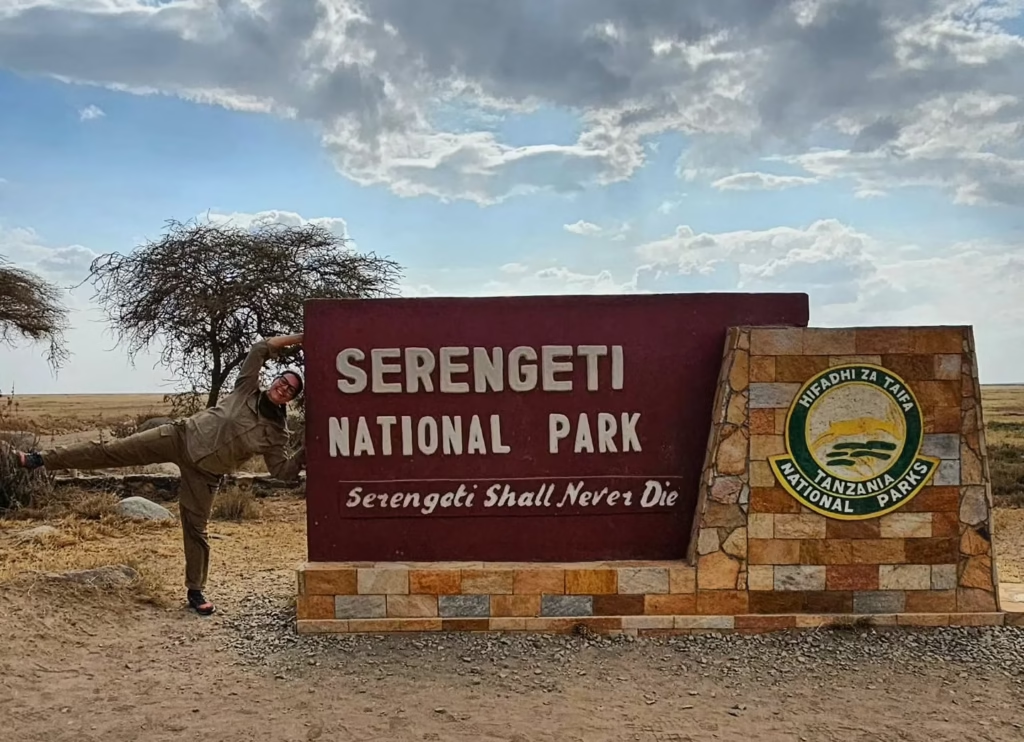
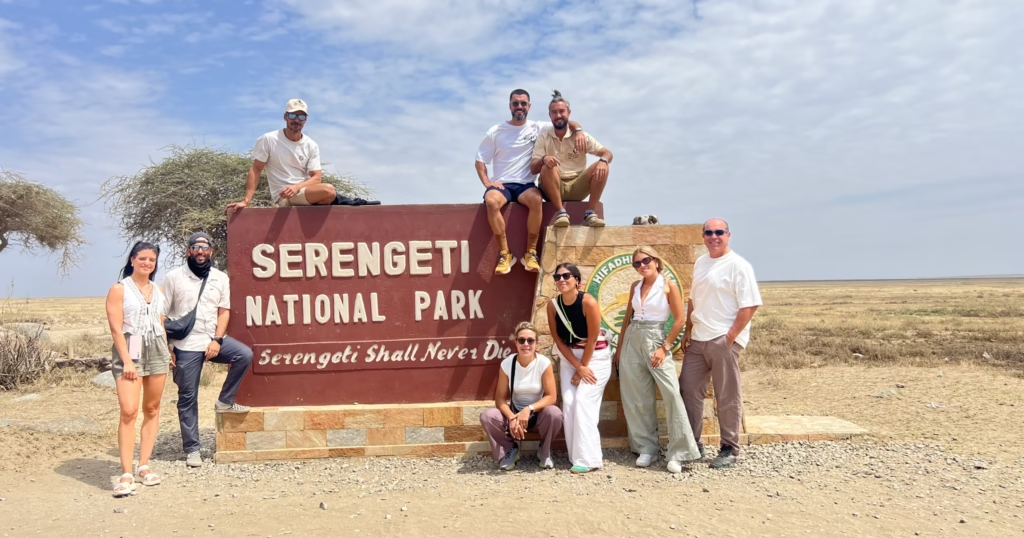
Serengeti National Park
The truth is simple: most Tanzania safari mistakes happen long before you step into a safari vehicle. They happen in the planning, the packing, the timing, and the assumptions. This is not another generic travel guide. This is insider knowledge—drawn from real traveler experiences, real regrets, and the realities of safari on the ground.
If you’re planning your first trip, this guide will save you money, time, and missed wildlife moments… and help you experience Tanzania the way it was meant to be.
👉 Avoid Tanzania Safari Mistakes — Plan It the Right Way
Experience
8-Day Big 5, Wildebeest Migration & Cultural Safari
✨ Expert guides, Perfect timing, Zero guesswork.✨
2. The Biggest Tanzania Safari Mistakes (Quick Overview)
Most first-time travelers make a few common mistakes on a Tanzania safari that can affect their entire experience. Here are the biggest ones to avoid:
- Packing the wrong luggage and clothing — Hard suitcases don’t fit bush planes, bright colors scare wildlife, and forgetting warm layers makes early morning game drives uncomfortable.
- Visiting at the wrong time for wildlife — Poor timing can mean missing the Great Migration, seeing fewer animals due to seasonal movement.
- Underestimating the true safari cost — Park fees, tips, flights, and extras can increase your budget by 40–60% beyond the base price.
- Choosing the wrong guide or vehicle setup — Shared vehicles and inexperienced guides can limit sightings, comfort, and the overall safari experience.
Avoiding these key Tanzania safari mistakes is the difference between an average trip and a truly unforgettable safari.
3. Why Tanzania Safaris Are Different from What Most Travelers Expect
A Tanzania safari is often imagined as a seamless wildlife documentary—lions on every corner, elephants lining the road, and perfect sightings at every turn. But the reality is far more raw, real, and unpredictable. This is not a zoo. There are no guarantees. Wildlife moves freely across vast ecosystems, and even the best guides can’t control where animals will be or when they will appear. Some moments are breathtaking. Others require patience.
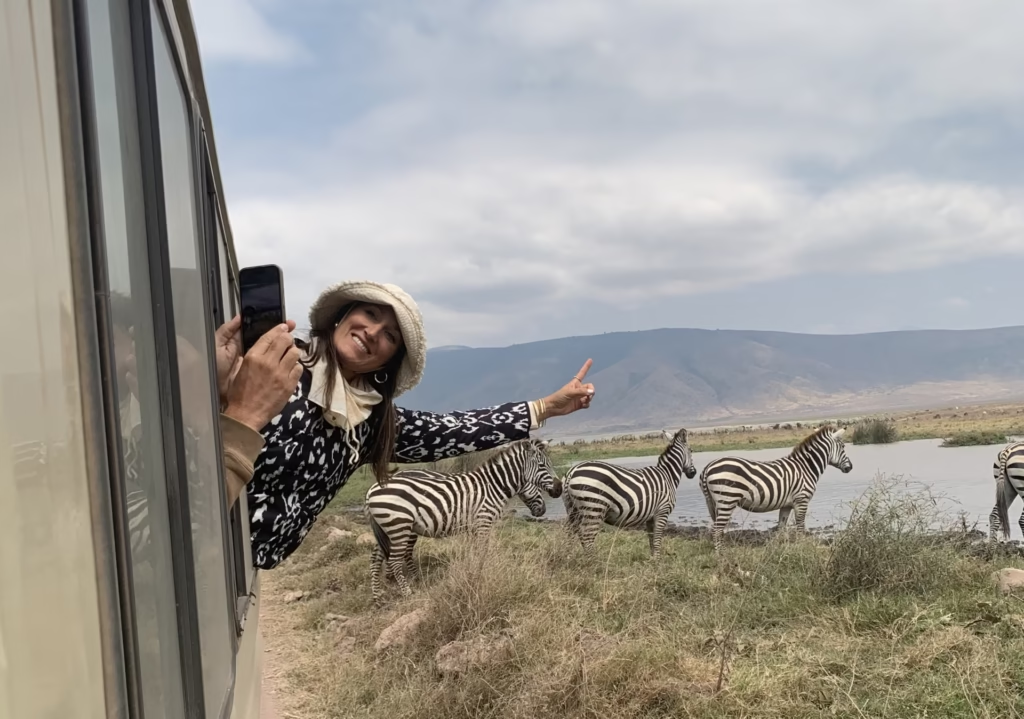
Zebra in Ngorongoro Crater
Then there’s the logistics. Safaris operate in remote, untamed landscapes where infrastructure is minimal. You may land on a dusty bush airstrip with no terminal, drive for hours between parks, and follow strict conservation rules that limit where vehicles can go. Distances are longer than expected, and what looks close on a map can take half a day to reach.
Even the idea of “luxury” in the wild can surprise first-time travelers. Yes, Tanzania offers incredible lodges and camps—but you’re still in nature. Early mornings start before sunrise, temperatures can drop sharply, and dust is part of daily life. Some camps are intentionally simple to keep you closer to the environment, not separated from it.
Understanding these realities is essential. Because when expectations don’t match the experience, disappointment follows. And this is exactly where most Tanzania safari mistakes begin.
4. Packing Mistakes That Ruin a Tanzania Safari Experience
Packing for a Tanzania safari is not about style—it’s about practicality. Many travelers arrive well-prepared for a city holiday, only to realize too late that the bush operates by completely different rules. From luggage restrictions to clothing choices, small mistakes can quickly turn into daily frustrations. — Avoid common Tanzania safari mistakes
4.1. The Suitcase Mistake That Gets You Stuck at the Airstrip
One of the most common Tanzania safari mistakes starts before you even reach your lodge—your luggage. Many safari itineraries involve bush flights, where strict baggage rules apply. These small aircraft typically allow around 15kg per person, and more importantly, soft-sided bags only.
Hard-shell suitcases simply don’t fit into the aircraft’s storage compartments. Travelers who arrive with rigid luggage often face last-minute repacking at the airstrip, leaving items behind or paying for unexpected transfers by road. It’s stressful, inconvenient, and entirely avoidable.
A soft duffel bag is the safest choice—lightweight, flexible, and designed for these conditions.
4.2 Wearing the Wrong Colors on Safari
What you wear on safari isn’t just about comfort—it directly affects your wildlife experience. Bright colors like red, white, neon, or bold patterns can easily attract attention and may disturb animals, reducing your chances of getting close sightings.
Experienced safari guides always recommend neutral tones such as khaki, beige, olive, and soft browns. These colors blend into the environment, allowing you to observe wildlife more naturally without drawing unnecessary attention.
It may seem like a small detail, but on safari, blending in is everything.
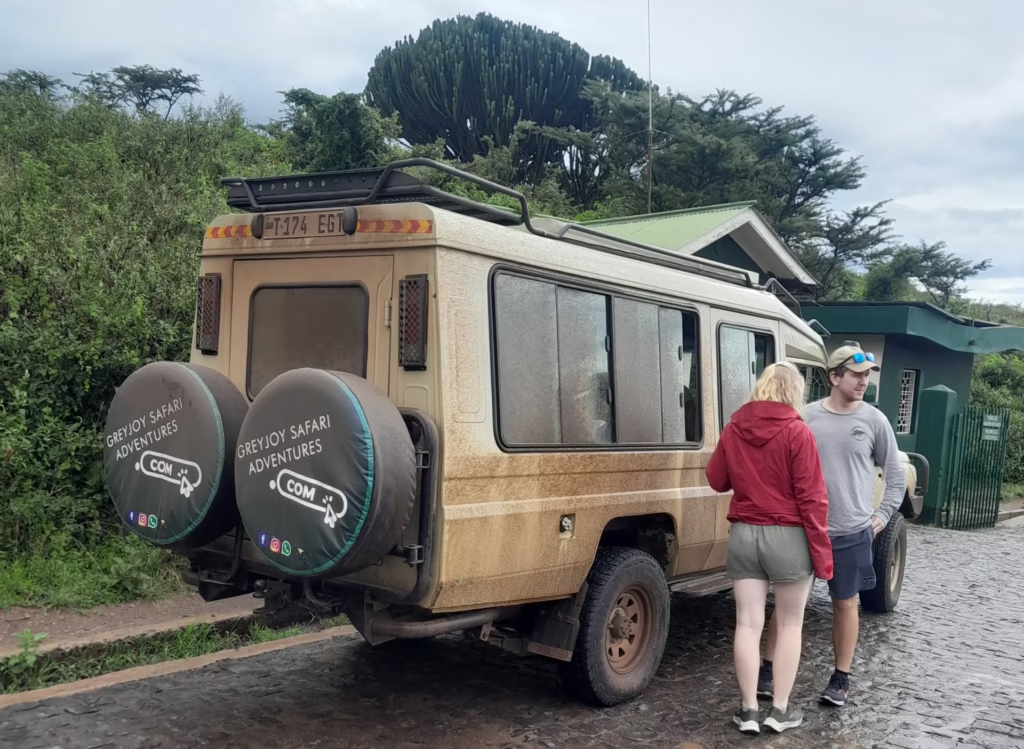
4.3 The “It’s Africa, It’s Hot” Misconception
One of the biggest surprises for first-time safari travelers is the temperature. Many assume Tanzania will be consistently hot—but safari days start before sunrise, often in open vehicles, with temperatures that can feel surprisingly cold. Early morning game drives can be chilly, especially in places like Ngorongoro or the Serengeti plains, where wind and altitude amplify the cold.
By midday, however, the temperature rises quickly, and the same environment can feel intensely warm under the sun. This sharp contrast catches many travelers off guard.
The solution is simple: layering. Light jackets, fleece, or a warm hoodie for the morning, paired with breathable clothing for the afternoon, make a huge difference in comfort. Without layers, you’ll either be freezing at sunrise or overheating by lunch.
4.4 What Guests Forget (and Regret Immediately)
It’s often the small, overlooked items that impact the safari experience the most. These are the things travelers almost always wish they had packed:
- Binoculars — Essential for spotting distant wildlife, especially predators resting far from the road. Without them, you miss details others can see.
- Dust protection — Roads can be dry and dusty, particularly in the dry season. A scarf, buff, or light face covering makes long drives far more comfortable.
- Quick-dry clothing — Safari laundry services are limited, and clothes can get dusty quickly. Fabrics that dry fast are practical and easy to manage.
These may seem minor, but they can significantly improve your daily experience in the bush.
4.5 Smart Packing Checklist (Quick Wins)
To avoid the most common Tanzania safari mistakes, keep your packing simple, practical, and safari-ready:
- Soft-sided duffel bag (max 15kg for bush flights)
- Neutral-colored clothing (khaki, beige, olive)
- Light jacket or fleece for early mornings
- Breathable, quick-dry clothing
- Comfortable closed shoes
- Binoculars for wildlife viewing
- Sunglasses and a hat for sun protection
- Scarf or buff for dust
- Camera with extra batteries
- Basic personal items (sunscreen, lip balm, insect repellent)
Pack smart, pack light—and your safari will feel effortless from the very first game drive. “Plan your safari the right way.”
5. When You Go Matters More Than You Think
Timing is one of the most misunderstood parts of planning a safari—and one of the biggest reasons travelers leave feeling they “missed something.” Tanzania offers incredible wildlife year-round, but what you see depends heavily on when you go. Without understanding the seasons, even a well-planned trip can fall short of expectations.
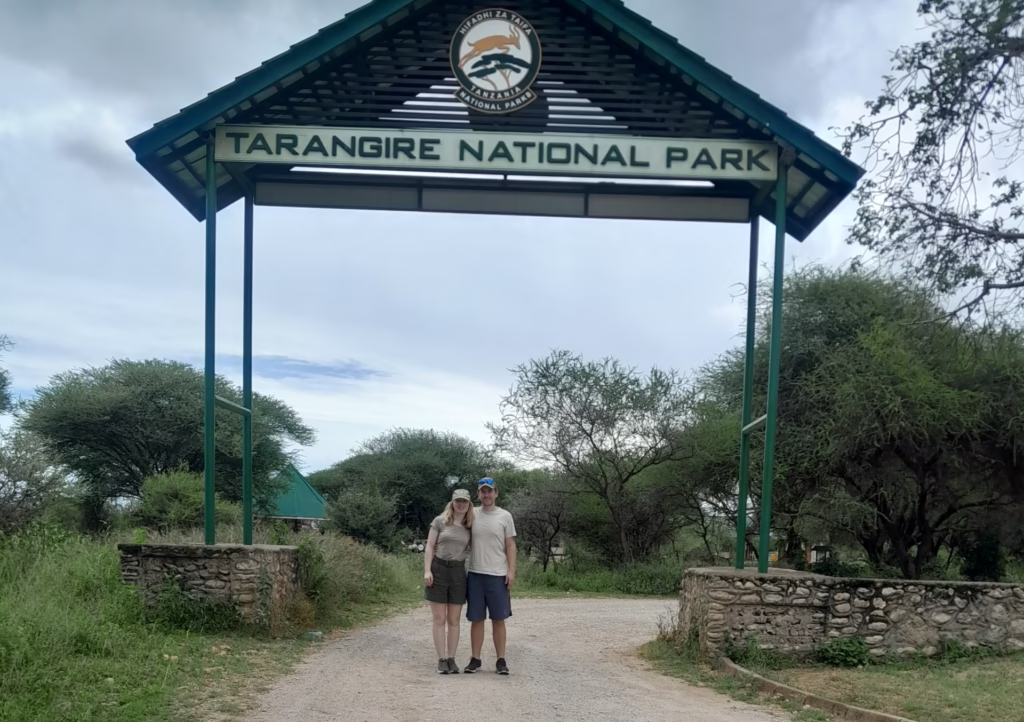
Tarangire National Park
5.1 The Migration Myth — Why Many Travelers Miss It
The Great Migration is often marketed as a single event—but in reality, it’s a continuous movement across the Serengeti ecosystem. Many travelers book their safari expecting dramatic river crossings, only to arrive at the wrong time or in the wrong location.
The famous Mara River crossings typically occur between June and October, but even within this window, sightings are never guaranteed. The herds move based on rainfall, grass availability, and instinct—not a fixed schedule. Some days, crossings happen repeatedly. Other days, nothing happens at all.
This unpredictability is part of the magic of safari—but it also means timing must be carefully aligned with your expectations. Simply booking “during migration season” is not enough.
5.2 Wet Season Vs Dry Season Confusion
Another common Tanzania safari mistake is assuming there is a “bad” or “good” time to visit. In reality, both seasons offer very different experiences—and choosing the wrong one for your expectations can lead to disappointment.
Dry season (June to October) is the most popular time for safari. Water sources are limited, so animals gather in predictable areas, making wildlife easier to spot. The vegetation is thinner, visibility is better, and the chances of seeing predators increase. However, this is also peak season—meaning higher prices and more vehicles in popular areas.
Wet season (November to May) transforms the landscape into lush green plains, with fewer tourists and often lower prices. It’s also the best time for birdwatching and calving season, especially in the southern Serengeti. However, wildlife can be more dispersed due to abundant water, making sightings less concentrated.
There is no wrong season—only the wrong expectations. Understanding this difference is key to avoiding disappointment and planning a safari that matches what you truly want to experience.
5.3 Rushing the Safari (The Biggest Itinerary Mistake)
In an effort to “see everything,” many first-time travelers try to pack too much into a short itinerary—and end up seeing less. Visiting multiple parks in just a few days may look exciting on paper, but in reality, it often means long hours on the road instead of meaningful time with wildlife.
Distances between parks in northern Tanzania are significant. What appears to be a short transfer can take half a day, especially on rough roads. Instead of enjoying relaxed game drives, travelers find themselves constantly moving—arriving late, leaving early, and missing the best wildlife moments.
A slower itinerary with fewer locations almost always delivers a better experience. More time in one park means deeper exploration, better sightings, and less fatigue.
5.4 Park-Specific Timing Mistakes
Another common Tanzania safari mistake is treating all parks the same. Each destination has its own seasonal patterns, and timing can dramatically affect what you see.
The Serengeti is vast, and wildlife distribution changes throughout the year depending on migration movements. Visiting the wrong region at the wrong time can mean missing large concentrations of animals.
The Ngorongoro Crater, on the other hand, offers high wildlife density year-round due to its enclosed ecosystem. However, it also becomes extremely busy during peak months, especially from July to September, when vehicle traffic can impact the experience.
Tarangire National Park is often underestimated, yet during the dry season, it becomes one of the best places to see large elephant herds as animals gather around the Tarangire River. In the wet season, wildlife disperses, and sightings become less predictable.
Understanding these differences is critical. The same itinerary can feel completely different depending on when you visit.
5.5 How to Choose the Right Time (Simple Framework)
Choosing the best time for your safari isn’t about picking a “perfect month”—it’s about aligning your expectations with reality. A simple way to decide is to prioritize what matters most to you:
- Wildlife priority — If you want the highest chance of seeing large numbers of animals and predator action, aim for the dry season.
- Budget sensitivity — If you’re looking for better rates and fewer crowds, the green season offers excellent value.
- Crowd tolerance — Peak months bring incredible sightings but also more vehicles. Shoulder seasons can offer a balance.
Once you define your priority, the right timing becomes clear. And that clarity helps you avoid one of the most common Tanzania safari mistakes—arriving with expectations that don’t match the season.
👉 Don’t Miss the Great Migration — Get It Right the First Time
Our 8-day safari is designed to place you exactly where the action is—no wrong timing, no missed moments.
✨ Expert guides, Perfect timing, Zero guesswork.✨
6. Hidden Costs That Shock First-Time Safari Travelers
One of the most common Tanzania safari mistakes isn’t choosing the wrong lodge or park—it’s misunderstanding the true cost of the trip. Many travelers focus on the headline price, only to realize later that several essential expenses were never included. These “hidden” costs can quietly add 40–60% to your budget if you’re not prepared.
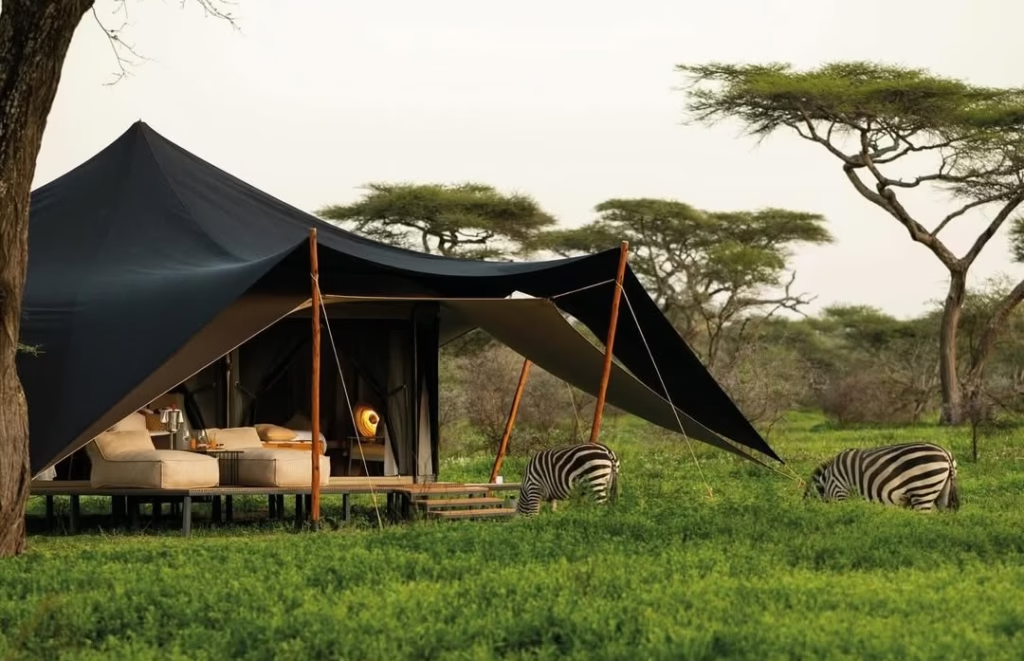
Luxury Accommodation
6.1 The Real Price of Park Fees
National park fees are one of the biggest additions to your safari cost—and they are non-negotiable. In Tanzania, these fees typically range from $35 to $70 per person, per day, depending on the park.
Premium destinations like the Serengeti and Ngorongoro Crater come with higher conservation fees, and in some cases, additional vehicle or crater service charges apply. Over a multi-day safari, these fees add up quickly and can significantly increase the total price of your trip.
Many travelers don’t realize these are separate from accommodation and transport costs until they see the final breakdown.
6.2 The Tip Culture Nobody Explains Properly
Tipping is an expected part of the safari experience, but it’s rarely explained clearly during the booking process. This often leads to confusion—or worse, awkward moments at the end of the trip.
A general guideline is to tip your guide $10–20 per day per group, depending on the level of service. In addition, lodge and camp staff (including chefs, waiters, and housekeeping teams) are usually tipped collectively through a tip box.
Another common challenge is payment. Tips are typically given in cash, often in US dollars, and remote safari areas rarely have access to ATMs. Travelers who don’t prepare for this find themselves scrambling at the end of the safari.
All Inclusive Safari
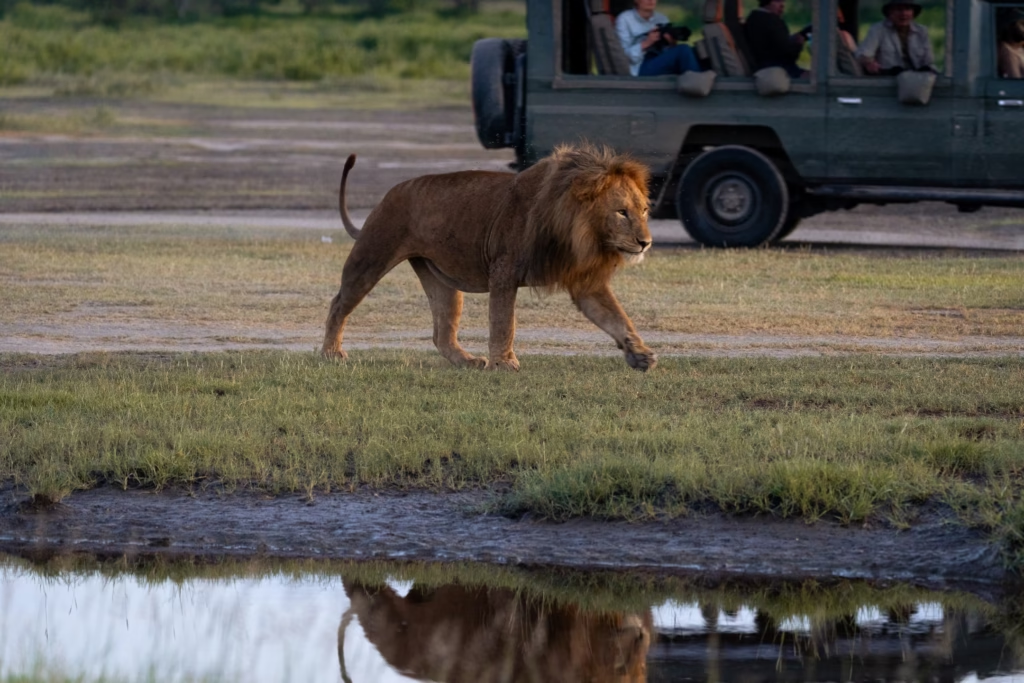
8-Day Big 5, Migration & Culture Experience
Blends the very best of wildlife and culture into one seamless journey .
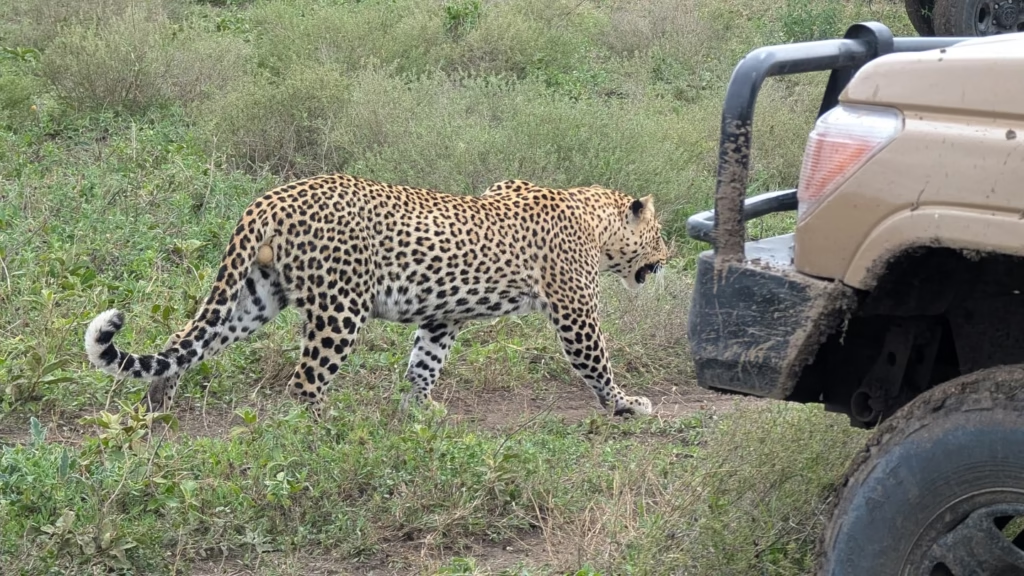
9-DAY SAFARI AND BEACH RETREAT
Safari and beach getaway, visit to Tarangire National Park, the breathtaking Ngorongoro Crater and venture into the legendary Serengeti National Park,
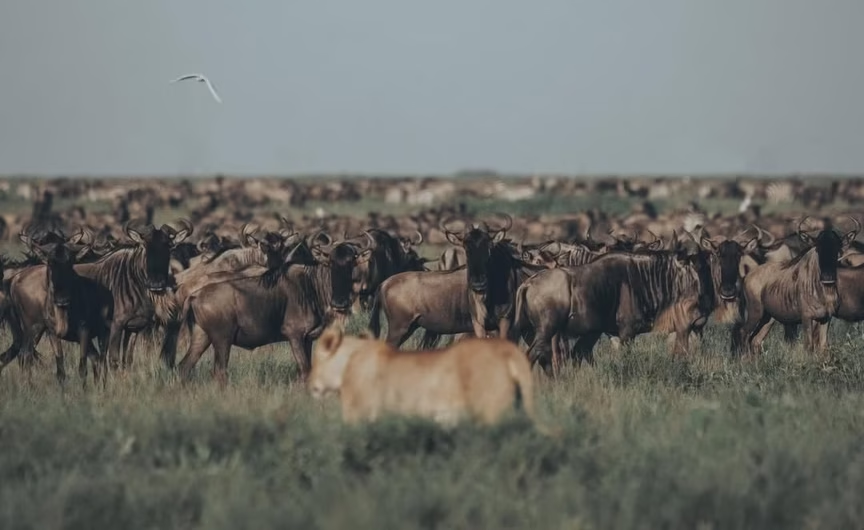
8-DAY GREAT MIGRATION SAFARI
You’ll spend four incredible days in the vast Serengeti, home to the breathtaking Great Migration
7-DAY ALL-INCLUSIVE LUXURY FAMILY SAFARI
luxury family safari is thoughtfully designed to combine exceptional wildlife experiences with comfort, safety, and engaging activities for all ages.
6.3 “All Inclusive” Isn’t Really All Inclusive
The term “all inclusive” can be misleading on safari. While your package may cover accommodation, meals, and game drives, several extras are often excluded—and these can add up quickly.
Items commonly not included are:
- Drinks (alcoholic and sometimes soft drinks)
- WiFi at camps and lodges
- Optional activities such as balloon safaris
- Cultural visits, including Maasai village experiences
These additional experiences can enhance your safari, but they come at an extra cost. Without proper planning, many travelers exceed their intended budget without realizing why.
Understanding what is—and isn’t—included is essential to avoid financial surprises and plan your safari with confidence. “Get expert safari planning”
6.4 Domestic Flights & Transfers Add Up Fast
Getting around Tanzania’s vast safari landscape isn’t always simple—or cheap. Many itineraries require domestic bush flights or long overland transfers, and these costs are often not fully understood at the planning stage.
A single domestic flight can range from $100 to $250 per person, per leg, depending on the route and season. If your itinerary includes multiple parks or fly-in options, these costs can quickly multiply.
Even road transfers, while sometimes included, come with hidden trade-offs—long travel hours, fuel costs, and reduced game-viewing time. What looks like a cheaper option can actually cost you valuable safari experience?
Best Tanzania National Park for First Time Safari Travelers?
Which is the Best Tanzania National Park for First Time Safari Travelers? You’ve dreamed about Africa for years—the golden light...
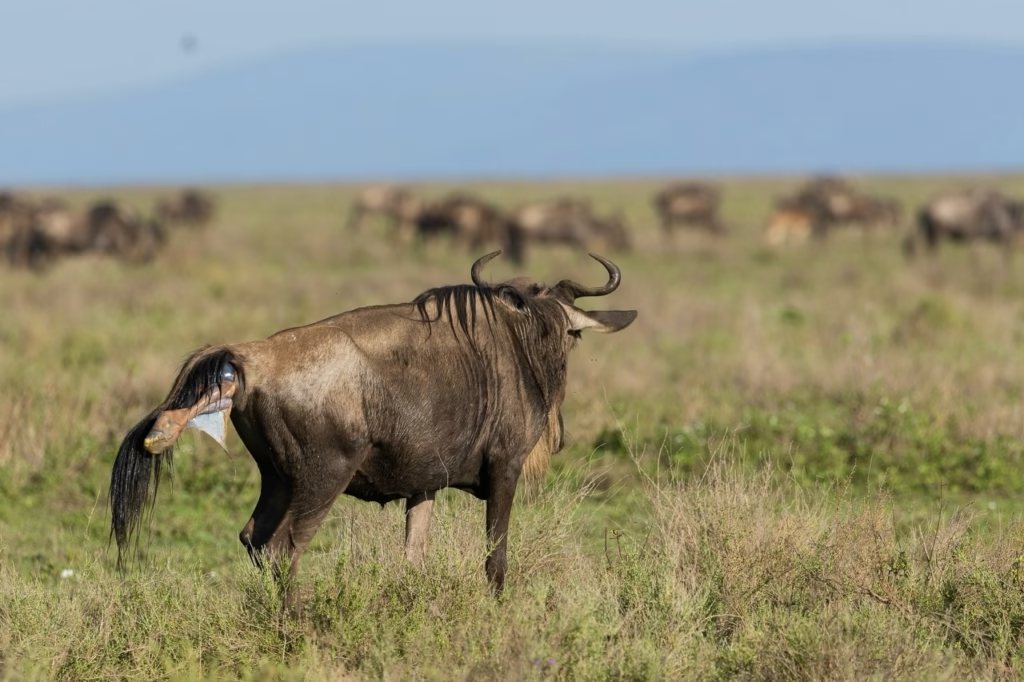
Why February Is One of the Best Month for a Tanzania Safari.
Discover why February is one of the best months for a Tanzania safari—experience the Great Migration calving season, fewer crowds,...
Is a 5-Day Tanzania Safari Enough or a Mistake?
Is a 5-day Tanzania safari enough? Honest insight on wildlife, pace, fatigue, and who it truly suits.
How to Plan a Tanzania Safari: Step-by-Step Guide for First Timers?
How to plan a Tanzania safari the right way—learn about seasons, top parks, safari costs, itineraries, and local operator insights.
6.5 Why Cheap Safaris Often Cost More in Experience
A lower price can be appealing—but in safari, cheaper often means compromise. And those compromises directly affect your experience in the field.
Budget safaris commonly include shared vehicles, where 6–7 travelers are grouped together. This limits space, reduces your window access, and restricts flexibility during game drives. You’re no longer in control of how long you stay at a sighting or where you go next.
Accommodation is another key factor. Lower-cost packages often use basic camps or lodges with fewer amenities, less strategic locations, and sometimes longer distances from wildlife-rich areas. This can reduce both comfort and time spent on game drives.
In many cases, what you save in money, you lose in quality, comfort, and wildlife access.
6.6 Realistic Safari Budget Breakdown
To avoid surprises, it’s important to understand what a realistic Tanzania safari actually costs. While prices vary depending on comfort level and season, here’s a general daily estimate per person:
- Budget safari: $200 – $350 per day
- Mid-range safari: $350 – $600 per day
- Luxury safari: $600 – $1,200+ per day
These ranges typically include accommodation, meals, a safari vehicle, and a guide—but may exclude park fees, flights, tips, and optional activities.
Planning with a full-picture budget helps you avoid one of the most common Tanzania safari mistakes—thinking you’re fully covered, only to discover unexpected costs along the way.
👉 No Hidden Costs. No Surprises. Just a Perfect Safari.
Our 8-Day Big 5 & Migration Focus Safari is built with clear pricing and expert planning from start to finish.
✨ Expert guides, Perfect timing, Zero guesswork.✨
7. The Biggest Safari Mistake: Choosing the Wrong Operator
You can visit the right parks, travel in the right season, and stay in beautiful lodges—but if you choose the wrong operator, your entire safari experience can fall short. More than any other factor, the quality of your guide and vehicle setup determines what you see, how you experience it, and how memorable your safari becomes.
7.1 Not All Guides Are Equal
Many travelers assume that all safari guides offer the same experience—but the difference between an average driver and a highly skilled guide is enormous.
An experienced guide is not just someone who drives from point A to B. They understand animal behavior, track wildlife through subtle signs, communicate with other guides, and position the vehicle for the best possible viewing. They know where to go, when to wait, and when to move on.
In contrast, less experienced drivers may simply follow other vehicles or rely on luck, resulting in fewer sightings and a less engaging experience. The difference isn’t just knowledge—it’s instinct, patience, and years of field experience.
On safari, your guide is your eyes. Choosing the right one can transform your entire journey.
7.2 Shared vs Private Safari Vehicles (Critical Decision)
One of the most overlooked Tanzania safari mistakes is choosing the wrong vehicle setup. Many travelers focus on price, not realizing how much this decision impacts their daily experience.
In shared safari vehicles, you’ll typically be with 6–7 people, often strangers. This limits your space, reduces access to the best viewing angles, and restricts flexibility. You may have to rotate seats, wait for others, or move on from sightings before you’re ready.
For photographers, this can be especially frustrating—missed angles, blocked views, and limited positioning can mean missing the perfect shot.
A private safari vehicle, on the other hand, offers full control. You decide how long to stay at a sighting, where to go, and how to structure your day. It provides more comfort, better visibility, and a more personalized experience—but at a higher cost (typically $250–400 per day for the vehicle).✨
In the end, it’s a trade-off between cost and experience. But on a once-in-a-lifetime safari, this decision often defines how much you truly enjoy it.
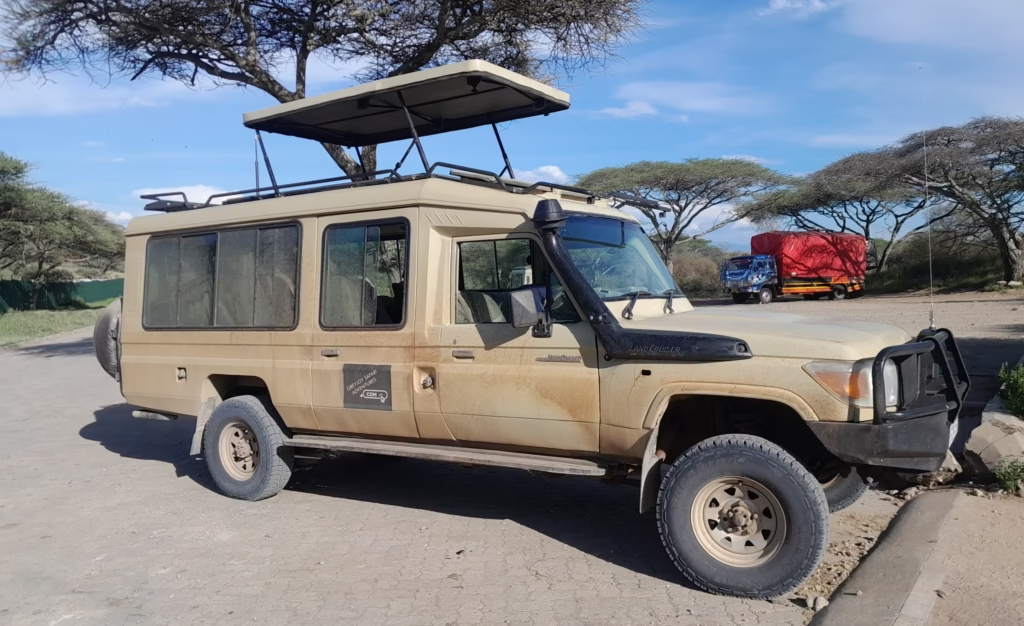
Safari Vehicle
7.3 The “National Geographic” Expectation Problem
Many first-time safari travelers arrive with images shaped by documentaries—lions chasing prey across open plains, vehicles following closely behind, and dramatic encounters unfolding on demand. The reality is very different.
In many Tanzanian national parks, off-road driving is strictly prohibited to protect the ecosystem. Guides must stay on designated tracks, which means you can’t simply drive off in pursuit of wildlife. If animals move away from the road, you observe from a distance—patiently, respectfully.
Wildlife sightings are also never guaranteed. This is not a controlled environment. Animals roam freely, and some days are quieter than others. Even the most experienced guide cannot promise specific sightings, only increase your chances through skill and knowledge.
Understanding this is essential. A safari is about immersion in nature—not scripted action. And often, the most memorable moments come when you least expect them.
7.4 Why Your Guide Determines Your Entire Experience
On safari, everything comes down to one person: your guide. They are not just your driver—they are your tracker, interpreter, and connection to the wild.
An average safari might involve following other vehicles, stopping briefly at sightings, and moving on without much context. You’ll see animals—but you may not fully understand what you’re witnessing.
An exceptional safari, however, is shaped by a skilled guide who reads the landscape, anticipates animal movement, and explains behaviors in a way that brings every sighting to life. They position the vehicle for the best angle, give you time to observe, and turn each encounter into a story.
The difference is not just in what you see—but in how deeply you experience it. And that difference is entirely defined by your guide.
👉 Turn Your Safari Into a Once-in-a-Lifetime Experience
Private vehicle, expert guide, and carefully planned routes across Serengeti, Ngorongoro, and beyond.
✨ Expert guides, Perfect timing, Zero guesswork.✨
8. Insights From Real Travelers — Lessons Learned the Hard Way
Behind every great safari story, there are often a few quiet regrets—things travelers wish they had known before arriving. Looking across recent traveler experiences and safari reports, the same patterns appear again and again. The most common Tanzania safari mistakes are rarely about the destination—they’re about preparation, expectations, and small decisions that shape the entire journey.
Many travelers underestimate logistics. From strict luggage limits on bush flights to long transfer times between parks, these details often come as a surprise. Others arrive expecting constant wildlife action, only to realize that safari is about patience, timing, and being in the right place at the right moment.
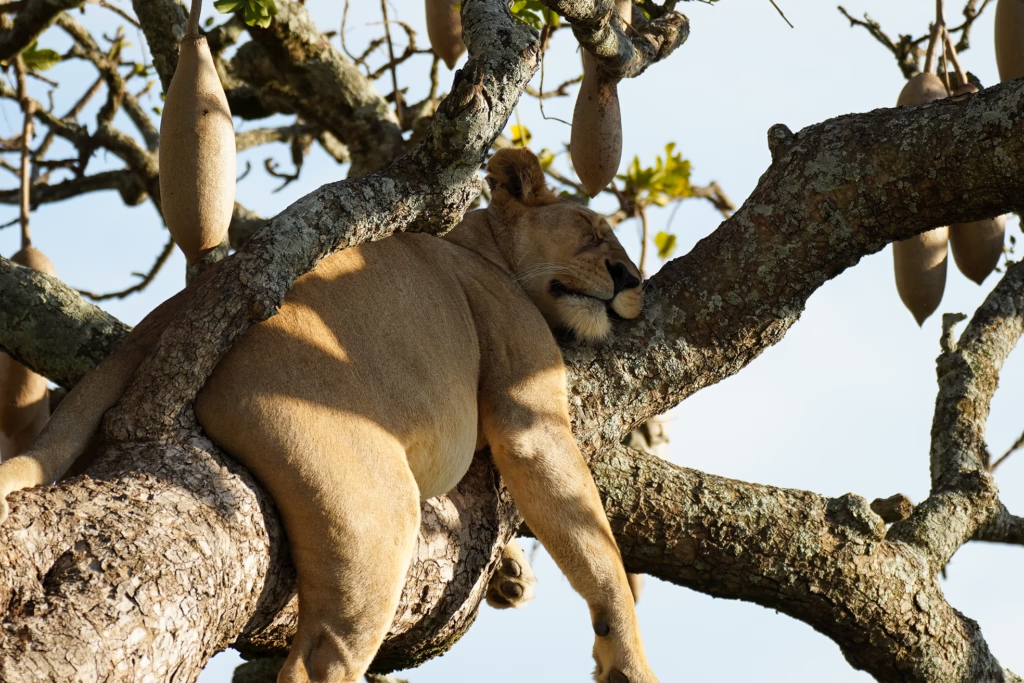
Cost is another recurring theme. What looks like an “all-inclusive” safari often expands with park fees, tips, flights, and optional experiences—turning a well-planned budget into a stressful end-of-trip calculation.
As one traveler insight puts it: “We thought we had paid for everything, but the extra costs at the end were more than we expected.”
Another common reflection highlights packing mistakes: “I brought the wrong suitcase and had to repack at the airstrip—it was the most stressful start to our safari.”
And perhaps the most important lesson comes from experience in the field: “Our guide made all the difference. When we switched vehicles for a day, the experience felt completely different.”
These insights reinforce a simple truth—a Tanzania safari is not just about where you go, but how well you prepare for it. Understanding these lessons in advance is the key to avoiding disappointment and turning your safari into a truly unforgettable experience.
9. How to Avoid These Tanzania Safari Mistakes (Step-by-Step Plan)
Avoiding common Tanzania safari mistakes doesn’t require experience—just the right approach. A few smart decisions before you travel can completely transform your safari from average to exceptional. Use this simple checklist to plan with confidence:
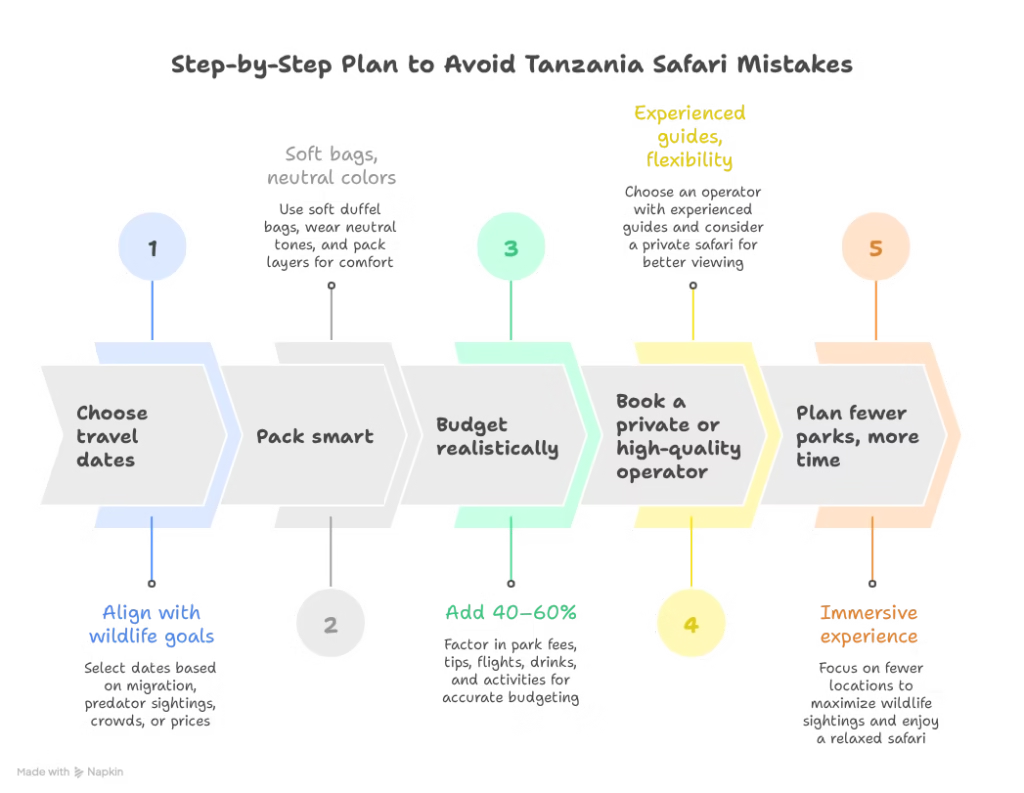
Follow this plan, and you won’t just avoid Tanzania safari mistakes—you’ll create a safari experience that feels seamless, rewarding, and unforgettable from start to finish.
👉 You’ve Seen the Mistakes — Now Plan It the Right Way
Let our team design your Customized, Wildebeest Migration & Cultural Safari based on your exact travel goals.
✨ Expert guides, Perfect timing, Zero guesswork.✨
10. Frequently Asked Questions About Tanzania Safari Mistakes
What is the biggest mistake on a Tanzania safari?
The biggest mistake is planning without understanding how safari actually works—especially timing, logistics, and costs. Many travelers expect guaranteed wildlife, underestimate distances, or choose the cheapest option without considering guide quality. These decisions often lead to missed sightings, rushed itineraries, and unexpected expenses.
When is the best time to go on safari in Tanzania?
There is no single “best” time—it depends on your goals. The dry season (June–October) is ideal for wildlife viewing and the Great Migration river crossings. The green season (November–May) offers fewer crowds, lower prices, and beautiful landscapes, but wildlife can be more spread out. The key is choosing the right time based on what you want to experience.
How much should I budget for a safari?
A realistic budget depends on your level of comfort, but general ranges are:
- Budget safari: $200–$350 per person per day
- Mid-range safari: $350–$600 per person per day
- Luxury safari: $600–$1,200+ per person per day
You should also plan an additional 40–60% for park fees, tips, flights, and extras, which are often not included in base prices.
What should I not pack for safari?
Avoid bringing:
- Hard-shell suitcases (not allowed on many bush flights)
- Bright or flashy clothing (can disturb wildlife)
- Heavy, non-breathable fabrics
- Too many items (space and weight are limited)
Instead, pack light, use a soft duffel bag, and focus on practical, neutral-colored clothing suitable for changing temperatures.
11. Conclusion
A Tanzania safari is not just another holiday—it’s a once-in-a-lifetime journey into one of the last truly wild places on Earth. The landscapes are vast, the wildlife is unpredictable, and the moments you experience can stay with you forever. But the difference between an average safari and an unforgettable one often comes down to what you know before you go.
The most common Tanzania safari mistakes aren’t made in the bush—they’re made in the planning. Packing smart, choosing the right time, understanding the real costs, and selecting the right guide can transform your entire experience. With the right preparation, every game drive becomes more meaningful, every sighting more rewarding, and every day more enjoyable.
When you plan your safari with clarity and intention, you don’t just avoid mistakes—you unlock the true magic of Tanzania. And that’s when your safari becomes more than a trip… it becomes a story you’ll carry for the rest of your life.
👉 2026 Safari Dates Are Filling Fast
Secure your spot for the Big 5, Wildebeest Migration & Cultural Tanzania Safari before peak season sells out.
✨ Expert guides, Perfect timing, Zero guesswork.✨