
Ndutu Calving Season: What to Expect in February 2026
In February, Ndutu doesn’t whisper—it beats. The plains glow electric green after the short rains, thousands of wildebeest calves stumble into life each day, and predators move with intent through the grass, knowing opportunity is measured in minutes, not days.
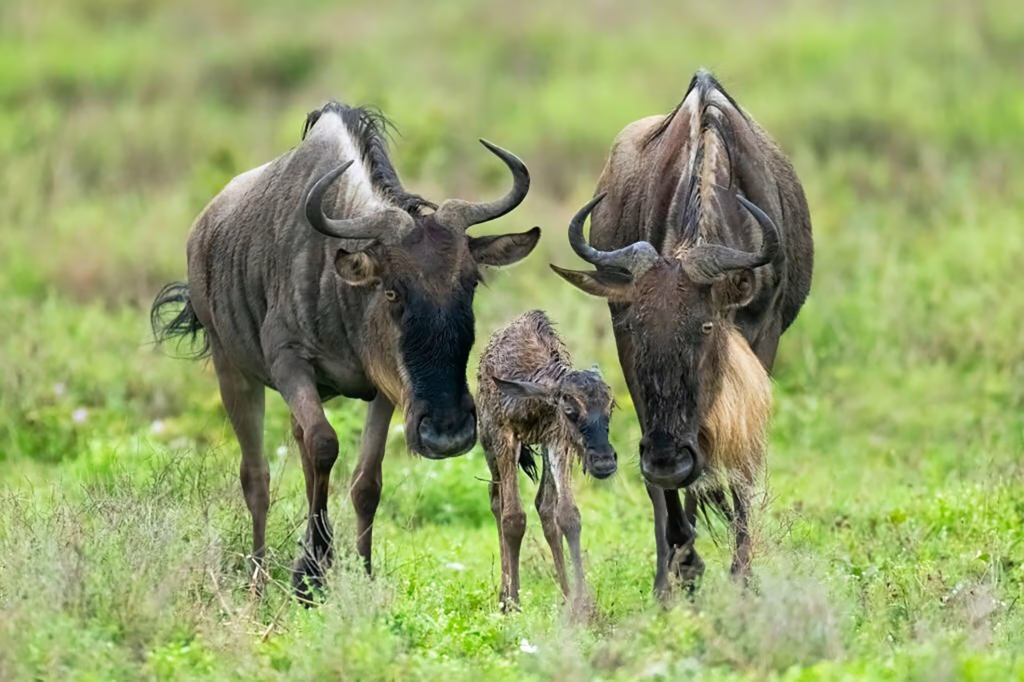
This is the calving season at full throttle: raw, fertile, and unscripted. February 2026 promises one of Africa’s most concentrated wildlife spectacles—mass births, near-constant predator pressure, and dramatic dawn-to-dusk encounters—but it also comes with trade-offs. Expect variable weather, muddy tracks, emotionally confronting scenes, and crowds clustering around peak action zones. This is not a polished safari fantasy; it’s nature at maximum output, rewarding those who arrive informed, flexible, and ready for reality as much as wonder.
1. Why February 2026 Is the Calving Sweet Spot
February sits at the very heart of the calving cycle, when the Great Migration slows, clusters, and delivers its most intense biological moment. From mid-January through late February, wildebeest births peak—often numbering in the thousands per day—as synchronized calving overwhelms predators through sheer volume. By February, the process is fully underway: calves are dropping daily, herds are tightly packed, and predator activity reaches its most reliable rhythm. This is the window where probability works in your favor—not just for witnessing births, but for seeing the entire ecosystem respond to them.
The timing is no accident. Short rains from November and December rejuvenate the Ndutu plains, triggering the growth of calcium- and mineral-rich grasses essential for lactating mothers and fast-growing calves. The result is a landscape transformed—lush, open, and vividly green—where visibility actually improves despite the height of the grass. Unlike the dusty dry season, animals stand out sharply against the plains, and action unfolds in broad daylight rather than disappearing into haze. Added to this, February sees fewer visitors than the peak river-crossing months later in the year, offering more breathing room on game drives and less competition for positioning during key sightings.
That said, February’s perfection comes with conditions. Rainfall is never guaranteed on schedule—delayed or extended showers can push peak calving into early March, scatter herds, or turn tracks slick and demanding. Mud can slow drives, off-road routes may become impassable, and plans sometimes need adjusting on the fly. This is the honest trade-off: February 2026 offers the highest reward potential of the calving season, but only for travelers who understand that nature—not the calendar—has the final say.
2. What the Calving Season Actually Looks Like (Day by Day)
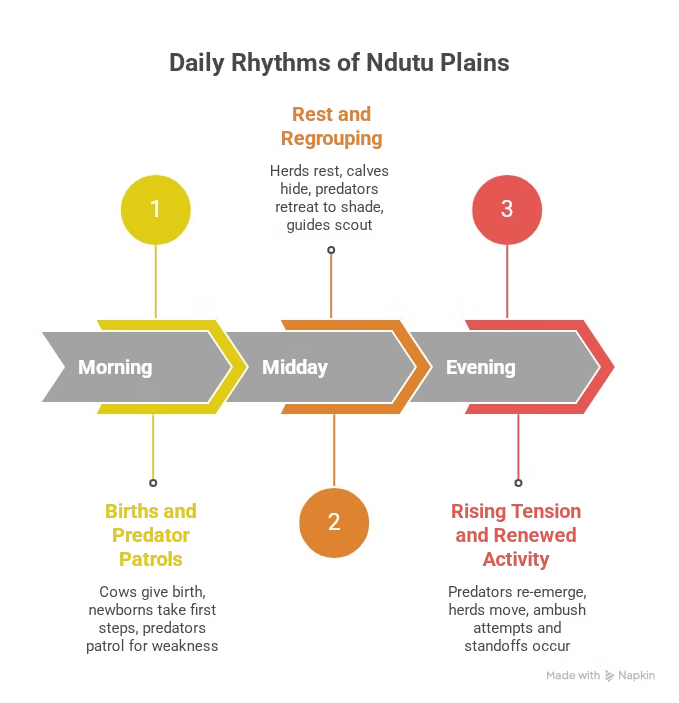
Herd Dynamics: How Calves Beat the Odds
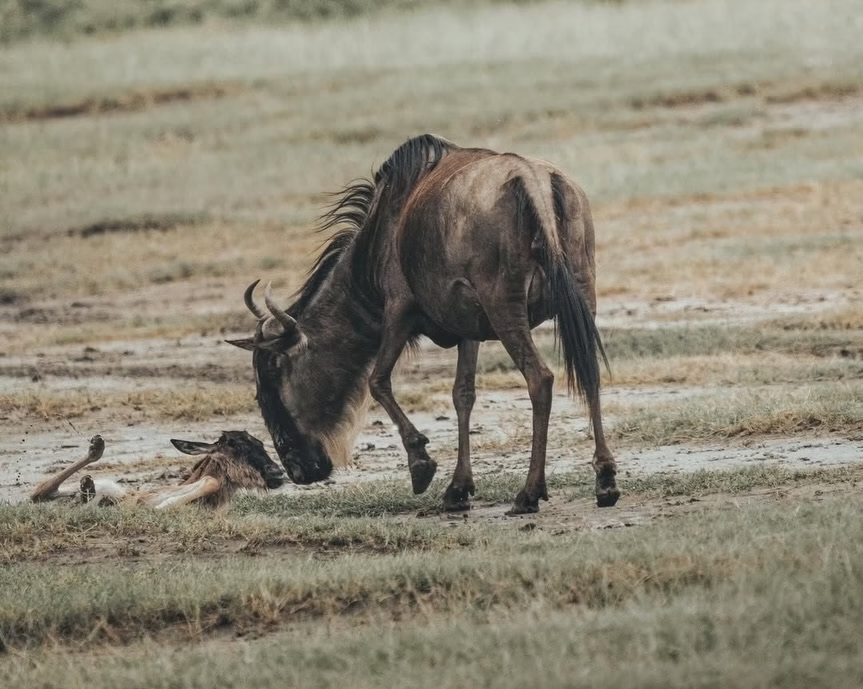
Despite the constant danger, most calves survive—and that is by design. Synchronized birthing floods predators with more opportunities than they can realistically exploit. Calves are programmed to stand and run within minutes, mothers form moving shields, and the herd’s density confuses attackers. It’s a strategy refined over millennia: overwhelm, protect, and move. Witnessing this day after day reveals the calving season not as chaos, but as a finely tuned system where survival is collective, not individual.
3. Predator Action: Raw, Frequent, and Unfiltered
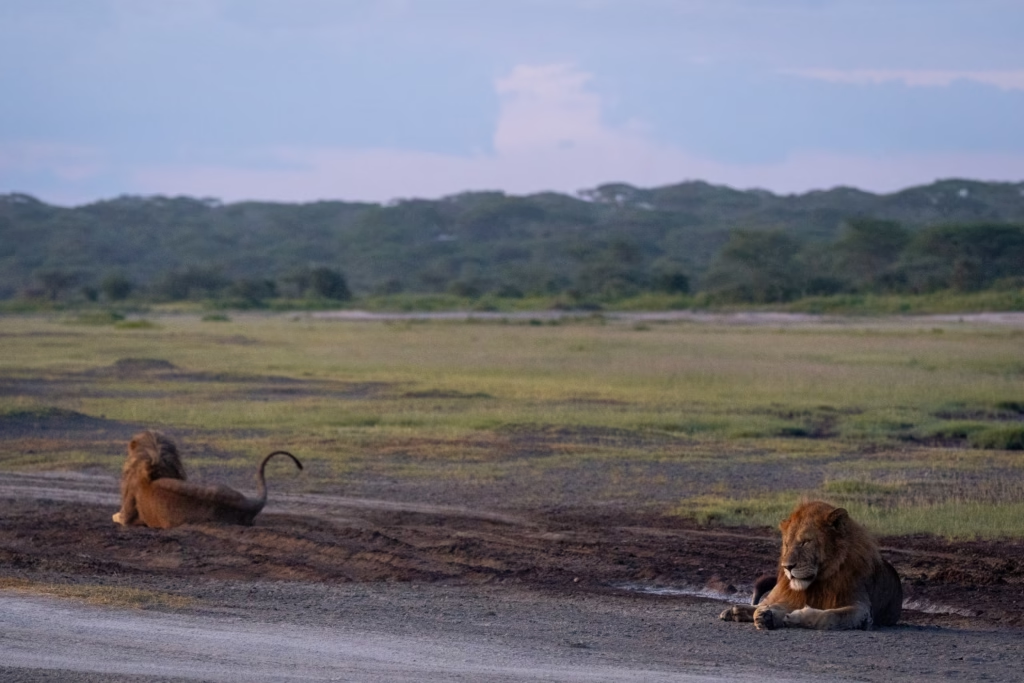
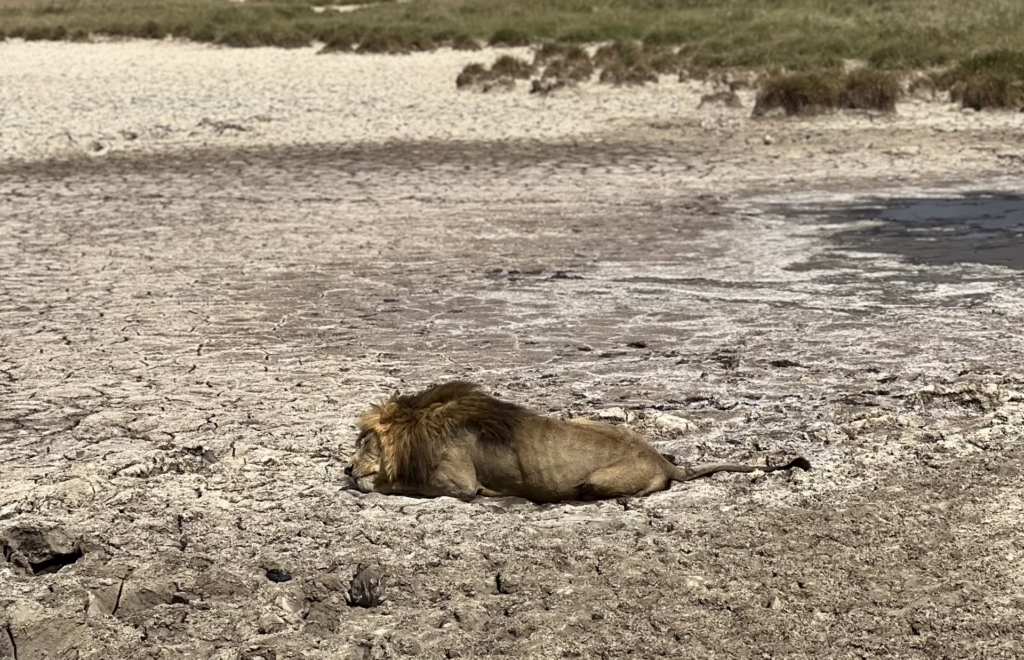
Ndutu hosts one of the highest predator concentrations on the continent during calving season, and February is when that density translates into daily, visible action. Lions dominate the plains and kopjes, using strength and numbers to test the herds. Cheetahs patrol open ground, relying on speed and daylight visibility. Hyenas work relentlessly at the margins, while jackals specialize in opportunistic strikes on the very young. With thousands of calves arriving in a compressed window, predators don’t need to roam for—food, in its most vulnerable form, comes to them.
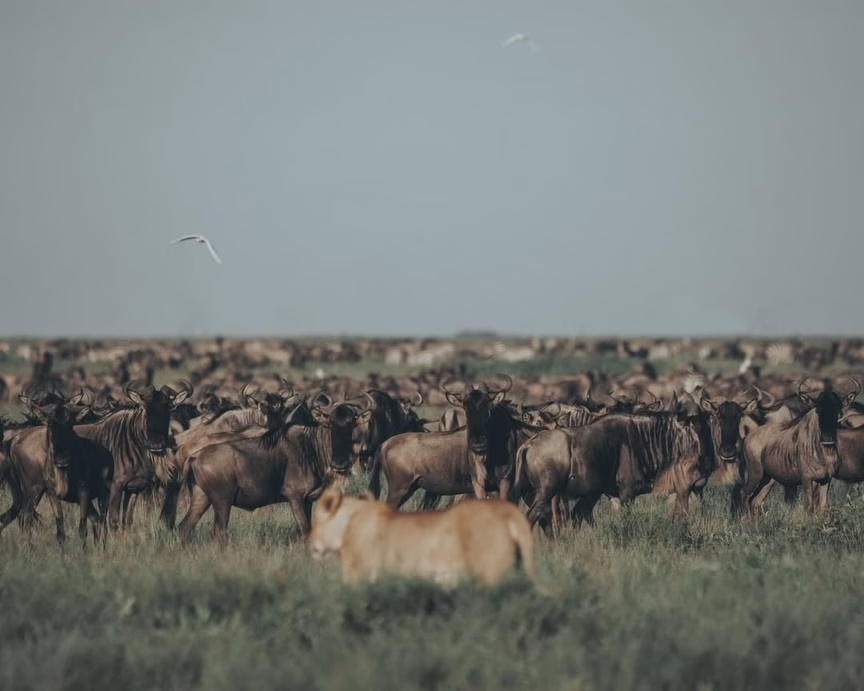
Ndutu Calving season Predator Action
Newborn calves are at greatest risk in their first hours of life. Before their legs fully cooperate and before they sync with the herd’s movement, they represent a narrow window of opportunity predators are finely tuned to exploit. This is why early mornings are so charged: a calf born at dawn must stand, move, and blend in quickly or risk immediate attention. Even then, herd density and maternal defense mean many attempts fail—but the attempts themselves are frequent, fast, and often dramatic.
The most consistent action unfolds across open plains, around rocky kopjes, and along lake edges—particularly near Lake Masek—where visibility is high and predator movement is easier to track. Kopjes provide ambush points for lions, plains favor cheetahs, and water sources draw both herds and hunters into close proximity. These zones concentrate tension and reward patient positioning rather than constant driving.
Suggested Ndutu Itinerary
3-DAY TANZANIA NORTHERN PARK: NGORONGORO & SERENGETI
Unforgettable journey through the best of Tanzania’s northern parks – the southern Serengeti and the breathtaking Ngorongoro Conservation Area.
6-DAY NDUTU CALVING SEASON SAFARI (JANUARY – MARCH)
During this time, thousands of newborns are born on the lush short-grass plains, attracting a high concentration of predators like lions, cheetahs, and hyenas—making for thrilling game viewing opportunities.
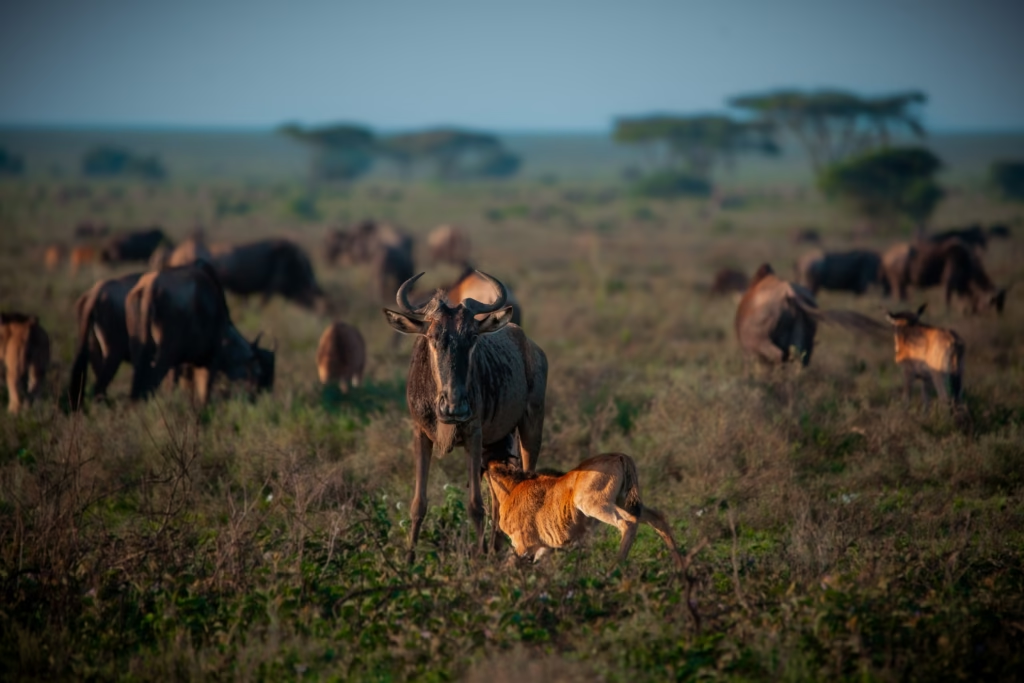
8-DAY NDUTU CALVING SEASON SAFARI
This itinerary, we’ll take you to the Ndutu region in the southern Serengeti, a prime location during the calving season. It’s here that over 500,000 wildebeest are born each year — a truly spectacular sight that attracts predators and photographers.
Timing matters. Dawn and dusk deliver the highest intensity, when predators hunt actively and light conditions amplify drama. Midday brings a noticeable lull as heat slows movement and animals rest, making sightings more observational than explosive. Understanding this rhythm helps set realistic expectations and avoids chasing action when nature has pressed pause.
An honest caveat: this is not gentle wildlife viewing. Kills can be graphic, repeated exposure can be emotionally taxing, and not every traveler is comfortable witnessing predation up close. Outcomes also hinge heavily on guide skill—reading behavior, positioning ethically, and knowing when to wait rather than rush. February in Ndutu offers unfiltered reality, not curated moments, and that honesty is precisely what defines its power.
4. Photography in Ndutu: How to Capture February Right
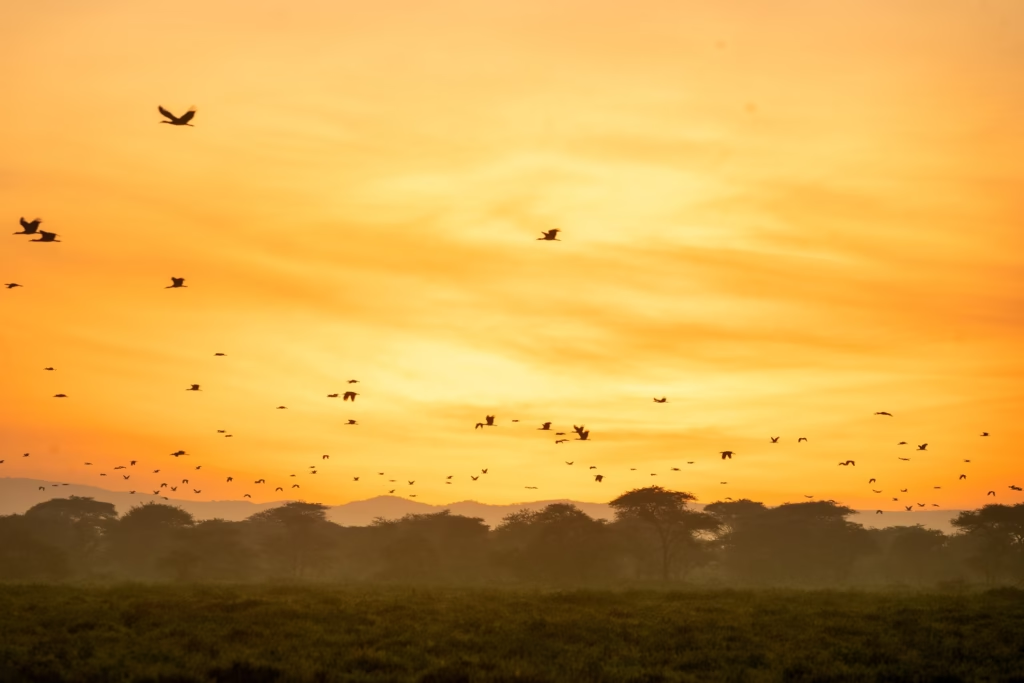
February in Ndutu is a photographer’s paradox: abundance everywhere, perfection only at certain moments. The light windows that matter most are narrow but powerful. Sunrise, roughly from 06:00 to 09:00, delivers soft gold tones, long shadows, and the highest probability of births and predator movement. Sunset, from about 15:30 to 18:30, brings drama—backlit chases, dust glowing in low light, silhouettes that turn action into story. Outside these windows, light flattens quickly, and timing becomes as important as technical skill.
Capturing February well means knowing when to shoot for action and when to slow down for storytelling. Fast-paced moments—chases, takedowns, calves sprinting—demand high shutter speeds and decisive framing. But the season’s most compelling images often live between the chaos: a mother nudging a newborn to stand, a cheetah scanning the plains, a dense horizon of wildebeest against stormy skies. Balancing these two approaches separates a collection of sightings from a coherent visual narrative.
Ndutu Calving season – Photography in Ndutu
Certain zones consistently deliver stronger compositions. The open Ndutu Plains favor clean backgrounds and speed-driven predator shots. Gol Kopjes add texture, scale, and natural frames for lions and standoffs. Lake edges—especially around Lake Masekasek, “Ndutu region, Tanzania”—offer reflections, layered scenes, and predator-prey interactions compressed into tight visual spaces. These areas reward patience, low angles, and anticipation rather than constant repositioning.
Midday is the hardest stretch. Harsh light washes out color and contrast, and action slows. This is when strategy replaces instinct: scout shaded areas, focus on detail shots, experiment with silhouettes, or plan afternoon positioning instead of chasing images that won’t translate well. Some of the strongest sunset sequences are earned during these quiet, preparatory hours.
Gear faces real challenges in February. Dust hangs in dry spells, sudden showers bring moisture and mud, and constant vehicle movement tests stability and focus. Weather sealing, lens cloths, rain covers, and disciplined lens changes are essential. Mobility matters too—being ready to react without fumbling often makes the difference between a missed moment and a defining shot.
Finally, fewer vehicles can dramatically improve results. Compared to peak Serengeti months, February’s lighter traffic allows better angles, cleaner backgrounds, and more time to wait for behavior to unfold naturally. Space equals patience, and patience is the currency of exceptional wildlife photography in Ndutu.
Planning a Trip to Tanzania?
Our team is always here to help
Please let us know if you have any questions.
5. Where to Stay: Best Camps for the 2026 Calving Season
Ndutu’s calving season runs on mobility and timing, and so do its camps. Most operate seasonally, positioning themselves close to where the herds are expected to be rather than where comfort is guaranteed. Booking early is essential—February fills fast—and guests should arrive prepared for true bush conditions: dust, night sounds, limited power, and wildlife moving freely through camp. The reward is proximity. Where you sleep often determines what you see at dawn.
Below is a camp-by-camp breakdown focused on what actually matters during calving season: location, realism of comfort, wildlife presence, and who each camp suits best.
Camp | Pros | Cons | Guest Notes |
Lemala Ndutu Tented Camp | Mobile camp tracking migration; spacious tents, excellent food, strong guiding support | Seasonal only (Dec–Mar); simple plumbing | “Best bush camp—giraffes at tents, lions heard nightly” |
Ndutu Safari Lodge | Permanent base with lake views; solid en-suite cottages; reliable logistics | Can feel busier; wildlife density varies by year | “Nice contrast to camping, great birds and elephants” |
Ndutu Wilderness Camp | Deep forest immersion; outstanding food; intimate, well-run | Very basic setup; limited resources | “Tight ship run by manager—plenty of predators” |
Heritage Ndutu Camp | Excellent herd-following position during calving | Seasonal tents only; minimal amenities | “Magical wildebeest arrivals right from camp” |
Tanzania Bush Camp Ndutu | High comfort for a seasonal camp; hot showers; strong safety presence | Remote feel; intense night sounds | “Favorite—clean, safe, Masai guards at night” |
In simple terms: mobile camps win on location, permanent lodges win on predictability. Camps closest to the plains deliver the earliest starts and most consistent sightings, but come with dust, noise, and a sense of exposure. More established lodges offer respite—but may trade immediacy for comfort. Choosing the right camp is less about stars and more about alignment with your tolerance for wilderness, sound, and unpredictability.
6. Weather, Roads & Crowd Reality in February
February in Ndutu lives under the influence of the short rains, and “variable” is the most honest way to describe them. Some days pass under clear skies with nothing more than soft cloud cover; others bring sudden showers that roll in quickly and disappear just as fast. Rain rarely lasts all day, but its timing is unpredictable, and even light rainfall can dramatically change driving conditions. This variability is what keeps the plains green—and what keeps plans flexible.
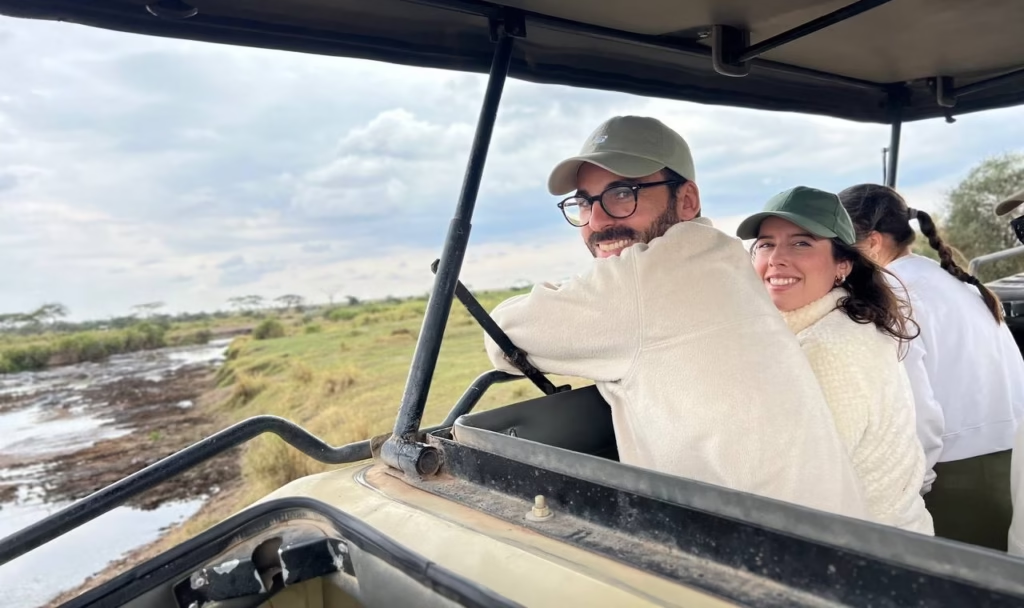
When rain hits, the ground responds immediately. Black cotton soil turns slick, tracks become rutted, and off-road driving—often essential during calving season—demands patience and skill. Long game drives can be physically tiring, with constant bumps, slow navigation, and occasional detours when routes become impassable. February safaris reward resilience: this is not smooth, fast travel, but deliberate movement through a working ecosystem.
weather in Ndutu
Crowds in February are lighter than during peak Serengeti river-crossing months, but they do concentrate sharply at known hotspots. When a cheetah hunt unfolds or a lion pride targets a newborn, vehicles can gather quickly—especially around open plains and lake edges. The key difference is duration: crowds tend to arrive fast and disperse just as quickly, rather than lingering all day. Knowing when to stay and when to move on makes all the difference.
This is where expert guides become the defining factor of the experience. Skilled guides read weather patterns, anticipate herd movement, choose alternative routes when tracks fail, and position vehicles ethically before action erupts. They understand when patience will outperform pursuit and when to leave a crowded sighting to find the next unfolding story. In February, knowledge isn’t a luxury—it’s the difference between frustration and front-row access to Ndutu at its wildest.
Suggested Safari Planning articles
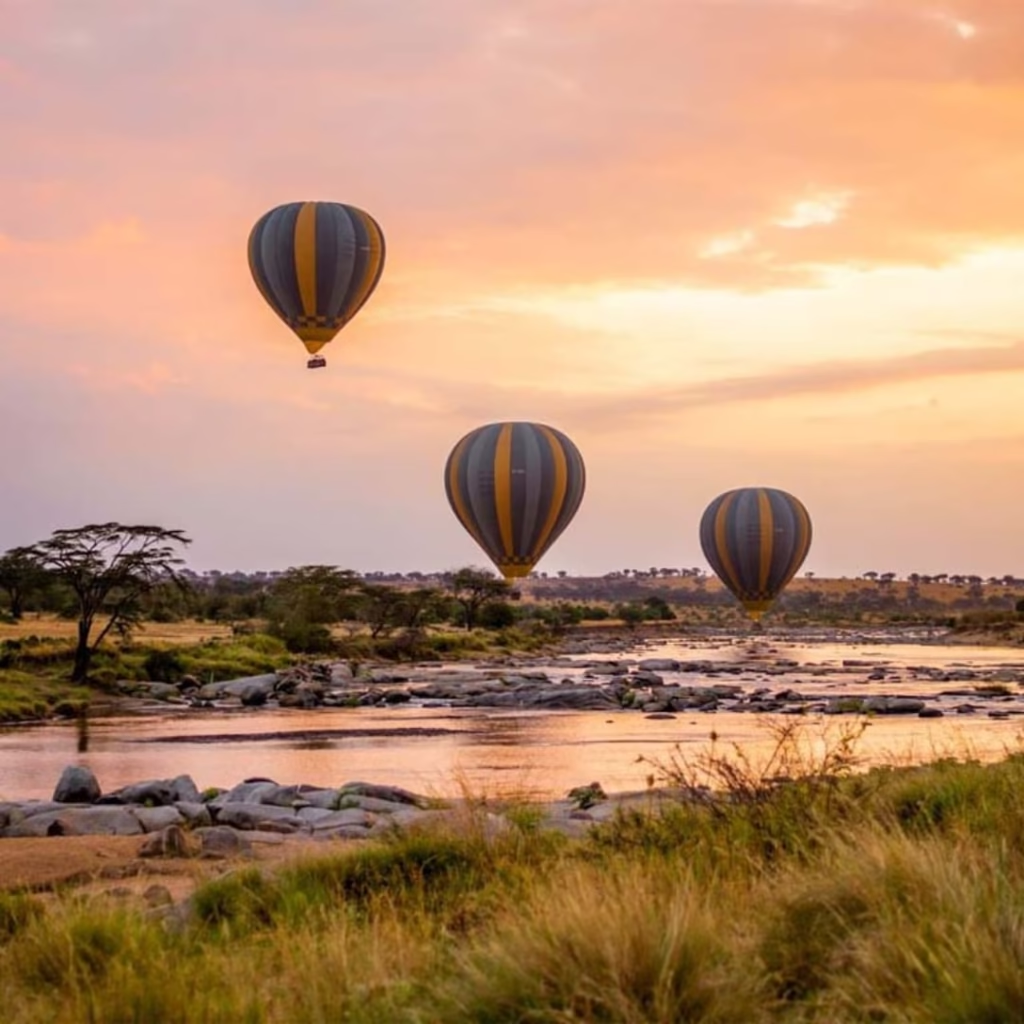
When Is the Great Migration in 2026?
The short, honest answer: the Great Migration in 2026 happens all year long. There is no single start date, no fixed finale, and no one “best week.” Instead, it’s a continuous, circular movement...
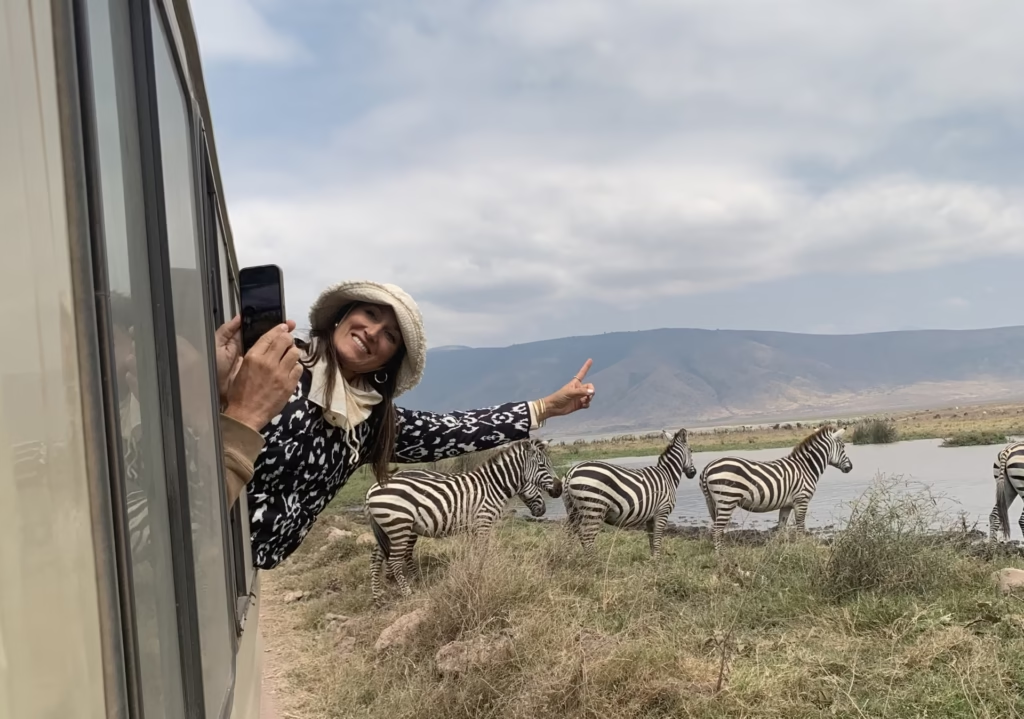
How to Plan a Tanzania Safari: Step-by-Step Guide for First Timers?
Planning a Tanzania safari is not like booking a regular holiday—and for first-timers, that’s both the excitement and the challenge. Tanzania offers some of the most iconic wildlife experiences on Earth, but...
How many game drives on a Tanzania safari?
Almost every traveler planning a Tanzania safari eventually asks the same question: How many game drives do we really need? Is it better to pack the days with endless hours in the vehicle to maximize sightings—or to slow the pace?
How Much Does a Tanzania Safari Cost in 2026?
Easily customize every aspect of your list from widget styles but also you can give custom colors to each item as well.
7. Who February Calving Is (and Isn’t) For
February calving season in Ndutu is best suited to travelers who value authenticity over ease. Photographers thrive here, drawn by concentrated action, dramatic light, and the chance to build visual stories over several days. Repeat safari-goers appreciate the depth—having moved beyond simple sightings, they understand that behavior, tension, and timing are what elevate an experience. Wildlife purists, too, find February deeply rewarding: this is ecology in motion, where birth, survival, and predation unfold as an interconnected system rather than isolated moments.
It is far less ideal for first-time safari travelers seeking comfort-only experiences. Muddy roads, long hours in the vehicle, basic camps, and unpredictable schedules can feel demanding without prior context. Those expecting a gentle introduction to African wildlife—or a strictly relaxing holiday—may find the intensity, physical fatigue, and rawness overwhelming rather than inspiring. February asks for curiosity, patience, and a tolerance for uncertainty.
Our Top Safari Itinerary
8-DAY BIG 5, WILDEBEEST MIGRATION & CULTURAL TANZANIA SAFARI
Experience the Big 5 in Tarangire, Ngorongoro Crater, and the Serengeti, with game drives carefully routed to maximize Wildebeest Migration sightings . Balance iconic safari moments with authentic cultural encounters at Materuni, Chemka Hot Springs, and Lake Eyasi, home to the Hadzabe and Datoga tribes.
8-DAY GREAT MIGRATION SAFARI
Spend four incredible days in the vast Serengeti, home to the breathtaking Great Migration, descend into the awe-inspiring Ngorongoro Crater, a wildlife haven, the journey continues to Tarangire National Park, a hidden gem known for its massive elephant herds and ancient baobab trees
9-DAY SAFARI AND BEACH RETREAT
Experience the very best of Tanzania. Your journey begins with a visit to Tarangire National Park, explore the breathtaking Ngorongoro Crater and venture into the legendary Serengeti National Park, After your safari, you’ll fly to Zanzibar.
There are also ethical considerations to weigh. Predator kills are frequent and often unavoidable to witness, sometimes involving newborn calves. While these moments are a natural and essential part of the ecosystem, they can be emotionally confronting. Understanding this before arrival matters. February calving is not about glorifying death, but about witnessing life in its most honest form—beautiful, brutal, and inseparable. Travelers who arrive prepared for that reality tend to leave with deeper respect rather than discomfort.
8. Honest Outcomes & Expectations for February 2026
February 2026 offers some of the strongest odds in African wildlife viewing—but odds are not guarantees. When timed well, there is roughly a 70–80% chance of witnessing active calving and predator encounters over a multi-day stay, especially around peak zones. Births may happen within meters of the vehicle, or unfold just out of sight; hunts may erupt suddenly or fail after long, tense buildups. The abundance of life increases opportunity, not certainty. That distinction matters.
The no-guarantee rule is fundamental to any safari, and February is no exception. Rainfall can shift herd movements overnight, predators may hunt successfully after dark, and conditions sometimes conspire to hide action rather than reveal it. A single extraordinary sighting can outweigh hours of quiet observation—but it cannot be scheduled. Travelers who arrive expecting a checklist often leave frustrated; those who understand probability leave fulfilled.
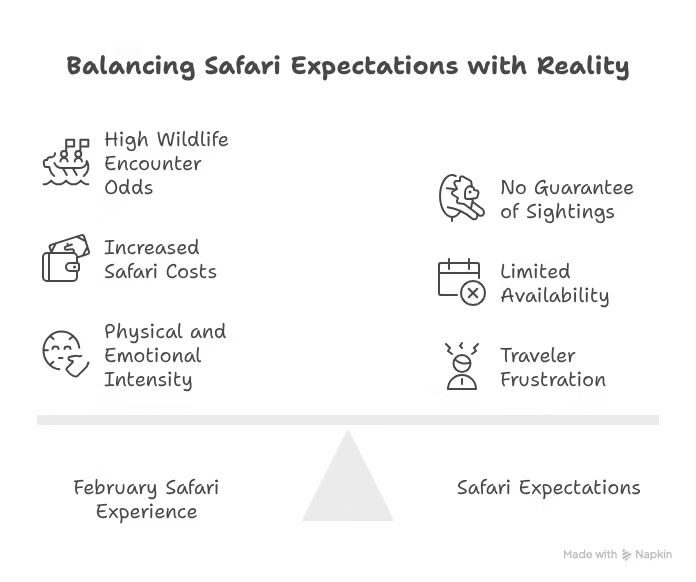
Demand during calving season pushes costs upward, particularly for well-positioned camps and experienced guides. February pricing reflects limited availability rather than luxury alone, and last-minute bookings are rare. Solo travelers often face higher per-person costs or must join shared game drives, while couples and small groups benefit from more flexibility in routing, pacing, and vehicle positioning.
There are also human limits to consider. Long game drives over uneven terrain can be physically exhausting, especially across consecutive days. Repeated exposure to predator-prey interactions can carry emotional weight, particularly for travelers unaccustomed to such raw realism. February delivers intensity in both experience and effort. Understanding that balance—thrill paired with fatigue—is essential to appreciating what the calving season truly offers.
9. How to Maximize Your Ndutu Calving Experience
Success in Ndutu during calving season is less about luck and more about alignment. Timing within February matters: early to mid-February generally delivers the highest concentration of births and predator activity, while late February can still be exceptional but more dependent on rainfall patterns. Arriving with a flexible window—even by a few days—dramatically increases the chance of being in the right place at the right moment.
Ndutu Calving Experience
Camp location often outweighs price. Camps positioned directly on or adjacent to the calving plains offer earlier starts, shorter drives, and more time with unfolding behavior. Less expensive camps farther away may save money, but that saving is often offset by lost opportunities at dawn and dusk when the most meaningful action occurs. In Ndutu, proximity is a form of currency.
Guide expertise should always take priority over luxury. A skilled guide reads weather shifts, anticipates herd movement, understands predator behavior, and knows when to wait rather than chase. Plush amenities fade quickly if positioning is poor or decisions are rushed. The most memorable February safaris are shaped by judgment, patience, and deep local knowledge—not thread count.
Above all, arrive with a flexible mindset. Plans may change, roads may close, and action may appear where you least expect it. The calving season rewards travelers who adapt rather than resist, who observe rather than demand. When expectations are grounded in reality and curiosity leads the way, Ndutu in February delivers experiences that feel earned—and unforgettable.
Planning a Trip to Tanzania?
Our team is always here to help
Please let us know if you have any questions.
Is Ndutu in February 2026 Worth It?
Ndutu in February is not a polished safari—it is a powerful one. The magic is undeniable: mass births unfolding in real time, predators testing the limits of survival, and landscapes alive with movement and tension. Yet it comes wrapped in messiness—muddy roads, long hours, emotional intensity, and moments where nature refuses to perform on cue. The value lies in accepting both. When expectations are grounded, the rewards feel profound rather than fleeting.
This is why the calving season endures as one of Africa’s rawest wildlife events. Few places on Earth compress life, risk, and resilience into such a visible, continuous cycle. Nothing is staged, nothing softened. You are not just watching wildlife—you are witnessing an ecosystem functioning at full capacity, where survival is collective and outcomes are never guaranteed.
The final takeaway is simple: preparation beats hype. Understanding the realities, choosing the right camp and guide, and arriving with flexibility transforms February 2026 from a gamble into a deeply informed experience. For travelers ready to meet nature on its own terms, Ndutu doesn’t just meet expectations—it redefines them.
FAQ’S - Ndutu Calving Season (February 2026)✨
1. Is February the best month to see wildebeest calving in Ndutu?
Yes—February sits at the heart of the calving peak. Thousands of calves are born daily, making it the most reliable month to witness births and the predator activity they attract. Timing still depends on rainfall, but probability is highest in February.✨
2. How many wildebeest calves are born each day during peak calving?
At peak, up to 8,000 calves can be born in a single day across the Ndutu plains. This synchronized birthing overwhelms predators and is the core survival strategy of the migration.✨
3. Will I definitely see predator hunts or kills?
There are no guarantees. While predator density is extremely high and encounters are frequent, hunts don’t always end in kills and some occur out of sight or at night. Expect strong chances—not certainty.✨
4. Is the calving season suitable for first-time safari travelers?
It can be, but it’s not ideal for those seeking comfort-only experiences. February safaris involve long drives, basic camps, muddy conditions, and emotionally intense wildlife moments. First-timers open to realism tend to enjoy it far more.✨
5. What is the weather like in Ndutu in February?
February weather is variable. Expect warm days, occasional short rains, and lush green landscapes. Rain rarely lasts all day, but it can affect roads and herd movement with little notice.✨
6. Are February safaris crowded?
Crowds are lower than during peak Serengeti river crossings, but vehicles can cluster quickly at active sightings. The difference is that crowds usually disperse faster rather than lingering all day.✨
7. What type of accommodation is best during calving season?
Seasonal tented camps close to the plains offer the best experience. Proximity matters more than luxury, as being near the herds allows early starts and better positioning for dawn and dusk activity.
8. How can I increase my chances of a successful calving-season safari?
Choose experienced guides, stay close to the calving grounds, allow flexible travel dates, and arrive with realistic expectations. Preparation and adaptability consistently outperform hype.