
How to Plan a Tanzania Safari: Step-by-Step Guide for First Timers?
Table of Contents
ToggleWhy Planning a Tanzania Safari Is Different
Planning a Tanzania safari is not like booking a regular holiday—and for first-timers, that’s both the excitement and the challenge. Tanzania offers some of the most iconic wildlife experiences on Earth, but those experiences vary dramatically depending on where you go, when you travel, how long you stay, and who you plan with. A small decision—such as choosing the wrong season or rushing too many parks—can completely change the quality of your safari.
Unlike destinations with one main park or a fixed itinerary, Tanzania has multiple world-class national parks, each with its own landscapes, wildlife patterns, access routes, and costs. Add seasonal changes like the Great Wildebeest Migration, fluctuating park fees, long driving distances, and different accommodation styles, and it becomes clear why thoughtful planning matters. Many first-time travelers looking for a migration-focused journey often choose experiences similar to our 9-DAY WILDEBEEST MIGRATION ADVENTURE is ideal for first-time visitors, where timing, routing, and logistics are already optimized.
A well-planned safari feels effortless; a poorly planned one feels rushed, expensive, or disappointing. This step-by-step guide is designed to remove that confusion. It breaks the planning process into clear, practical decisions—from choosing the right parks and travel season to understanding costs, logistics, and safari styles—so you can plan your first Tanzania safari with confidence and realistic expectations.
Step 1: Decide What Kind of Safari Experience You Want
Before choosing parks, dates, or lodges, the most important first step is understanding what kind of safari experience you’re actually looking for. Many first-time travelers assume all safaris are the same, but in Tanzania, experiences vary widely depending on your priorities.
Understand Common First-Timer Safari Goals
Most first-time visitors to Tanzania fall into one of these categories:
- Big Five sightings: Seeing lions, elephants, leopards, buffalo, and rhinos is a top goal for many beginners, best achieved in wildlife-dense areas like Ngorongoro Crater and the Serengeti.
- The Great Wildebeest Migration: Travelers seeking dramatic river crossings and vast moving herds are drawn to the Serengeti, where timing and location are critical.
- Family-friendly vs adventure-focused safaris: Families often prefer shorter drives, comfortable lodges, and flexible pacing, while adventurous travelers may enjoy longer days and more remote camps.
Being clear about your main goal helps avoid trying to “see everything” and ending up with a rushed itinerary.
Explore all our Tanzania safari packages for different travel styles.
Match Experiences to Expectations
For first-time safari-goers, classic game drives are the foundation of a great experience. They offer the best chance to see a wide variety of wildlife comfortably and safely, especially when traveling with experienced guides.
- Walking safaris and boat safaris can be excellent additions, but they work best as optional experiences rather than the core of a first safari.
- Wildlife abundance matters more than niche interests. Unless you are a dedicated birder or photographer, parks with consistently high animal density will deliver more rewarding sightings than specialized activities.
Quick Preference Checklist
Ask yourself which of these excites you most:
- Migration drama: Massive herds, predator action, and seasonal movement
- Dense wildlife viewing: Frequent sightings with minimal driving
- Relaxed elephant-focused safaris: Slower pace, scenic landscapes, and iconic elephant herds
Once your priorities are clear, every other planning decision—from parks to season to budget—becomes much easier.
Step 2: Choose the Best Time to Visit Tanzania
Timing plays a major role in the quality of your Tanzania safari. Wildlife movements, road conditions, prices, and crowd levels all change throughout the year, so choosing the right season should be based on what you want to see and how you want to experience it, not just availability.
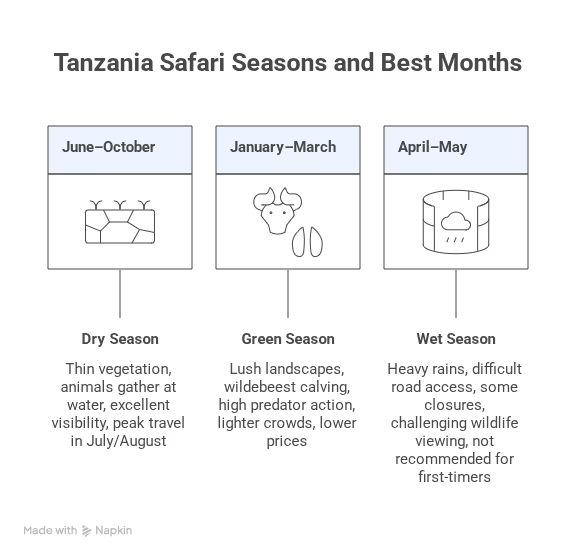
Tanzania Safari Seasons Explained
Best Months Based on Your Goals
- Migration chasers: July to September for northern Serengeti river crossings; January to February for calving season in the south
- Budget travelers: January and February offer good wildlife with lower rates and fewer visitors
- Crowd-averse travelers: March or early June provide strong sightings without peak-season congestion
Step 3: Select the Right National Parks for Your First Safari
Choosing the right parks is key to a successful first safari. Tanzania has over a dozen national parks, but not all are ideal for beginners. Focusing on a few well-chosen parks ensures diverse wildlife, manageable travel, and maximum enjoyment.
Why the Northern Circuit Is Best for First Timers
The Northern Circuit—including Serengeti, Ngorongoro, Tarangire, and Lake Manyara—is the most popular choice for first-time visitors because:
- Accessibility from Arusha: Most safaris start and end in Arusha, keeping transfers straightforward and reducing long, tiring drives.
- Shorter driving distances: Concentrating on northern parks limits travel time between locations, allowing more time for wildlife viewing.
- Diverse landscapes: From savannah plains to volcanic craters, lush forests to riverine woodlands, first-timers experience Tanzania’s iconic scenery without venturing too far off the beaten path.
Top Parks to Include
- Serengeti National Park: Famous for vast plains, incredible wildlife density, and the Great Wildebeest Migration. A must for dramatic safari moments.
- Ngorongoro Crater: Offers concentrated Big Five sightings in a single day with breathtaking scenery. Ideal for families and first-timers wanting guaranteed wildlife encounters.
- Tarangire National Park: Known for its large elephant herds and baobab-studded landscapes. A quieter alternative to Serengeti with excellent photographic opportunities.
Parks to Skip on Your First Trip (and Why)
- Southern & Western Parks (Ruaha, Katavi): While spectacular, these parks are remote and require long drives or internal flights. They are better suited for experienced travelers seeking off-the-beaten-path adventures rather than first-time visitors who want an accessible, varied, and manageable safari experience.
Focusing on the Northern Circuit ensures your first safari combines iconic wildlife, scenic variety, and smooth logistics, creating an unforgettable introduction to Tanzania.
Step 4: Decide the Ideal Length of Your Safari
The duration of your safari directly affects how much you can see, how relaxed the trip feels, and how much time you have for travel between parks. For first-time visitors, striking the right balance is key.
Recommended Safari Duration
- Why 7–10 days works best: This timeframe allows for 4–6 full safari days across 2–3 parks while leaving time for travel and rest. It’s long enough to experience Tanzania’s highlights without feeling rushed.
- Balancing safari days and travel recovery: Arriving and departing can be tiring due to long flights, so including buffer days ensures you start rested and leave without stress.
Sample Time Breakdown
- Arrival Day: Land in Kilimanjaro or Arusha, transfer to lodge, relax, and prepare for your safari.
- Safari Days: 4–6 full days exploring parks like Serengeti, Ngorongoro, and Tarangire. Include early morning and late afternoon drives for peak wildlife activity.
- Departure Buffer: Final day for transfers back to Arusha, optional shopping or sightseeing, and airport departure.
This perfect 7-day Tanzania safari itinerary for first-time visitors is designed to give you a well-balanced introduction to the country’s most iconic wildlife destinations—without rushing or missing key experiences.
Step 5: Choose Your Safari Style & Accommodation Type
Your safari style affects comfort, experience, and cost. Tanzania offers options ranging from basic camping to luxury lodges, allowing you to tailor your trip to your preferences.
Safari Styles Explained
- Budget Camping Safaris: Basic tents, shared facilities, and an immersive wilderness experience. Ideal for adventure seekers and travelers on a budget.
- Mid-Range Lodges & Tented Camps: Comfortable en-suite tents or lodges with platforms, offering a balance of immersion and convenience. Popular for first-timers who want a comfortable yet authentic safari experience.
- Luxury Fly-In Safaris: High-end lodges or mobile camps with hotel-like amenities, often combined with domestic flights to minimize driving and maximize wildlife time. Perfect for travelers seeking pampering and ease.
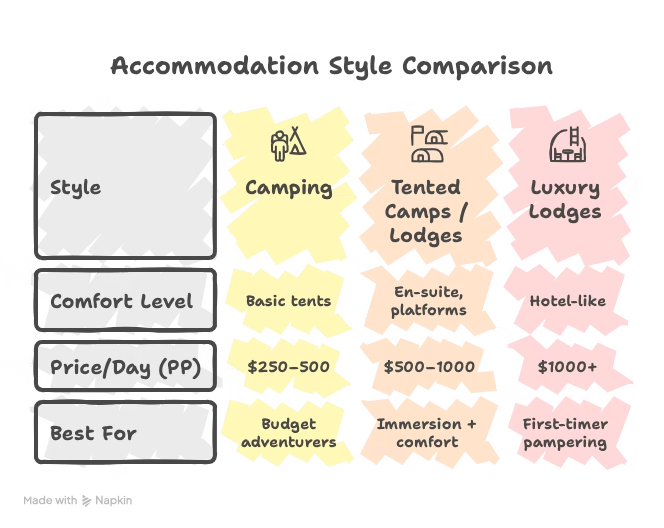
Accommodation Comparison Table
Choosing the right style and accommodation ensures your safari aligns with your budget, comfort expectations, and desired level of immersion.
Step 6: Understand Safari Costs & What’s Included
Budgeting is a crucial step in planning your Tanzania safari. Knowing what costs to expect—and what is typically included—helps avoid surprises and ensures your trip matches your financial plan.
Average Tanzania Safari Costs
- Daily Cost Ranges: Safari prices vary widely depending on style, duration, and season. Expect anywhere from $300 to $1,500 per person per day.
- Mid-Range vs Luxury Expectations: A mid-range safari with comfortable lodges and guided game drives typically costs $500–$1,000 per day, while luxury options with fly-in transfers and high-end lodges can exceed $1,000 per day.
What’s Typically Included
Most safari packages cover the essentials needed for a smooth experience:
- Park Fees: Daily entrance fees for each national park or conservation area (usually $60–$80 per park).
- Accommodation & Meals: Lodging in tents or lodges and daily meals, often including breakfast, lunch, and dinner during safari days.
- Guide & Game Drives: Professional safari guides, 4×4 vehicle transfers, and scheduled game drives within parks.
Common Exclusions to Budget For
Certain expenses are usually not included in standard safari packages:
- International Flights: Round-trip flights to Tanzania from your home country.
- Tips: For guides, drivers, and lodge staff (average $20–30 per day).
- Drinks & Personal Expenses: Alcohol, soft drinks, souvenirs, and optional activities outside the safari itinerary.
Understanding these costs upfront helps first-time travelers plan realistically, choose the right style of safari, and avoid unexpected expenses during the trip.
Step 7: Decide Between a Private or Group Safari
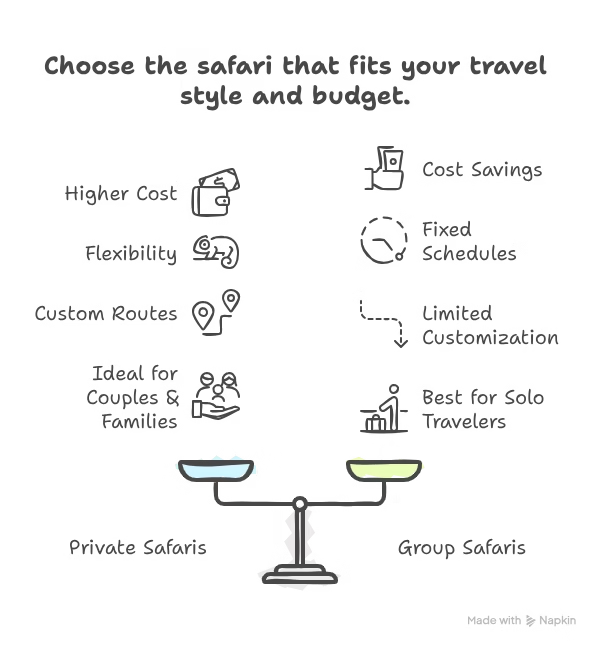
Choosing between a private and a group safari is one of the most important decisions for first-time travelers. Each option has its own advantages and trade-offs, and the right choice depends on your priorities, budget, and travel style.
Which Is Best for First Timers?
For most first-time travelers, small private safaris are recommended. They provide personalized attention, flexible pacing, and a more immersive experience, making it easier to maximize wildlife sightings and enjoy the trip without feeling rushed. Group safaris are best for those on a tighter budget or solo travelers who enjoy social experiences.
Step 8: Handle Flights, Visas & Entry Requirements
Before your safari begins, it’s essential to plan your flights, visas, and entry requirements carefully. Getting these details right ensures a smooth start to your adventure.
Where to Fly In
- Kilimanjaro International Airport (JRO): This is the main gateway for northern Tanzania safaris. It’s well-connected to major international hubs and provides convenient access to Arusha and the Northern Circuit.
- Why Arusha is the Safari Hub: Most safari operators are based in Arusha, making it easy to arrange transfers, park entry, and guided excursions. Staying in or near Arusha for your first night allows for rest and orientation before your safari begins.
Visa & Passport Requirements
- Tanzania e-Visa Process: Most travelers can apply online for a Tanzania e-Visa, which simplifies entry. Apply at least a few weeks before your trip to avoid delays.
- Passport Validity Rules: Your passport must be valid for at least six months beyond your planned departure date from Tanzania.
Health & Entry Considerations
- Yellow Fever Certificate Rules: Travelers arriving from countries with yellow fever risk zones must present a valid vaccination certificate. Check if your route requires this, even if transiting through another country.
- Transit Country Risks: Some transit countries may have additional health requirements or visa rules, so verify your entire flight route before booking.
Proper planning of flights, visas, and health requirements ensures you arrive ready to start your safari without unnecessary stress or complications.
Planning a Trip to Tanzania?
Our team is always here to help
Please let us know if you have any questions
Step 9: Pack Smart for a Tanzania Safari
Packing carefully can make the difference between a comfortable, hassle-free safari and one filled with avoidable stress. Choosing the right clothing and gear ensures you’re prepared for long game drives, varying temperatures, and park regulations.
Essential Safari Clothing
- Neutral Colors: Stick to khaki, beige, or olive tones to blend in with the environment and avoid startling wildlife. Bright colors and patterns are discouraged.
- Layering for Mornings & Evenings: Early mornings and late evenings can be cool, even in the dry season. Bring lightweight jackets, long-sleeve shirts, and a warm layer for comfort during game drives.
Must-Have Safari Gear
- Binoculars: Essential for spotting wildlife at a distance and enhancing game drive experiences.
- Camera & Power Banks: Capture your safari memories with a camera or smartphone; carry extra batteries or a power bank for extended days in the field.
- Insect Repellent & Sunscreen: Protect against mosquitoes, ticks, and strong sun exposure during long hours outdoors. A wide-brimmed hat is also recommended.
Luggage Rules & Restrictions
- 15kg Duffel Limit: Most safari operators have strict luggage restrictions due to small 4×4 vehicles and light aircraft transfers. Soft-sided bags are preferred.
- Drones & Restricted Items: Drones, firearms, and other prohibited equipment are not allowed in national parks. Check regulations with your operator before packing.
Packing smart ensures you stay comfortable, safe, and fully equipped to enjoy every moment of your Tanzanian safari.
Step 10: Choose a Trusted Local Safari Operator
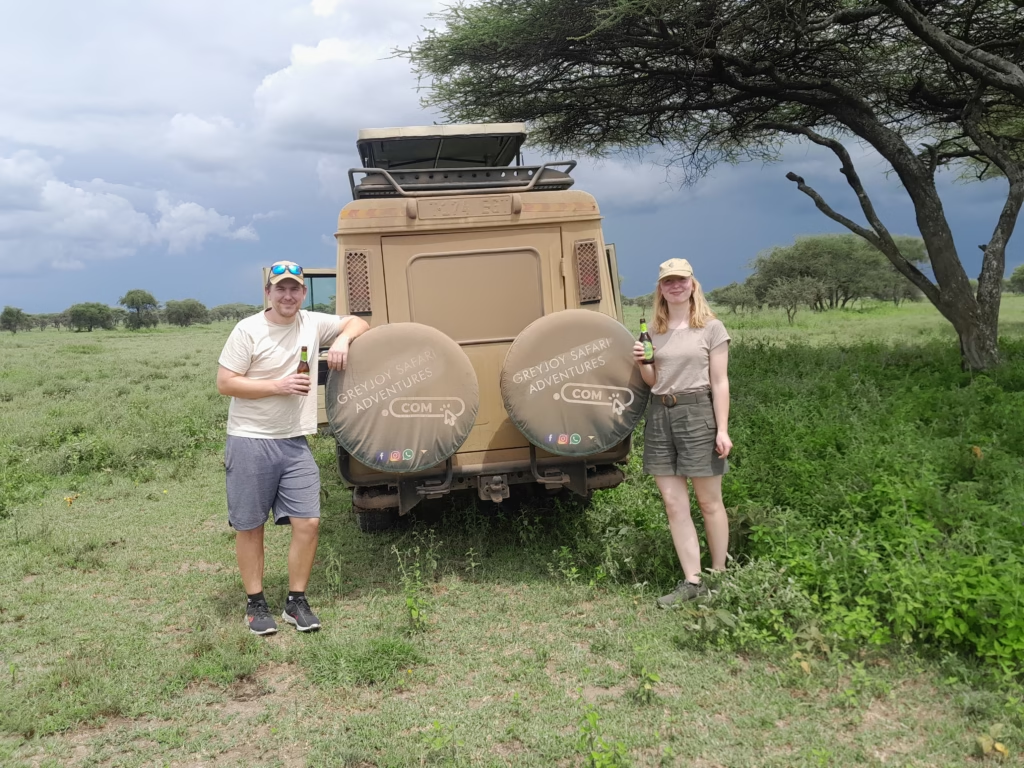
Choosing the right safari operator is one of the most important decisions you’ll make when planning a Tanzania safari. A dependable, locally based company like Grey Joy Safari Adventures ensures your journey is smooth, well-coordinated, and genuinely memorable—from the moment you arrive until your final farewell.
Why Booking with a Local Expert Matters
Deep Local Knowledge & Smart Logistics
At Grey Joy Safari Adventures, our team knows Tanzania’s national parks, seasonal wildlife movements, and road conditions inside out. This local insight allows us to plan efficient routes, maximize wildlife sightings, and avoid unnecessary delays.Real-Time, On-the-Ground Support
Because we are based in Tanzania, we can respond immediately to any situation—whether it’s a change in weather, a vehicle issue, or a last-minute itinerary adjustment—ensuring your safari stays stress-free and enjoyable.Clear Pricing & Honest Value
We believe in full transparency. Our safari packages are clearly priced with no hidden costs, so you know exactly what’s included and what to expect before you travel.
How to Identify a Reliable Safari Operator
Verified Guest Reviews
Look for consistent, positive feedback on trusted platforms such as TripAdvisor and SafariBookings. Recent guest experiences (2025–2026) are especially important when assessing service quality and safety standards.Professional Memberships
Reputable operators are members of recognized industry bodies like the Tanzania Association of Tour Operators (TATO), which promotes ethical operations, professionalism, and safety across the tourism sector.Current & Relevant Feedback
Recent reviews reflect up-to-date vehicles, guides, accommodation partnerships, and overall service delivery—key indicators of a well-run safari company.
Step 11: Final Planning Timeline for First Timers
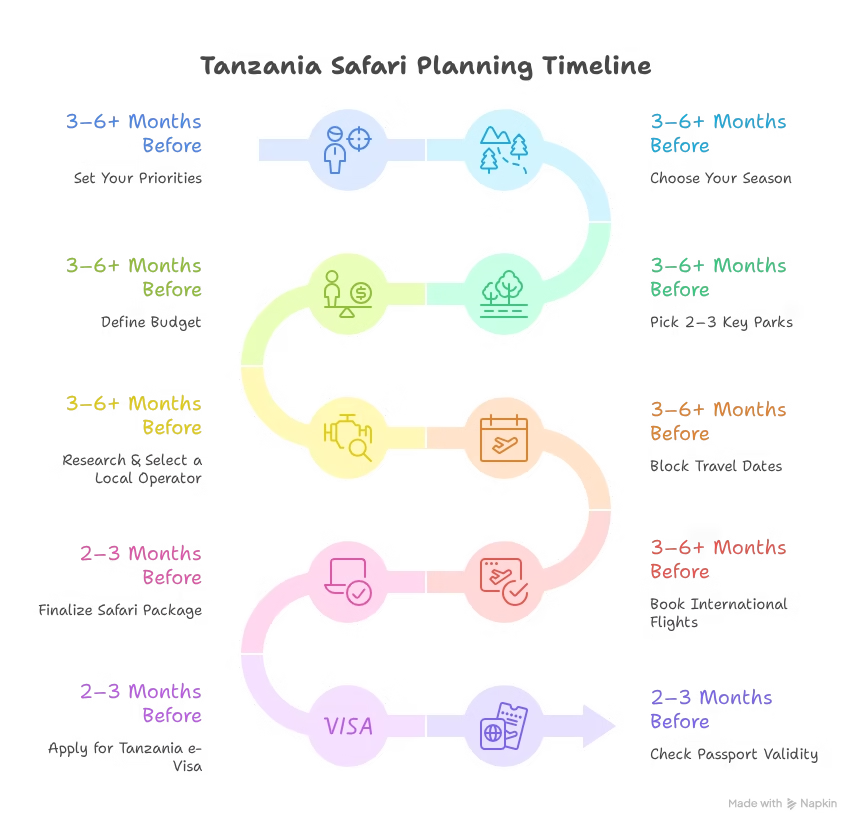
Proper timing is essential to secure the best parks, accommodations, and experiences for your first Tanzanian safari. Planning ahead reduces stress and ensures availability during peak periods.
Simple Planning Checklist
Before booking, make sure you have clearly defined:
- Dates: Determine your preferred travel window based on wildlife goals and season.
- Parks: Choose 2–3 key parks that match your interests and travel style.
- Budget: Set realistic expectations for daily costs, accommodation, and extras.
- Operator Selection: Identify reputable local operators and confirm availability.
Conclusion: Your Tanzania Safari, Done Right
Planning your first Tanzania safari can feel overwhelming, but with thoughtful preparation, it becomes an exciting and manageable process. Remember: preparation matters more than perfection—understand your priorities, align them with the season and parks, and book with experienced local operators. Doing so ensures a safari that’s not only smooth and safe but also truly unforgettable, leaving you with memories of Africa’s wildlife and landscapes that will last a lifetime.