Serengeti National Park: Complete 2026 Travel Guide
Table of Contents
Toggle1. Introduction
There’s a version of Serengeti National Park that lives in your head long before you ever set foot in it. Endless golden plains. A lone lion silhouetted at sunset. Thousands of wildebeest thunder across a river while crocodiles wait below. It feels cinematic—perfect, choreographed, almost too good to be real.
Then… you arrive.
And reality, as it turns out, is both quieter and more powerful. You might drive for an hour and see nothing but grass swaying in the wind. You might wait patiently for a predator that never appears. Or you might, without warning, witness a moment so raw and unscripted it stays with you for life. The Serengeti doesn’t perform on demand—it unfolds on its own terms.
This is the Serengeti National Park guide that tells you the truth—not just the fantasy.
Because yes—the icons are real. The Great Migration, with over two million animals moving in ancient rhythm. The Big Five—lion, leopard, elephant, buffalo, and rhino—roaming vast, untamed land. Predators, prey, and survival playing out in one of the last great ecosystems on Earth.
But here’s the honest positioning: the Serengeti is expensive, often unpredictable, and sometimes even frustrating. You’ll deal with long drives, shifting wildlife patterns, and—during peak season—more vehicles than you expected.
And yet…
When it delivers—and it will—it’s not just a trip. It’s something deeper. Something that rewires how you see nature, time, and your place in it.
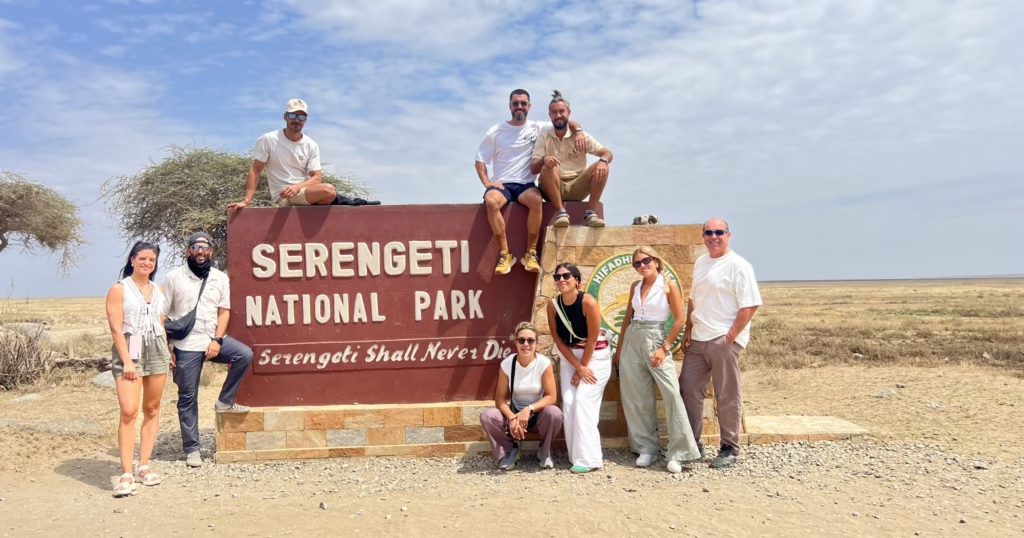
Serengeti Nabi Gate
2. Wildlife: What You’ll REALLY See (And What You Might Not)
Step into Serengeti National Park and you’re entering one of the richest wildlife ecosystems on Earth—no exaggeration needed. This is a landscape that supports over two million ungulates—wildebeest, zebras, and gazelles—alongside the legendary Big Five: lion, leopard, elephant, buffalo, and rhino. Layer onto that a powerful predator presence—roughly 4,000 lions, 1,000 leopards, and hundreds of cheetahs—and you begin to understand the scale.
- The Great Migration: At its core, the Great Migration is a movement—millions of animals following rain, chasing fresh grass in a continuous loop across the ecosystem. There’s no fixed start or finish. Just survival. When conditions align, you’ll witness river crossings, calving seasons, and vast herds stretching to the horizon. When they don’t? The plains can feel surprisingly empty.
Predator Capital
The Serengeti is one of the best places in Africa to see predators—not because they’re guaranteed, but because the density is unmatched. Lions lounge in the open, cheetahs scan the plains with precision, and leopards remain elusive, draped over trees like shadows.
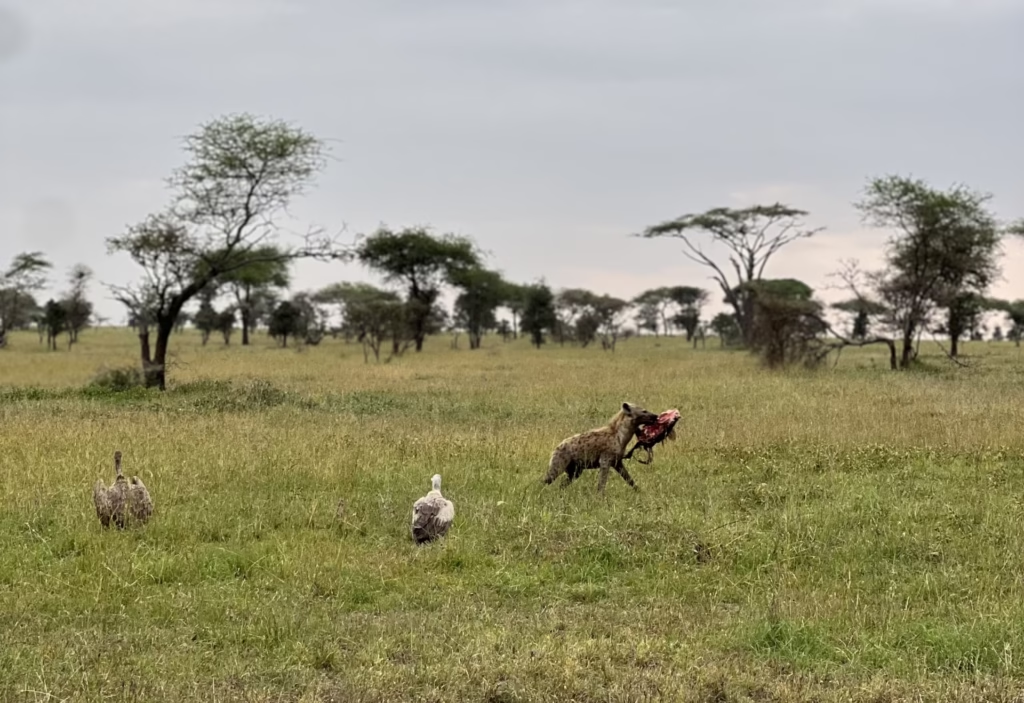
Hyena In Serengeti
Beyond the Headlines
Look closer and the Serengeti expands:
- Towering giraffes moving like slow poetry
- Hyenas with complex social lives
- Hippos crowding muddy pools
- Over 500 bird species, from vibrant lilac-breasted rollers to powerful raptors
It’s not just a safari—it’s an ecosystem in motion.
Reality Check: This Isn’t a Documentary
Here’s where expectation meets truth:
- Wildlife sightings depend heavily on timing and luck
- There is no constant action—no background music, no guaranteed hunts
- You will experience quiet stretches—sometimes long ones
And that’s not a flaw. That’s the Serengeti being real.
Insider Angle: The Thrill of Finding, Not Following
Most vehicles rely on radio calls to locate animals quickly. It’s efficient—but it can turn sightings into crowded scenes.
There’s another way.
When you (or your guide) track, scan, and discover wildlife organically, something shifts. The moment becomes yours. The lion isn’t just seen—it’s found.
It takes patience. Awareness. A bit of luck.
But when it happens? It feels less like tourism… and more like you’ve briefly learned how to belong in the wild.
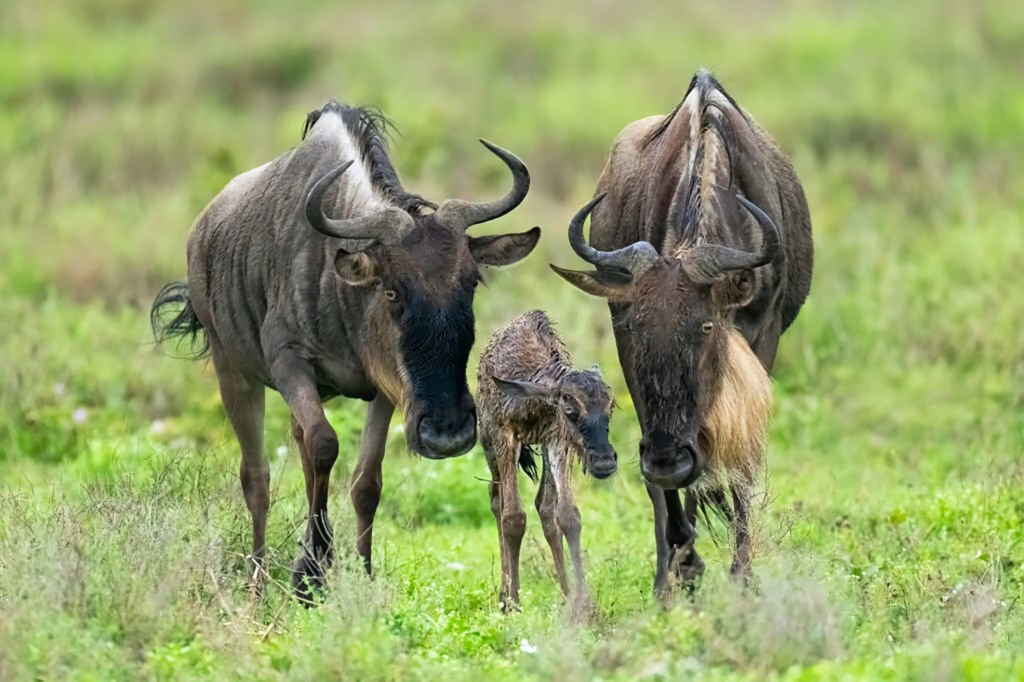
Ndutu Cliving Season
3. Seasons: When to Go (Based on Experience, Not Hype)
Timing your trip to Serengeti National Park isn’t about picking a “perfect month”—it’s about choosing the kind of experience you want. And few periods capture the raw rhythm of nature quite like calving season.
3.1 Calving Season (January–March)
This is when the southern plains of the Serengeti transform into a living nursery. In just a few weeks, hundreds of thousands of wildebeest calves are born—often synchronised within a tight window. It’s nature’s strategy: overwhelm predators with sheer numbers.
And predators respond.
Lions patrol constantly. Cheetahs scan for vulnerable targets. Hyenas circle with patience. The result? Some of the most intense and emotional wildlife interactions you can witness anywhere in Africa.
✅ Pros
- High predator activity – big cats are easier to spot and more active
- Dramatic scenes – births, hunts, and survival moments unfold daily
- Lush, green landscapes – the Serengeti looks vibrant and alive
- Excellent photography conditions – soft light, rich contrast, fewer dust clouds
⚠️ Cons
- Short rains & muddy tracks – game drives can be slower, sometimes disrupted
- Insects increase – especially flies and mosquitoes in greener conditions
- Migration is localized – you won’t see massive moving herds across vast distances like later in the year
✨The Real Take
Calving season isn’t about spectacle in the “Hollywood” sense—it’s about intimacy and intensity. Smaller areas, more concentrated life, and a front-row seat to nature at its most vulnerable… and most ruthless.
If you want drama with depth—not just scale—this is when the Serengeti quietly becomes extraordinary
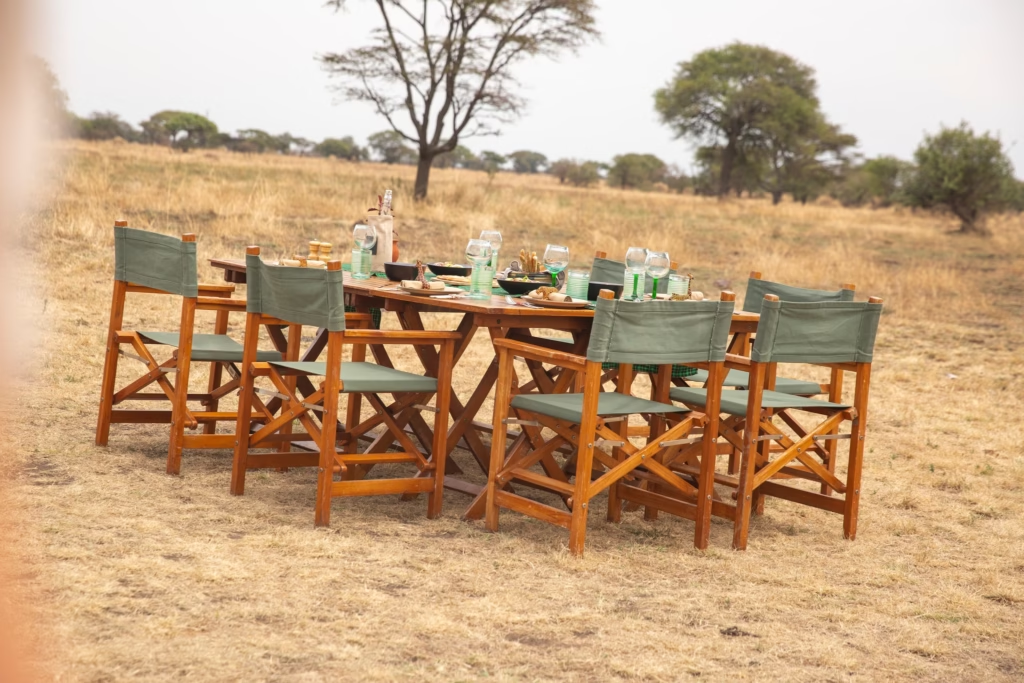
Central Serengeti (Bush Lunch)
3.2 Dry Season (June–October)
If you’ve seen those heart-pounding safari clips—herds plunging into crocodile-filled rivers—it’s almost certainly this season in Serengeti National Park.
This is river crossing season, where the Great Migration bottlenecks at the Grumeti and Mara Rivers. Thousands of wildebeest gather, hesitate, surge forward—and chaos follows. It’s raw, dramatic, and completely unpredictable. Some crossings happen in minutes. Others take hours… or don’t happen at all.
But this spectacle comes at a cost.
- Peak crowds – multiple vehicles lining riverbanks, waiting for action
- Peak prices – lodges and camps can jump 50% or more
- Peak drama – when it happens, it’s unforgettable
Visibility is excellent due to dry grass and sparse vegetation, making wildlife easier to spot across vast distances. But expect heat, dust, and long waits—this is not a curated show, it’s patience rewarded (sometimes).
3.3 Green / Wet Season (November–December, April–May)
This is the Serengeti at its most underrated—and most misunderstood. The rains return, and with them, the plains turn lush, green, and alive again.
- Fewer tourists – quieter parks, more intimate sightings
- Dramatic skies & landscapes – ideal for photography
- Lower prices – especially in shoulder months
But nature adds friction:
- Rain can disrupt game drives (muddy roads, limited access)
- Wildlife spreads out as water becomes widely available
- Migration becomes less predictable and less concentrated
⚠️ Critical Insight: Timing Isn’t a Guarantee
Here’s the truth most guides gloss over:
- The Great Migration is NOT fixed on a calendar
- It moves based on rainfall patterns, not dates
That means in 2026, everything—from river crossings to herd locations—can shift by weeks or even months.
👉 Why this matters:
If you’re planning your trip around a specific moment (like crossings), you must verify current migration updates before booking. Locking dates too early without flexibility? That’s how expectations get broken.
The Serengeti doesn’t follow schedules. It follows rain. And the closer you align with that truth, the better your safari becomes.
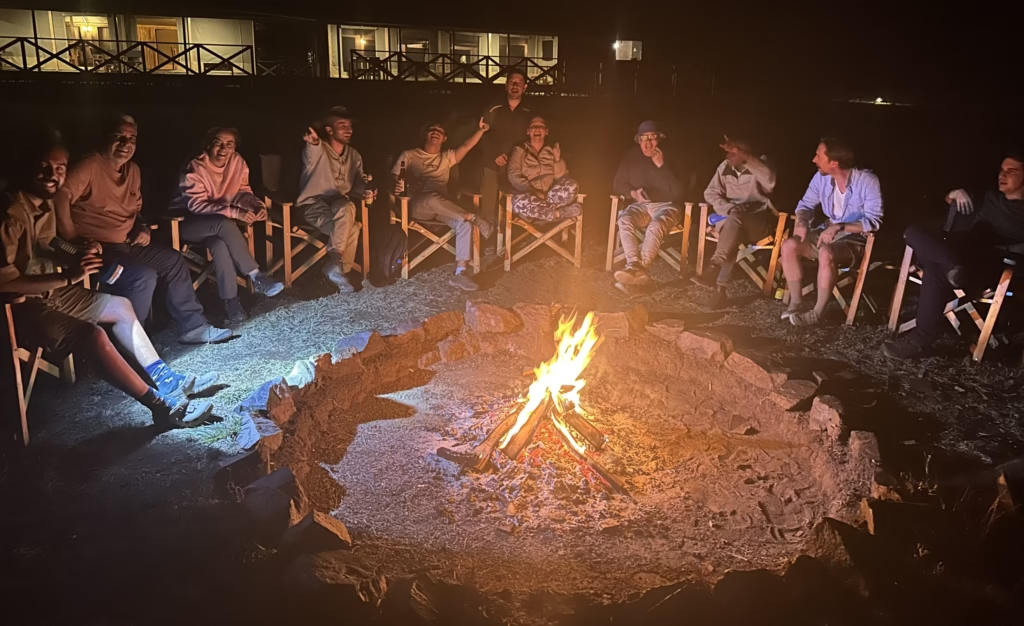
Born Fire at the Camp in Serengeti
4. Where to Stay: Matching Budget to Experience
Let’s start with the truth most travel brochures whisper around: the Serengeti is never truly cheap.
Staying inside Serengeti National Park means paying for remoteness, logistics, conservation fees, and the privilege of waking up in the wild. Even the most “budget” options come at a cost—and the higher you go, the more the experience transforms from travel into something closer to immersion luxury.
💰 Price Expectations (Reality Check)
- Luxury: $900 – $2,500+ per person/night
- Mid-range: $500 – $1,100 per person/night
- Budget/Standard: $200 – $500 per person/night
Most stays are full-board (FB)—meals, accommodation, and often game drives included. But during peak season? Expect prices to climb sharply.
4.1 Luxury Lodges
This is where the Serengeti reveals its most polished, cinematic side. Properties like Four Seasons Safari Lodge Serengeti, Singita Sasakwa Lodge, and One Nature Nyaruswiga Serengeti don’t just place you in the wild—they frame it.
What you get:
- Front-row wildlife views (sometimes from your private deck or infinity pool)
- High-end design blended with nature
- Fine dining, spas, and curated experiences
- Fewer crowds, more exclusivity, often in prime wildlife مناطق
The feeling? You’re not chasing the safari—you’re letting it come to you.
🎯 Who It’s For
- Travelers who value comfort as much as adventure
- Honeymooners or special-occasion trips
- Those who want effortless access to wildlife without sacrificing luxury
- Anyone willing to pay for space, privacy, and premium guiding
✨The trade-off is simple: you pay more, but you remove friction. No compromises. Just the Serengeti—elevated, distilled, and delivered on your terms.✨
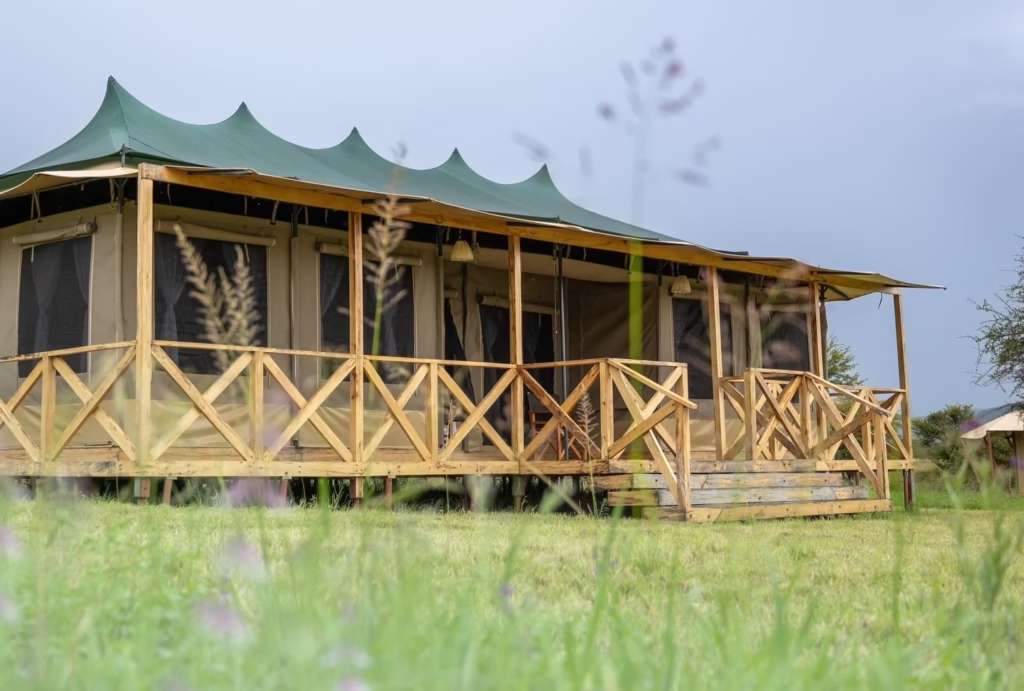
Mid-range Tented Camp
4.2 Mid-Range Camps
This is the Serengeti sweet spot—where comfort meets authenticity without tipping into extreme luxury pricing. In Serengeti National Park, mid-range camps deliver a proper safari feel while still giving you a soft landing at the end of the day.
Think stylish tented camps like Namiri Plains Camp, Lemala Kuria Hills Lodge, or Dunia Camp. Canvas walls, yes—but inside? Real beds, en-suite bathrooms, and often surprisingly refined dining.
What defines mid-range:
- A strong balance of comfort and immersion
- Smaller, more intimate settings than big lodges
- Excellent guiding and access to key wildlife مناطق
- Enough luxury to relax… without disconnecting from the wild
👉 Why it works: For most travelers, this category delivers the best value. You’re close enough to nature to feel it, but comfortable enough to enjoy it.
4.3 Budget / Standard Camps
At the lower end, the Serengeti strips things back. Camps like Serengeti Kati Kati Camp, Lobo Wildlife Lodge, and Mbali Mbali Soroi Serengeti Lodge offer a more functional, no-frills experience.
What to expect:
- Basic tents or lodge rooms
- Simpler meals and fewer amenities
- Sometimes shared facilities
- Less consistent service or maintenance
The trade-offs:
- Location matters more—cheaper camps aren’t always in prime wildlife
- Comfort can vary significantly
- You may sacrifice flexibility or exclusivity
🎯 Strategic Advice (This Is Where Trips Are Won or Lost)
- Central (Seronera) vs Mobile Camps:
Staying near the Seronera region (central Serengeti) means reliable year-round wildlife. Mobile camps, on the other hand, follow the migration—offering front-row access if your timing is right. - Book Early—Seriously:
The best camps (especially migration-focused ones) sell out months in advance. Waiting too long doesn’t just raise prices—it limits your options dramatically. - Watch for Hidden Costs:
Peak season can quietly inflate prices by 50% or more. What looks “mid-range” in low season can creep toward luxury rates without warning.
✨In the Serengeti, where you stay doesn’t just affect comfort—it shapes what you see, how you experience it, and ultimately… how the story stays with you. Choose strategically.✨
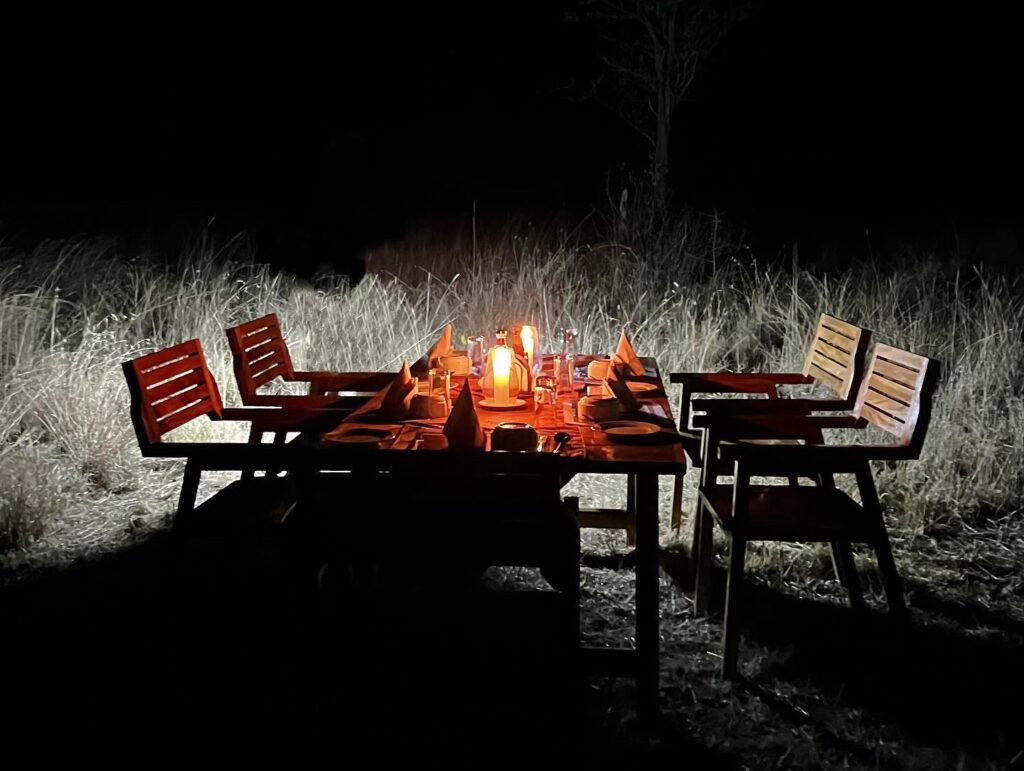
Special Bush Diner(Serengeti)
5. Activities: What Your Days Actually Look Like
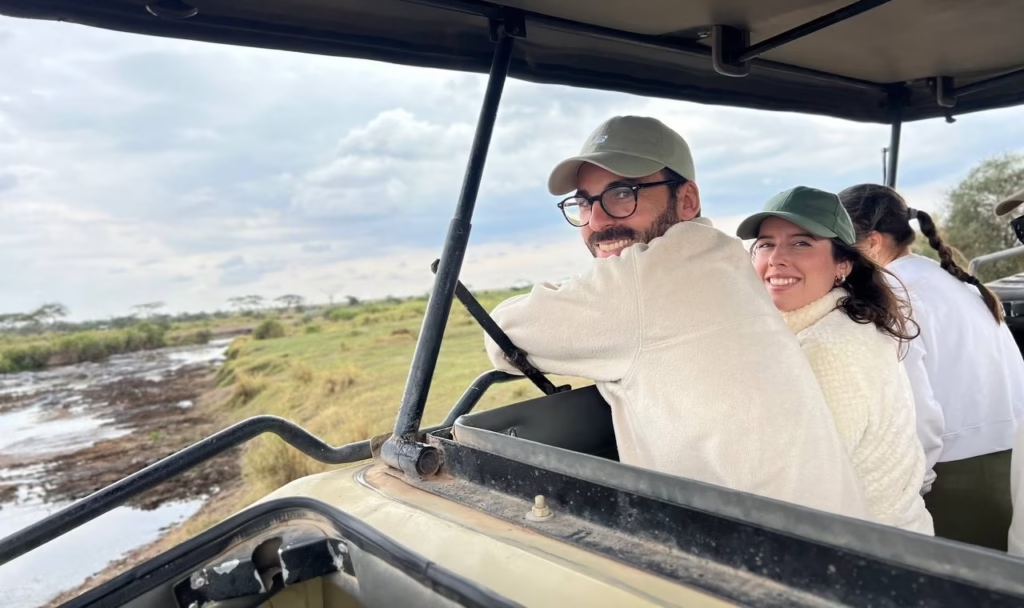
Life inside Serengeti National Park isn’t packed with constant action—it’s built around rhythm. Early starts, long drives, quiet observation… and moments that arrive without warning.
5.1 The Core Experience: Game Drives
This is the heartbeat of every safari. Your days revolve around morning, afternoon, or full-day game drives, each offering a different lens into the wild.
- Morning drives (sunrise) – cool օդ, active predators, golden light
- Afternoon drives – slower pace, broader exploration
- Full-day drives – deeper range, picnic lunches, higher chances of diverse sightings
But here’s the reality most first-timers don’t expect:
- You’ll spend hours driving—sometimes seeing a lot, sometimes very little
- Wildlife doesn’t follow schedules
- Patience isn’t optional—it’s the entire game
One hour, nothing but open plains. The next? A cheetah on the hunt. That contrast is the Serengeti’s rhythm.
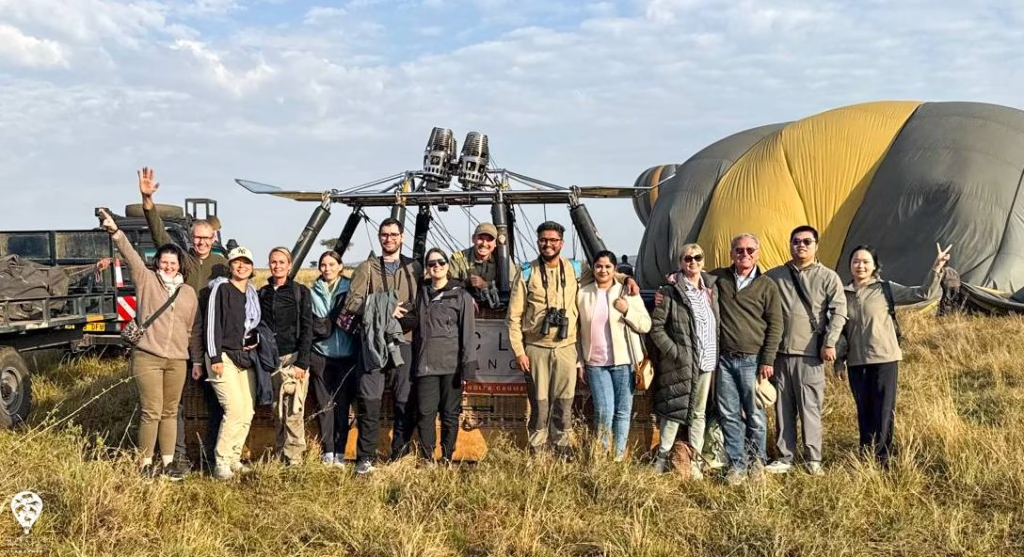
Hot air balloon safari in Serengeti
5.2 Hot Air Balloon Safari
If game drives are the heartbeat, this is the elevated perspective—literally.
Floating above the plains at dawn, you’ll watch the Serengeti wake up from the sky. Herds become patterns. Rivers carve through the land like veins. It’s quiet, surreal, and completely different from ground-level viewing.
The experience:
- Pre-dawn pickup → sunrise takeoff
- 45–60 minutes drifting over wildlife مناطق
- Finish with a bush breakfast in the wild
Cost vs Value:
- 💰 Typically $500–$600 per person
- Expensive—but not easily replaceable
👉 Is it worth it?
- Yes, if you want a once-in-a-lifetime perspective
- Maybe not, if your priority is maximizing wildlife sightings per dollar
✨The Serengeti doesn’t rush. Your days stretch, pause, and unfold. And somewhere in that stillness… the magic finds you.✨
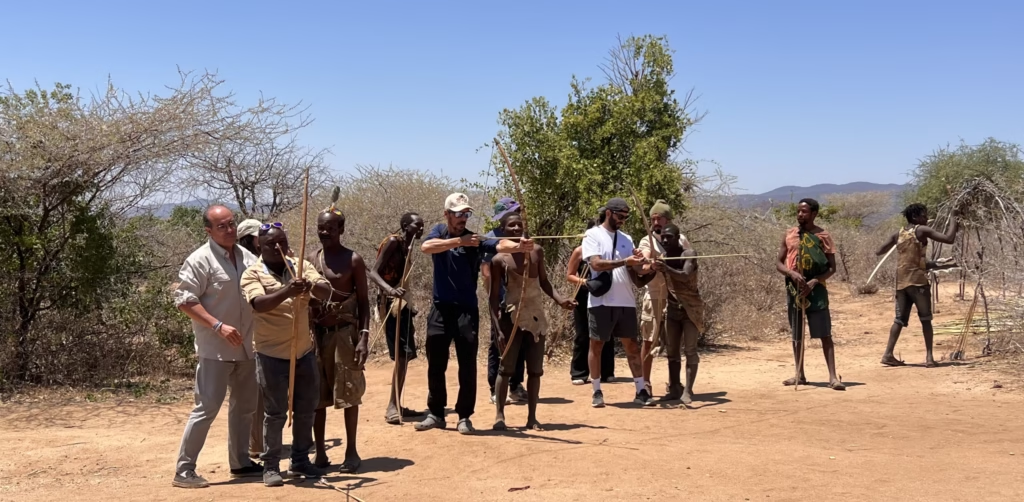
5.3 Walking Safaris
Step out of the vehicle, and Serengeti National Park changes completely.
Walking safaris strip away the distance. No engine. No metal frame. Just you, a guide, and the raw environment. The pace slows—and suddenly, the small things come alive.
What this experience really offers:
- A deeper, more intimate connection with the land
- Awareness of tracks, scents, sounds—details you’d never notice from a
- Insight into ecosystems: how plants heal, how animals communicate, how survival plays out beyond the obvious
You’re not chasing big. You’re learning how the entire system works.
👉 What you learn beyond animals:
- How to read footprints like a story
- Which plants are medicinal, toxic, or edible
- How predators and prey shape the landscape itself
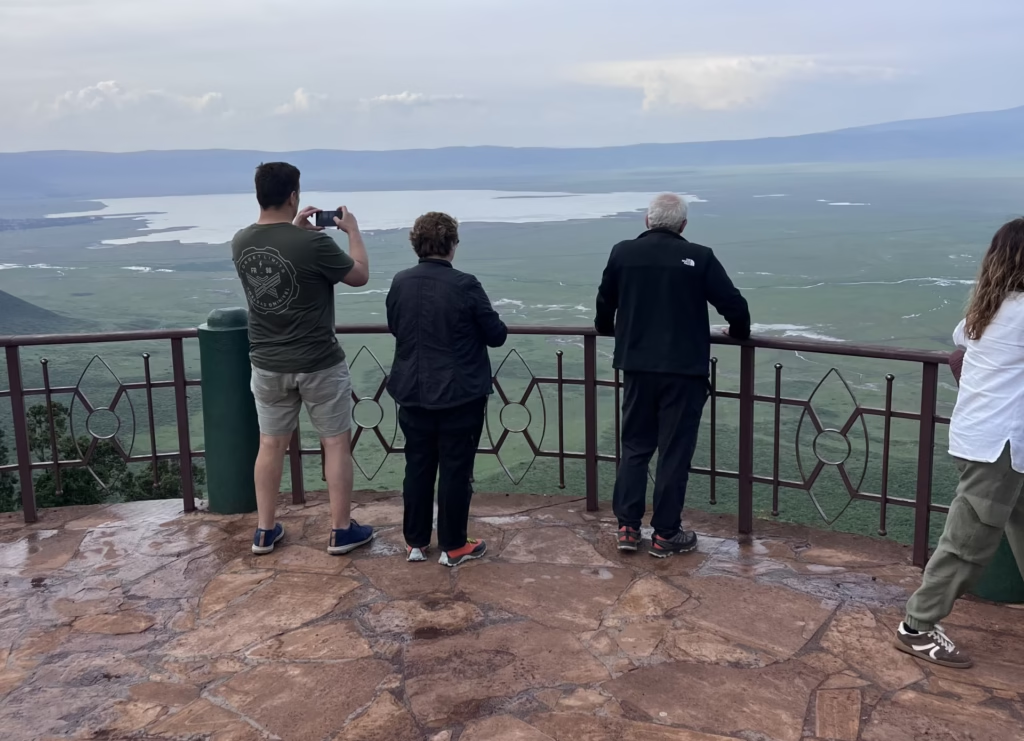
Ngorongoro Crater View Point
5.4 Day Trips to Ngorongoro Crater
A visit to Ngorongoro Crater is one of the most popular add-ons to a Serengeti safari—and for good reason.
This volcanic caldera acts like a natural enclosure, making it one of the best places in East Africa to spot rhinos, alongside dense populations of lions, elephants, and other wildlife.
What to expect:
- A full-day excursion (early start, long drive)
- Descent into the crater floor for concentrated game viewing
- High probability of multiple major sightings in a short time
Time & Cost Reality:
- Adds logistical complexity (transfers, permits, extra fees)
- Can feel rushed if squeezed into a tight itinerary
- Not cheap—but often considered worth it for the density of wildlife
⚠️ Honest Reality
Let’s cut through the fantasy:
- Vehicle congestion happens—especially at prime sightings like lions or rhinos
- You may share moments with multiple safari cars lined up side by side
- The idea of a completely isolated, cinematic safari? Not always realistic
And that’s the deeper truth—
✨The Serengeti and Ngorongoro don’t guarantee perfection. They offer something better: real, unscripted nature—with all its beauty, chaos, and compromise.✨
6. Costs, Crowds & Trade-Offs (The Truth Section)
Let’s strip away the brochure gloss and talk reality. Visiting Serengeti National Park is not just a trip—it’s a logistical operation in one of the most remote ecosystems on Earth. And that’s exactly why it comes at a price.
6.1 Why the Serengeti Is Expensive
The cost isn’t arbitrary—it’s layered:
- Park fees: Daily conservation fees are high, and they add up quickly
- Logistics: Everything—fuel, food, staff, supplies—must be transported into remote areas
- All-inclusive structure: Most lodges bundle accommodation, meals, guides, and vehicles
- Limited infrastructure: Fewer roads, fewer properties, higher operating costs
You’re not just paying for a room. You’re paying for access—to one of the last truly wild places on Earth.
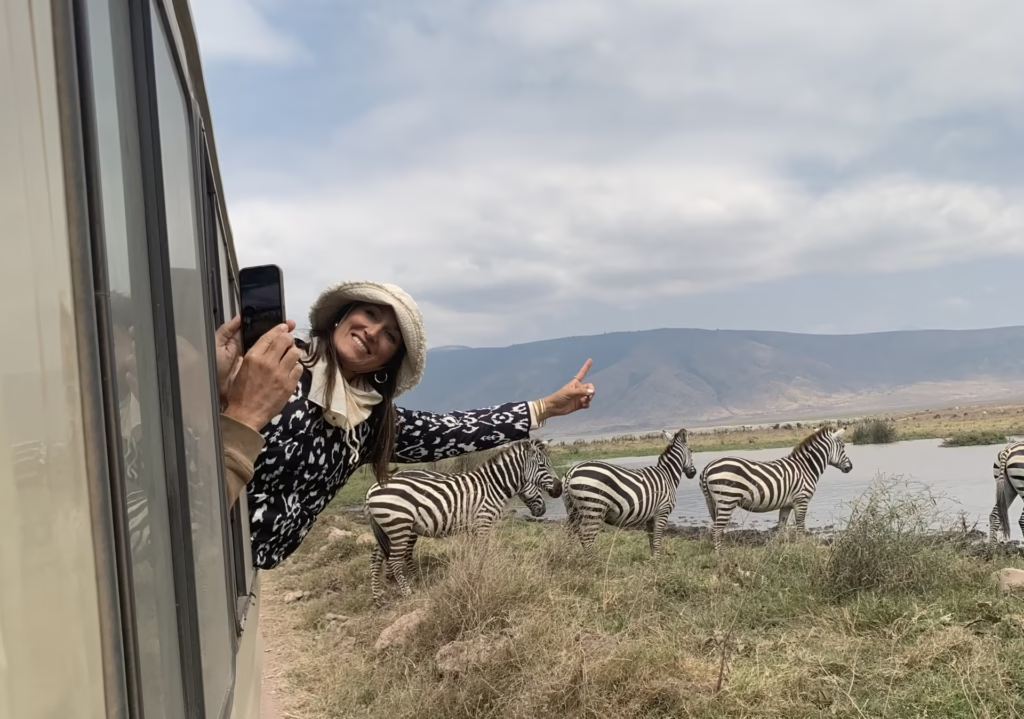
Ngorongoro Crater
6.2 Crowd Dynamics (Especially in Peak Season)
The Serengeti is vast—but wildlife isn’t evenly spread. When something significant happens, people gather.
- During peak months (June–October), popular sightings can attract multiple vehicles
- River crossings, big cats, or rare animals often become shared experiences
- Some areas feel remote and empty… others, unexpectedly busy
It’s not constant overcrowding—but it’s not complete isolation either. The reality sits somewhere in between.
6.3 Balancing Cost vs Experience
This is where smart planning changes everything.
- Pay more → better locations, fewer crowds, premium guiding
- Pay less → more compromises on comfort, location, and flexibility
- Travel off-peak → lower costs, fewer, but less predictable wildlife
👉 The key isn’t spending the most—it’s spending strategically.
Choose the right season for your goals. Pick locations, not just lodges. Stay flexible where possible.
✨Because in the Serengeti, the real luxury isn’t just comfort—it’s timing, positioning, and the rare feeling that, for a moment, you have the wild all to yourself.✨
Serengeti Hippo Pool
7. Practical Tips for 2026 Travelers
Planning a trip to Serengeti National Park isn’t just about choosing dates—it’s about playing the odds intelligently. The difference between a good safari and an unforgettable one often comes down to timing, positioning, and flexibility.
- Booking Strategy (Especially for Migration Camps)
If your goal is to witness the Great Migration up close, timing your booking is everything.
- Book 6–12 months in advance for peak season (June–October)
- Mobile camps that follow the migration? These sell out first—and fast
- Last-minute bookings = limited options + higher prices
👉 The trick: don’t just book a camp. Book the right camp in the right location at the right time.
- Choose the Right Region (Not Just the Lodge)
The Serengeti is massive—and wildlife moves. Staying in the wrong area at the wrong time can mean long drives or missed moments.
- Southern plains (Jan–Mar): calving season, predator action
- Western corridor (May–July): Grumeti River crossings
- Northern Serengeti (Jul–Oct): Mara River crossings
- Central (Seronera): reliable year-round wildlife
👉 Translation: Your location matters more than how fancy your lodge is.
Serengeti National Park Main Gate
- Flexibility = Better Safari Outcomes
Here’s the mindset shift that changes everything:
- The Serengeti doesn’t follow your itinerary
- Weather shifts. Wildlife moves. Plans adapt
Travelers who build in flexible dates or split locations dramatically increase their chances of catching key moments.
👉 Fixed expectations often lead to disappointment. Flexible plans? unlock opportunity.
- Road Conditions & Self-Drive Reality
Let’s be clear—this is not a casual road trip destination.
- Roads inside the park are rough, dusty, and sometimes muddy
- Navigation is limited; signage is minimal
- Distances are long, and breakdown support is not immediate
Self-drive is possible—but challenging, especially compared to places like Kruger. Most travelers are far better off with experienced guides who know how to read terrain and wildlife patterns.
✨In the Serengeti, preparation gives you access—but flexibility is what turns access into magic.✨
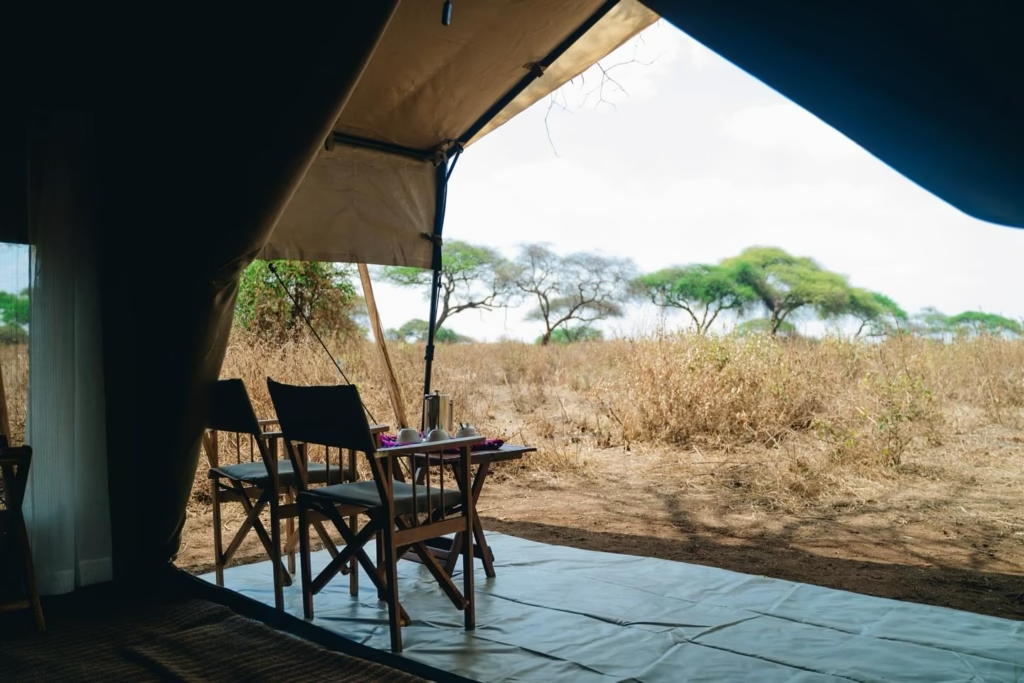
Camping in Ndutu
8. Conclusion: Is Serengeti Worth It in 2026?✨
So—after all the costs, the planning, the long drives, and the unpredictability—is it actually worth it?
At Serengeti National Park, the answer isn’t simple—but it is clear.
This isn’t a perfect destination.
It’s not polished, not predictable, and definitely not cheap.
You’ll face moments of stillness. You might question the value during a slow game drive. You may even feel the friction—dust.
But then… something happens.
A lion locks eyes with you across the plains.
A herd moves like thunder in the distance.
A single moment unfolds that no camera, no documentary, no expectation could have prepared you for.
And suddenly, it makes sense.
⚖️ The Balanced Verdict
- ❌ Not perfect – nature doesn’t perform on cue
- ❌ Not cheap – one of Africa’s most premium safari destinations
- ✅ But undeniably powerful – raw, real, and deeply human in a way few places are
✨Final Thought
The Serengeti doesn’t reward those who come chasing a checklist.
It rewards those who come with patience.
Let go of expectations, and it gives you something better—
✨an experience that feels earned, not delivered.✨
Frequently Asked Questions (FAQs)✨
1. How much are Serengeti entry fees in 2026?
Entry fees for Serengeti National Park are typically around $70–$85 per adult per day (non-residents), excluding VAT.
- Additional costs may include vehicle fees, concession fees, and camping fees
👉 These are usually included in tour packages—but always confirm to avoid surprises.
2. Is the Serengeti safe for travelers?
Yes—safaris are generally very safe when done through licensed operators.
- Guides are trained and experienced
- Wildlife encounters are controlled and regulated
⚠️ The real risks come from ignoring rules (e.g., getting out of vehicles in unsafe areas). Follow your guide, and you’ll be fine.
3. What is the best itinerary length for the Serengeti?
- Minimum: 3 days (very rushed)
- Ideal: 4–6 days (balanced experience)
- Best: 7+ days (multiple regions + higher wildlife chances)
👉 The longer you stay, the more you increase your odds of meaningful sightings.
4. When is the best time to visit the Serengeti?
It depends on what you want:
- Jan–Mar: Calving season (predators + baby animals)
- Jun–Oct: River crossings (dramatic but crowded)
- Nov–May: Fewer الناس, greener landscapes
✨There’s no single “best”—only the best for your goal.
5. Can I see the Big Five in one trip?
Yes—but not guaranteed.
Big Five sightings depend on time, location, and luck.
- Lions & elephants are common
- Leopards require patience
- Rhinos are rare (more likely in Ngorongoro Crater)
6. Is a self-drive safari in the Serengeti a good idea?
For most travelers—no.
- Roads are rough and poorly marked
- Wildlife tracking requires experience
- Distances are vast
👉 Guided safaris offer better sightings, safety, and overall experience.
7. How far in advance should I book?
- Peak season: 6–12 months ahead
- Migration camps: even earlier if possible
Waiting too long means higher prices and fewer—especially in prime
8. What should I realistically expect from a safari?
Not constant action. Not perfection.
- Some drives will be quiet
- Some moments will be unforgettable
- Wildlife is unpredictable
✨The Serengeti rewards patience—not expectations. And that’s exactly what makes it extraordinary.✨