
Tanzania Safari Safety: Everything You Need to Know
Table of Contents
Toggle1. Introduction: Is Safari in Tanzania Safe?
Is safari in Tanzania safe? The short answer is yes—Tanzania safaris are generally very safe, especially when travelers follow established safety rules and book their trip with reputable, licensed safari operators. Every year, hundreds of thousands of visitors explore Tanzania’s famous wildlife destinations without incident, enjoying one of the most extraordinary travel experiences on Earth.
Tanzania has long been considered one of the safer safari destinations in Africa, particularly within its protected national parks. Places like the Serengeti and Ngoro Ngoro Conservation Area operate under well-established management systems that include ranger patrols, strict visitor regulations, and carefully designed tourism infrastructure. These systems are in place specifically to protect both wildlife and visitors.
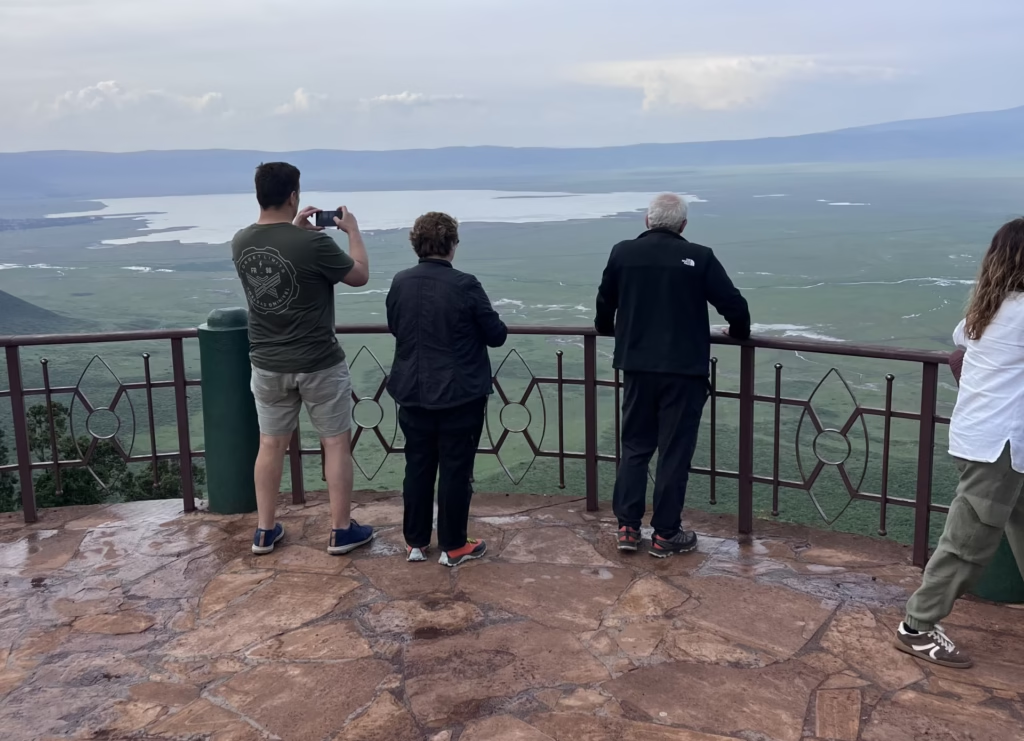
Nggorongoro View Point
That said, it’s important to remember that a safari takes place in real, untamed wilderness. You are sharing the landscape with wild animals that follow natural instincts, not predictable routines. Because of this, safari safety relies on clear protocols—rules about staying inside vehicles, maintaining distance from wildlife, and following guidance from trained professionals. These rules are not restrictions; they are the reason safaris remain such a safe and enjoyable adventure.
“For travelers ready to experience Tanzania safely and in style, consider our 8-Day Big 5, Wildebeest Migration & Cultural Safari—a complete adventure with expert guides, luxury lodges, and safe game drives.”
The safety of a Tanzania safari rests on several key pillars: well-managed national parks, secure safari lodges and camps, purpose-built safari vehicles, and experienced professional guides who understand the environment better than anyone. Together, these elements create a structured and carefully managed experience within the wild.
In this guide, we’ll explore exactly why safaris in Tanzania are safe, how parks and lodges protect visitors, the essential safety rules during game drives, and why an experienced safari guide plays such a critical role in keeping travelers safe. By the end, you’ll have a clear and realistic understanding of what to expect—and why a Tanzania safari remains one of the world’s safest and most rewarding wildlife adventures
Contact our safari team today to start planning your customized Tanzania safari adventure.✨
✨Get a free custom safari itinerary from our local experts.✨
2. Safety in Tanzania’s National Parks
One of the main reasons a safari in Tanzania is considered safe is the way the country’s national parks are carefully managed and regulated. While visitors are entering true wilderness filled with wild animals, the safari environment is not chaotic or uncontrolled. Instead, it operates under a structured system designed to protect wildlife, ecosystems, and the people who come to experience them.
Tanzania’s protected areas are overseen by national conservation authorities that enforce clear rules and operational standards. These regulations shape how tourism activities—such as game drives, lodge operations, and visitor movement—take place within the parks. The result is a balance where travelers can explore extraordinary wildlife landscapes while maintaining a high level of safety.
2.1 How Tanzania’s Parks Are Managed
National parks across Tanzania operate under a strong management system that combines conservation, security, and tourism regulation. Trained park rangers are stationed throughout protected areas to monitor wildlife activity, patrol park boundaries, and ensure that both visitors and tour operators follow established guidelines.
Rangers and park authorities play a critical role in maintaining safety. They conduct regular patrols, monitor animal movements, and respond to any unusual situations that may arise. Their presence also helps deter illegal activities such as poaching, which further strengthens the overall security of the parks.
Strict visitor regulations are another important layer of protection. Safari guests are required to remain inside vehicles during game drives, follow designated tracks, and maintain safe distances from wildlife. These rules significantly reduce the chances of dangerous interactions with animals and ensure that the wildlife remains undisturbed.
In addition to ranger patrols, ongoing conservation oversight helps maintain the health and stability of the ecosystem. Wildlife populations, habitats, and tourism activity are constantly monitored to ensure the parks remain both safe for visitors and sustainable for the animals that live there.
Because of this structured management approach, Tanzania’s national parks provide a unique environment where people can safely witness wildlife in its natural habitat while benefiting from the protection of a carefully supervised conservation system. ✨
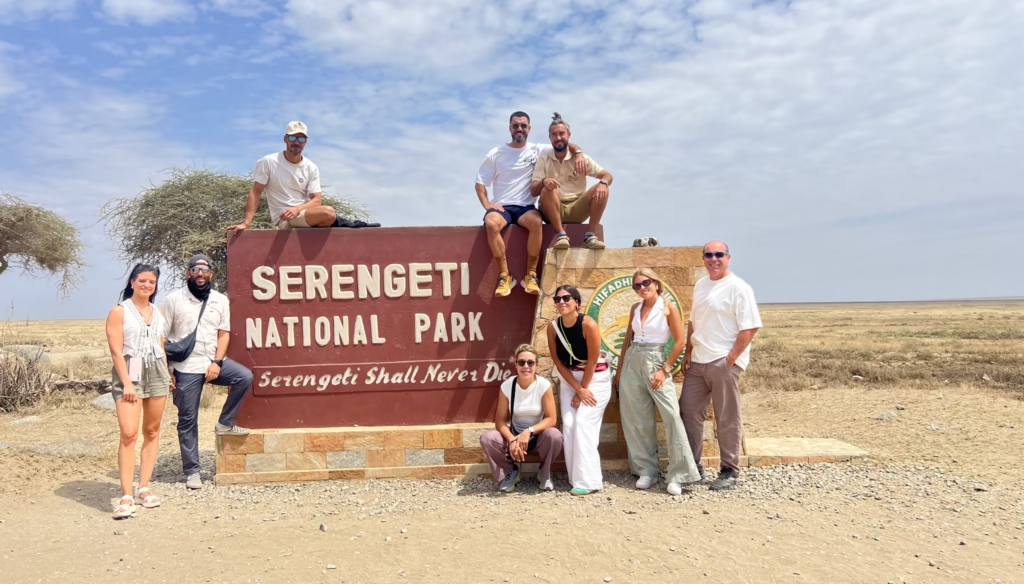
Serengeti Nabi Gate
2.2 Rules That Keep Tourists Safe During Game Drives
Game drives are the heart of any Tanzania safari, offering close encounters with lions, elephants, giraffes, and countless other species. To ensure these encounters remain both thrilling and safe, national parks enforce a few simple but essential rules that every visitor must follow.
- Stay inside the vehicle.
Safari vehicles are designed to provide a safe viewing platform. Wild animals generally perceive a vehicle as a single, non-threatening object. However, when a person steps out, that illusion disappears and animals may react unpredictably. For this reason, visitors are required to remain inside the vehicle except at designated picnic or restroom areas. - Do not feed wildlife.
Feeding animals is strictly prohibited in all parks. Providing food can change natural animal behavior, making wildlife associate vehicles with food and increasing the risk of aggressive interactions. It also disrupts the natural balance of the ecosystem. - Maintain safe distances.
Professional guides position vehicles carefully to allow excellent viewing without disturbing animals. Getting too close can stress wildlife or provoke defensive behavior, especially with animals such as elephants, buffalo, or lions protecting cubs. - Keep noise levels low.
Loud voices, sudden movements, or unnecessary noise can disturb wildlife and disrupt natural behavior. Keeping conversations quiet not only helps maintain safety but also improves the chances of observing authentic animal interactions.
Following these rules ensures that wildlife encounters remain respectful, natural, and safe for everyone involved.
“Our 8-Day Great Migration Focus Safari is designed with safety and comfort in mind, giving you close-up wildlife experiences while following all park protocols.”
2.3 Wildlife Risks: Understanding the Reality
Because safaris take place in wild environments, many travelers naturally wonder about the risk of animal attacks. In reality, wildlife attacks on tourists during Tanzanian safaris are extremely rare. Each year, large numbers of visitors explore the country’s national parks without experiencing any dangerous encounters.
Most wildlife incidents that do occur are typically linked to situations where established safety rules were ignored—such as leaving a vehicle without permission, approaching animals too closely, or attempting to interact with wildlife. When visitors follow park regulations and listen to their guides, the likelihood of any danger becomes very small.
In fact, animals in Tanzania’s safari regions are generally accustomed to the presence of vehicles and tend to ignore them when proper distance and quiet behavior are maintained. This allows travelers to observe extraordinary wildlife moments safely while respecting the natural instincts of the animals.
Understanding this balance is key: safaris offer access to genuine wilderness, but clear safety guidelines and experienced guiding make the experience remarkably secure for visitors. ✨
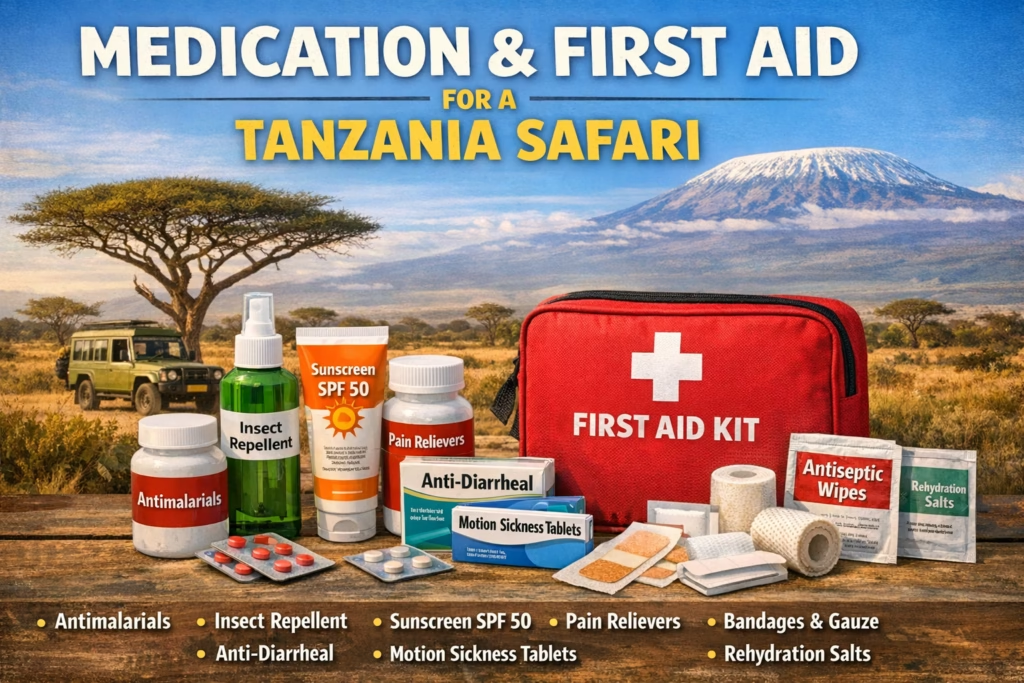
First AID Kit For Tanzania Safari
2.4 Health Safety in Safari Parks
Health safety is another important aspect of preparing for a Tanzania safari. While the environment is generally safe for travelers, taking a few basic precautions helps ensure a comfortable and healthy experience throughout the trip.
Malaria precautions are one of the most common considerations when visiting safari regions. In many parts of Tanzania, mosquitoes are present, particularly in the evenings. Travelers are advised to use insect repellent, wear long sleeves or light clothing at night, and sleep under mosquito nets provided by most safari lodges and camps. Many accommodations also take additional measures such as mosquito control around guest areas to reduce exposure.
Hydration and sun protection are equally important during game drives. Safari days often involve long hours outdoors under the African sun. Drinking plenty of water, wearing a wide-brim hat, applying sunscreen, and using sunglasses can help prevent dehydration and sunburn. Most safari vehicles and lodges provide drinking water to keep guests comfortable during excursions.
With these simple health precautions in place, travelers can focus on enjoying the incredible wildlife and landscapes that make a Tanzania safari so special.
2.5 Crime and Security in Safari Areas
One reassuring aspect for travelers is that crime is extremely rare within Tanzania’s national parks and safari areas. These protected regions are remote, tightly regulated, and monitored by park authorities and rangers, making them very secure environments for visitors.
Petty crime—such as pickpocketing or theft—is almost nonexistent inside the parks themselves. Access to these areas is controlled through official gates, and the majority of people present are park staff, licensed guides, and tourists staying at lodges or camps.
Additionally, safari zones are geographically isolated from urban centers, where most typical travel-related crimes occur. Visitors typically spend their time inside national parks or at safari lodges, far from city environments.
As with travel anywhere in the world, basic awareness is always recommended—such as keeping personal belongings secure and following lodge guidelines. However, within the safari environment itself, Tanzania remains one of the safest places in Africa to experience wildlife tourism. ✨
Explore Tanzania’s national parks with experienced professionals who prioritize your safety?✨
✨Tell us your travel dates and we’ll design a personalized Tanzania safari for you.✨
3. Safety at Safari Lodges and Camps
For many first-time travelers, one of the biggest questions about a safari is not just seeing wildlife during the day—but sleeping in the middle of the wilderness at night. The idea of lions roaring nearby or elephants walking past a tent can sound intimidating at first. In reality, safari lodges and camps across Tanzania are carefully designed to balance authentic wilderness experiences with strong safety measures that protect guests.
Whether you stay in a luxury lodge or a classic tented camp, accommodations inside or near national parks operate under strict safety procedures developed through decades of safari tourism. Staff are trained to manage wildlife encounters, guide guest movement safely around the property, and ensure visitors remain comfortable even in areas where animals naturally roam.
3.1 How Lodges Protect Guests
Safari lodges and camps use several layers of protection to ensure guest safety while maintaining the natural atmosphere that makes the safari experience so unique.
- Perimeter fencing where appropriate.
Some lodges—especially those located near park boundaries or in conservation areas—use discreet perimeter fencing to prevent large animals from entering guest areas. In more remote camps located inside parks, the design of the camp itself, along with careful placement, helps naturally discourage wildlife from moving through guest spaces. - Night guards and trained staff.
Many safari camps employ trained night guards who patrol the property after dark. Their role is to monitor wildlife activity near the camp and ensure guests move safely between dining areas and their rooms if needed. Staff members are experienced in understanding animal behavior and responding calmly if wildlife approaches the camp. - Safety briefings on arrival.
When guests arrive at a lodge or tented camp, staff typically provide a short safety briefing. This includes practical guidelines such as staying on designated paths, avoiding walking alone at night, and requesting an escort when moving around the camp after dark. These briefings ensure that every guest understands how to safely enjoy the environment.
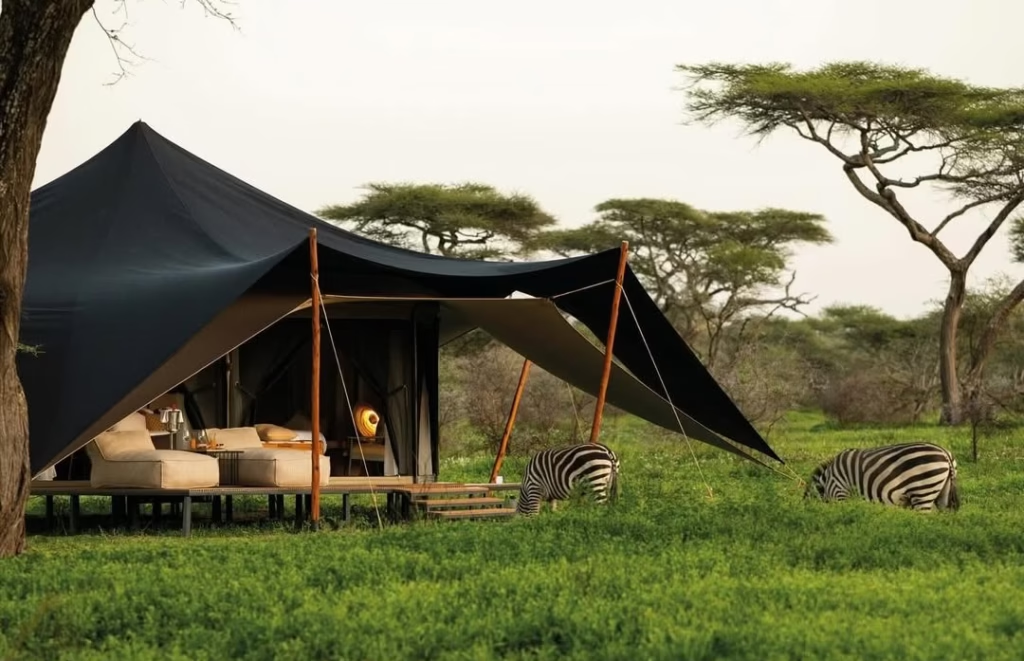
Luxury Camp In Serengeti Ndutu Region
3.2 Wildlife Near Camps: What Guests Should Expect
One of the most magical aspects of a Tanzania safari is that wildlife truly lives all around you—even near your lodge or camp. It is not uncommon for animals such as antelope, zebras, or even elephants to occasionally pass near camps while moving through their natural habitats.
However, safari accommodations are designed with specific protocols to prevent dangerous encounters. Staff monitor wildlife movements around the property, guide guests when necessary, and ensure that activities within the camp are conducted safely.
Guests are also encouraged to follow simple rules—such as remaining in well-lit areas at night and calling for an escort if needed. These measures allow visitors to safely enjoy the unique thrill of being immersed in nature while maintaining a secure environment.
In practice, these systems work extremely well. For most travelers, the closest wildlife encounter at their lodge might simply be hearing lions roar in the distance or spotting animals quietly passing beyond the camp lights—an unforgettable reminder that they are truly in the heart of Africa’s wilderness. ✨
“Travelers looking for a worry-free stay can choose our 7-Day All-Inclusive Luxury Family Safari, staying in lodges with trained staff, perimeter safety, and top-rated facilities near wildlife.”
3.3 Guest Rules That Ensure Safety
While safari lodges and camps are designed with strong safety systems, guest cooperation is an important part of maintaining a secure environment. The rules provided by lodge staff are simple, practical, and based on years of experience operating in wildlife areas.
- Do not walk alone at night.
After sunset, wildlife may move more actively around safari areas. Even if animals are not visible, they could be nearby in the darkness. For this reason, guests are advised not to walk between rooms, dining areas, or other parts of the lodge on their own at night. - Use staff escorts.
Most safari lodges offer staff escorts after dark. A trained staff member will walk with guests between areas of the camp using flashlights and knowledge of the surroundings to ensure safe movement. This is a standard practice in many camps and an easy way to avoid unexpected wildlife encounters. - Follow lodge safety instructions.
Every safari lodge provides clear safety guidelines when guests arrive. These may include staying on designated pathways, keeping tent doors zipped, and avoiding leaving food outside. Following these instructions helps staff maintain a safe environment for both guests and wildlife.
These simple precautions allow travelers to enjoy the wilderness atmosphere of safari camps while minimizing any potential risks.
3.4 Choosing Safe Lodges
Another important factor in safari safety is selecting the right lodge or camp. Tanzania offers a wide range of safari accommodations, and choosing reputable options can make a significant difference in both safety and overall experience.
Importance of reputable operators.
Well-established safari operators carefully select the lodges and camps they work with, ensuring they meet safety, service, and operational standards. These properties typically have trained staff, clear safety procedures, and strong relationships with park authorities.
Guest reviews and park presence as indicators of safety.
Travelers can also look at guest reviews and the reputation of a lodge within the safari industry. Lodges that operate within national parks or established conservation areas often follow strict regulations and safety protocols. Consistently positive feedback from previous guests is usually a strong indicator that a property maintains high safety and service standards.
By choosing experienced operators and trusted accommodations, travelers greatly reduce risks and can focus on what matters most—fully enjoying the incredible wildlife and landscapes of a Tanzania safari.
Curious about the best and safest safari lodges in Tanzania?✨
✨Ask us anything about Tanzania safaris—parks, lodges, or travel safety.✨
4. Safari Vehicle Safety Rules
Safari vehicles play a central role in keeping travelers safe while exploring Tanzania’s national parks. During a game drive, the vehicle is not just transportation—it acts as a protective viewing platform that allows visitors to observe wildlife up close without disturbing the animals or placing themselves at risk.
Professional safari operators follow strict vehicle safety standards and clear rules that guests are expected to follow during game drives. These simple guidelines help ensure that wildlife encounters remain safe, respectful, and enjoyable for everyone on board.
4.1 Purpose-Built Safari Vehicles
Safari tours in Tanzania typically use specialized 4×4 vehicles designed for the unique conditions of wildlife areas. National parks often have rough dirt tracks, steep descents, rocky paths, and seasonal mud during the rainy months. Four-wheel-drive vehicles provide the traction and stability needed to navigate these landscapes safely.
Most safari vehicles are also designed with elevated seating and pop-up roofs or open viewing sections. This design allows guests to stand or sit comfortably while observing animals, taking photographs, and enjoying wide views of the surrounding savanna. At the same time, the vehicle’s structure maintains a clear boundary between visitors and wildlife, which helps animals remain calm and uninterested in the presence of people.
In addition to their design, well-maintained safari vehicles are regularly inspected and operated by experienced drivers who understand the terrain of each park.
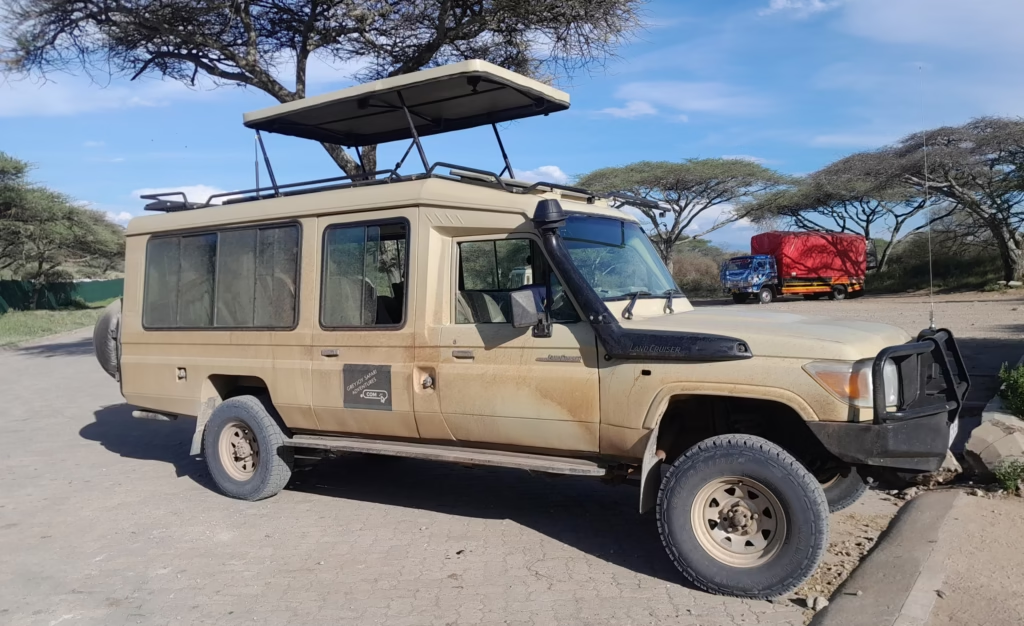
4×4 Safari Vehicle
4.2 Essential Safety Rules During Game Drives
To maintain safety while viewing wildlife, national parks and safari guides enforce a few important rules during every game drive.
- Stay inside the vehicle.
Remaining inside the vehicle is the most important rule on safari. Animals are accustomed to the shape and presence of vehicles and usually ignore them. Stepping outside can change how animals perceive the situation and may trigger defensive or unpredictable reactions. - Keep arms and legs inside.
Even when animals appear calm, guests should keep their arms, legs, and cameras within the vehicle. Reaching outside can disturb wildlife or bring people unnecessarily close to animals. - Exit only in designated areas.
Visitors may only leave the vehicle at official picnic sites, rest areas, or other locations specifically approved by park authorities. These areas are selected because they are considered safe and are regularly monitored.
By following these straightforward rules and listening carefully to their guides, travelers can enjoy remarkable wildlife sightings while maintaining a safe and respectful distance from the animals that make a Tanzania safari so extraordinary. ✨
“All our safaris, including the 9-Day Safari and Beach Retreat, use fully maintained 4×4 vehicles driven by licensed guides who know every trail and terrain across Tanzania.”
4.3 Road and Terrain Risks
While safari vehicles are designed for off-road conditions, the landscapes inside Tanzania’s national parks can still present natural driving challenges. Game drives often take place on unpaved dirt tracks that cross open savannas, woodlands, riverbeds, and volcanic highlands. These routes are part of what makes the safari experience authentic—but they also require careful driving.
Rough terrain and steep descents are common in several safari areas. Some parks include rocky paths, uneven ground, and steep slopes that must be navigated slowly and carefully. For example, crater landscapes, hills, and escarpments require drivers to control speed and maintain stability while descending or climbing.
Another factor is mud during the rainy seasons. When rains arrive, certain tracks can become slippery or deeply muddy, which may affect traction and vehicle handling. Experienced safari drivers know how to adapt to these conditions by choosing safer routes, adjusting speed, and using proper driving techniques to avoid getting stuck or losing control.
Because of these natural conditions, having a skilled driver who understands the terrain is essential for maintaining safety during game drives.
4.4 Why Speed and Maintenance Matter
Although safari incidents are extremely uncommon, the most frequently reported safety issues involve vehicle accidents, such as rollovers or loss of control on difficult terrain. These situations are typically linked to factors like excessive speed, poor driving decisions, or inadequate vehicle maintenance.
Responsible safari operators place strong emphasis on safe driving practices. Professional guides are trained to drive slowly in wildlife areas, maintain control on steep or uneven roads, and avoid risky maneuvers that could endanger passengers.
Vehicle maintenance is equally important. Well-operated safari companies regularly inspect their vehicles to ensure that brakes, tires, suspension systems, and other key components are functioning properly. Reliable equipment reduces the chances of mechanical problems while traveling through remote environments.
For travelers, the takeaway is simple: choosing a reputable safari operator with experienced drivers and properly maintained vehicles greatly reduces risk and helps ensure that game drives remain both safe and enjoyable throughout the safari experience. ✨
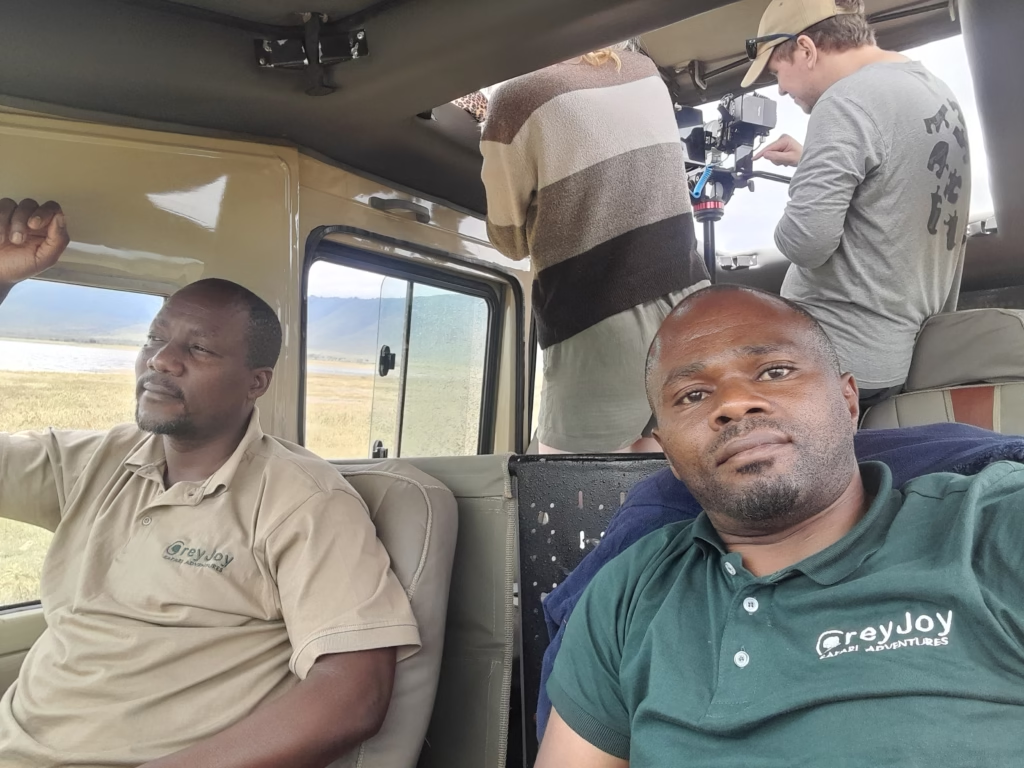
Grey Joy Safari Adventure Guide ( Imma, Edwin)
5. Why Experienced Safari Guides Are the Key to Safety
Among all the safety systems that make a Tanzania safari secure—well-managed parks, structured lodges, and specialized vehicles—the most important safety factor is the experience of the safari guide. A professional guide does far more than drive a vehicle or point out animals. They act as the eyes, ears, and decision-makers who constantly monitor the environment to keep guests safe while delivering an unforgettable wildlife experience.
Experienced guides understand the landscape, the animals, the road conditions, and the safety regulations that govern national parks. Their knowledge allows them to anticipate situations long before they become problems, ensuring that game drives remain both exciting and controlled.
5.1 Professional Training and Skills
Professional safari guides in Tanzania typically undergo extensive training before leading visitors into wildlife areas. Their expertise combines technical knowledge, field experience, and emergency preparedness, all of which contribute to guest safety.
Wildlife behavior knowledge.
Guides study the habits and behavior patterns of animals found in the parks. They understand how different species react to vehicles, human presence, or environmental changes. This knowledge helps them position vehicles safely while still allowing guests to observe incredible wildlife moments.
- Navigation skills.
Safari areas cover vast landscapes with many dirt tracks, seasonal routes, and remote locations. Experienced guides are skilled navigators who know how to safely move through these areas while avoiding difficult terrain or unsafe road conditions. - First aid training.
Many professional guides are trained in first aid and basic emergency response. While medical situations on safari are rare, guides are prepared to respond quickly and coordinate assistance if needed, especially in remote areas far from major towns.
Together, these skills allow guides to manage the safari environment confidently and responsibly.
5.2 Reading Animal Behavior
One of the most valuable abilities a safari guide possesses is the skill of reading animal behavior. While wildlife may appear calm to visitors, trained guides can recognize subtle signs that indicate stress, curiosity, or potential aggression.
Guides watch for early warning signals such as changes in posture, vocalizations, ear movements, or protective behavior around young animals. These cues help them detect situations that tourists might easily overlook.
By recognizing these signals early, guides can adjust the vehicle’s position, maintain a safe distance, or leave the area before any tension develops. This proactive approach prevents dangerous proximity to wildlife and keeps encounters safe for both guests and animals.
Because of their training and constant awareness, experienced safari guides form the front line of safety on any Tanzania safari, ensuring that travelers can enjoy close wildlife encounters with confidence and peace of mind. ✨
“Booking with licensed operators is essential. Our 8-Day Big 5, Wildebeest Migration & Cultural Safari ensures you have a professional guide trained in wildlife behavior, first aid, and park safety.”
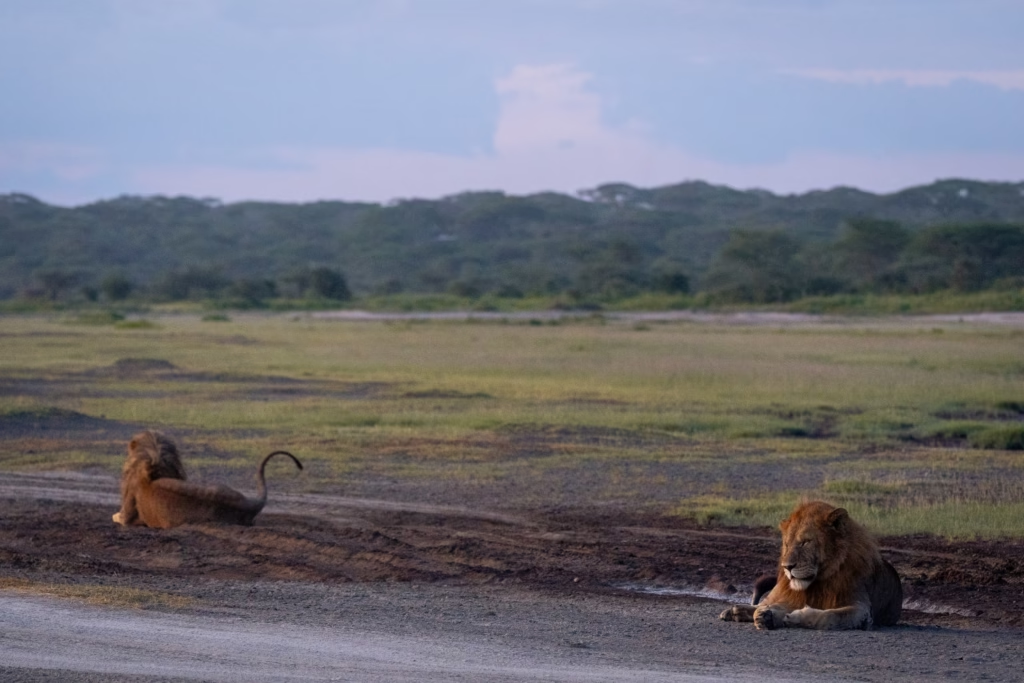
Lions in the Serengeti During Rain Season.
5.3 Enforcing Park Safety Regulations
Safari guides do more than lead wildlife sightings—they also act as the primary enforcers of park safety regulations. National parks in Tanzania operate under clear rules designed to protect both visitors and wildlife, and guides are responsible for making sure these rules are followed throughout the safari.
- Ensuring tourists follow park rules.
During game drives, guides remind guests to remain inside the vehicle, keep noise levels low, and maintain a respectful distance from animals. They also decide where it is safe to stop for wildlife viewing and when it is necessary to move away. These decisions are based on both park regulations and their understanding of animal behavior. - Adhering to conservation regulations.
Guides must also follow strict conservation guidelines that protect the natural environment. This includes staying on designated tracks, avoiding off-road driving in restricted areas, and respecting wildlife movement patterns. These rules not only preserve the ecosystem but also reduce the risk of unexpected wildlife encounters.
By consistently applying these regulations, professional guides create a controlled environment where visitors can safely observe wildlife without disturbing the delicate balance of the park.
5.4 Importance of Booking Licensed Operators
Another critical aspect of safari safety is choosing a licensed and reputable safari operator. Tanzania has many excellent tour companies, but not all operators meet the same professional standards.
- TATO-certified operators.
Many of the most reliable safari companies are members of the Tanzania Association of Tour Operators (TATO). Membership in this organization often indicates that a company follows industry standards for safety, training, and responsible tourism practices. - Avoiding unlicensed drivers linked to safety risks.
Unlicensed operators or informal drivers may lack proper training, experience, or well-maintained vehicles. In some rare cases, safari incidents have been linked to inexperienced drivers or poorly maintained vehicles operated outside official tourism standards.
For travelers, booking through a licensed and reputable operator ensures access to qualified guides, reliable vehicles, and adherence to national park regulations. This simple step greatly increases the overall safety and quality of the safari experience. ✨
Plan your trip with experienced local guides who know Tanzania’s parks and wildlife inside out.✨
✨A professional guide makes all the difference on safari.✨
6. Real Safari Incidents: What Travelers Should Understand
Safaris in Tanzania are widely considered safe, especially when visitors follow established guidelines and travel with experienced operators. However, like any form of adventure travel, it is important to acknowledge that incidents can occasionally occur. Understanding these rare situations helps travelers appreciate why safety rules and professional guiding are taken so seriously.
The key point is perspective: millions of visitors explore Tanzania’s national parks every year without problems. When incidents do happen, they are typically linked to avoidable factors such as poor driving practices or ignoring safety instructions.
6.1 The Most Common Safari Risk: Vehicle Accidents
Among the very small number of safari-related incidents that occur, vehicle accidents are the most common type. Game drives take place on natural dirt roads that pass through rough landscapes, including rocky tracks, steep slopes, and seasonal riverbeds.
Several factors can contribute to these rare accidents. Speeding on uneven terrain, difficult road conditions, or inadequate vehicle maintenance can increase the risk of rollovers or mechanical problems. In some areas, steep descents and muddy tracks during the rainy season require extra caution and skilled driving.
Reputable safari operators work hard to minimize these risks by using well-maintained 4×4 vehicles and experienced drivers who understand the terrain and drive cautiously. Choosing a trusted operator is one of the most effective ways travelers can reduce risk during a safari.
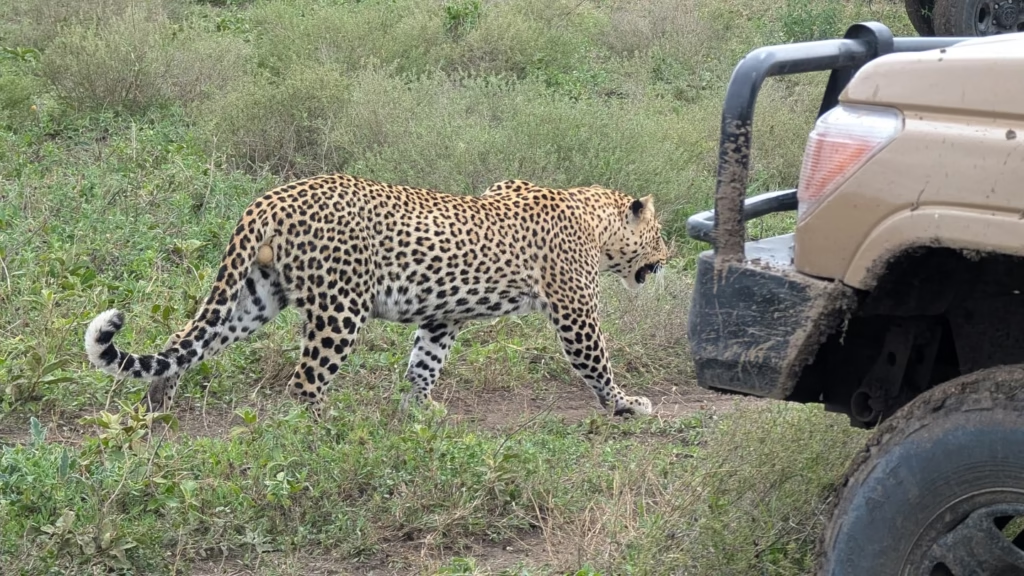
Leopard In Serengeti
6.2 Rare Wildlife Incidents
Wildlife incidents involving tourists are extremely uncommon during safaris in Tanzania. Most animals in national parks are accustomed to safari vehicles and typically ignore them when visitors remain inside and follow park regulations.
In the rare situations where wildlife incidents occur, they are often connected to violations of safety rules—such as leaving the vehicle without permission, approaching animals too closely, or attempting to interact with wildlife. These actions can provoke defensive behavior from animals that would otherwise remain calm.
Professional safari guides are trained to prevent these situations by maintaining safe distances and monitoring animal behavior closely. When visitors follow their guide’s instructions, wildlife encounters remain safe and respectful.
Ultimately, understanding these rare incidents reinforces an important message: safety on safari depends largely on following established guidelines and trusting the expertise of experienced guides. When those principles are respected, a Tanzania safari remains one of the safest ways to experience wildlife in its natural environment. ✨
“While incidents are rare, traveling with a reputable operator like ours, whether on the 8-Day Great Migration Focus Safari or 7-Day Luxury Family Safari, ensures strict adherence to all safety protocols.”
6.3 Lodge Incidents and Protocol Failures
Although safari lodges and camps in Tanzania operate with strong safety procedures, very rare incidents have occurred in the past, usually linked to failures in safety protocols rather than the normal operation of a camp.
Most safari accommodations are designed and managed to minimize wildlife risks through trained staff, controlled guest movement, and clear safety guidelines. However, on rare occasions, incidents have been associated with poor camp setup, inadequate supervision, or guests ignoring safety instructions, such as leaving tents at night without an escort or walking outside designated areas.
These situations are exceptions rather than the norm. Well-managed lodges take safety extremely seriously, providing staff escorts after dark, conducting safety briefings, and maintaining constant awareness of wildlife activity around the camp. When these procedures are followed properly, the chances of any dangerous encounter remain extremely low.
6.4 Why These Incidents Are Rare
Despite the wilderness setting, safari incidents remain very uncommon when compared to the large number of visitors traveling to Tanzania every year. Millions of tourists have safely explored the country’s national parks, staying in lodges and participating in game drives without experiencing any safety problems.
One reason for this strong safety record is the strict system of regulations governing safari tourism. National park authorities enforce clear rules for vehicles, visitor behavior, and lodge operations. At the same time, professional guides and trained lodge staff actively monitor conditions and ensure that guests follow these guidelines.
This combination of structured regulations, experienced professionals, and visitor cooperation significantly reduces risk. As a result, while isolated incidents may occasionally occur—as they can in any travel setting—the overall safari experience in Tanzania remains remarkably safe for travelers who follow established safety practices. ✨
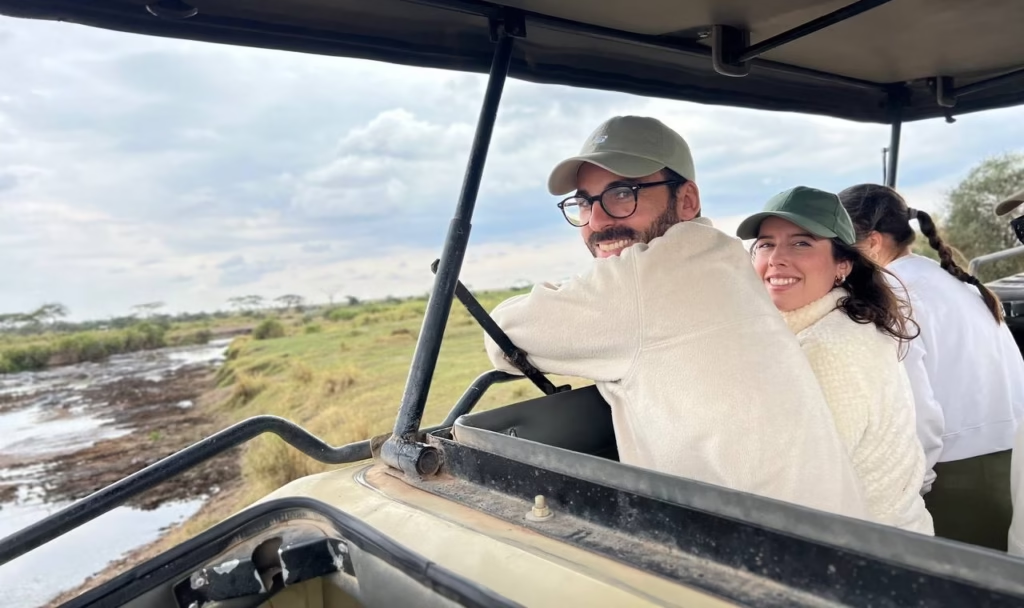
Hippo Pool in Serengeti
7. Final Answer: Is Safari in Tanzania Safe?
So, is safari in Tanzania safe? The clear answer is yes. Tanzania safaris are widely considered safe when travelers follow basic guidelines and book their trips with reputable, licensed safari operators. The country has built a strong reputation as one of Africa’s most reliable safari destinations thanks to well-managed parks, professional guides, and structured tourism regulations.
Across Tanzania’s major safari regions, national parks, lodges, and tour operators operate under strict safety protocols designed to protect both visitors and wildlife. Rangers patrol protected areas, lodges maintain clear safety procedures, and safari vehicles are operated by trained guides who understand the terrain and the behavior of wild animals.
The most important factor in safari safety is responsible travel combined with experienced guiding. When guests listen to their guide’s instructions, remain inside vehicles during game drives, and follow lodge safety rules, the risks associated with wildlife environments are greatly reduced.
With proper preparation and the right operator, a Tanzania safari becomes not only safe but also one of the most extraordinary travel experiences in the world. Instead of worrying about safety, travelers can focus on what truly makes the journey unforgettable—watching lions roam the savanna, witnessing elephants crossing ancient landscapes, and experiencing the rich cultures and natural beauty that define Tanzania.
In short, the systems are in place, the professionals are trained, and the wilderness is ready to be explored. A Tanzania safari is both safe and remarkable when approached with awareness, respect, and the guidance of experts. ✨
Now that you know a safari in Tanzania is safe✨
Get in touch today for a personalized Tanzania safari itinerary designed around your travel dates, interests, and budget.
✨Ask us anything about Tanzania safaris—parks, lodges, or travel safety.✨
FAQ's - About Tanzania Safari Safety
1. Is safari in Tanzania safe for tourists?
Yes, safaris in Tanzania are generally very safe. National parks are well managed, guides are professionally trained, and strict safety rules are in place. When travelers follow their guide’s instructions and book with reputable operators, safari trips are considered one of the safest ways to experience wildlife.
2. Are wild animal attacks common on safari?
No, wildlife attacks on tourists are extremely rare. Animals in safari areas are accustomed to vehicles and usually ignore them. Most incidents occur only when safety rules are broken, such as leaving the vehicle or approaching animals too closely.
3. Is it safe to stay in safari lodges or tented camps?
Yes, safari lodges and camps are designed with guest safety in mind. Many have trained staff, night guards, and clear safety protocols. Guests are usually given safety briefings and escorted around the camp at night if necessary.
4. Why must tourists stay inside the vehicle during game drives?
Safari vehicles act as a protective viewing platform. Animals often see the vehicle as a single object and remain calm around it. Stepping outside can change how animals perceive humans and may trigger unpredictable reactions.
5. Are safari roads dangerous?
Most safari roads are natural dirt tracks that can be rough, uneven, or muddy during rainy seasons. However, experienced guides are trained to drive carefully on these roads, and safari vehicles are specially built 4x4s designed for these conditions.
6. What health precautions should travelers take before a safari?
Travelers should take basic health precautions such as using mosquito repellent, sleeping under mosquito nets, staying hydrated, and protecting themselves from the sun. Many travelers also consult their doctor about malaria prevention before visiting Tanzania.
7. How important is the safari guide for safety?
Safari guides are one of the most important safety factors on safari. They are trained to understand wildlife behavior, navigate remote terrain, and respond to unexpected situations. Their experience helps prevent risky encounters with animals.
8. How can travelers ensure they book a safe safari?
The best way to ensure a safe safari is to book with a licensed and reputable tour operator. Experienced companies use trained guides, well-maintained vehicles, and lodges that follow strong safety standards within Tanzania’s national parks. ✨