
How Much Does a Tanzania Safari Cost in 2026?
Table of Contents
ToggleIf you’re planning a Tanzania safari in 2026, cost is likely the first—and most confusing—question you’ll face. Safari pricing isn’t just about luxury versus budget; it’s a layered equation shaped by park fees, seasonality, accommodation style, group size, and how deeply you want to experience Tanzania’s wild places. In 2026, this question matters more than ever.
Why safari prices matter in 2026
Tanzania safari costs have edged upward due to updated national park fees and the continued application of 18% VAT on key services. Iconic parks like Serengeti and Ngorongoro now command premium entry fees, reflecting conservation demands and the country’s focus on high-value, low-impact tourism. For travelers, this means better-managed parks and exceptional wildlife experiences—but also a need for clearer budgeting and smarter planning. Understanding the real cost structure in 2026 helps you avoid surprises and choose a safari that delivers value, not just a price tag.
Snapshot cost range: budget to luxury
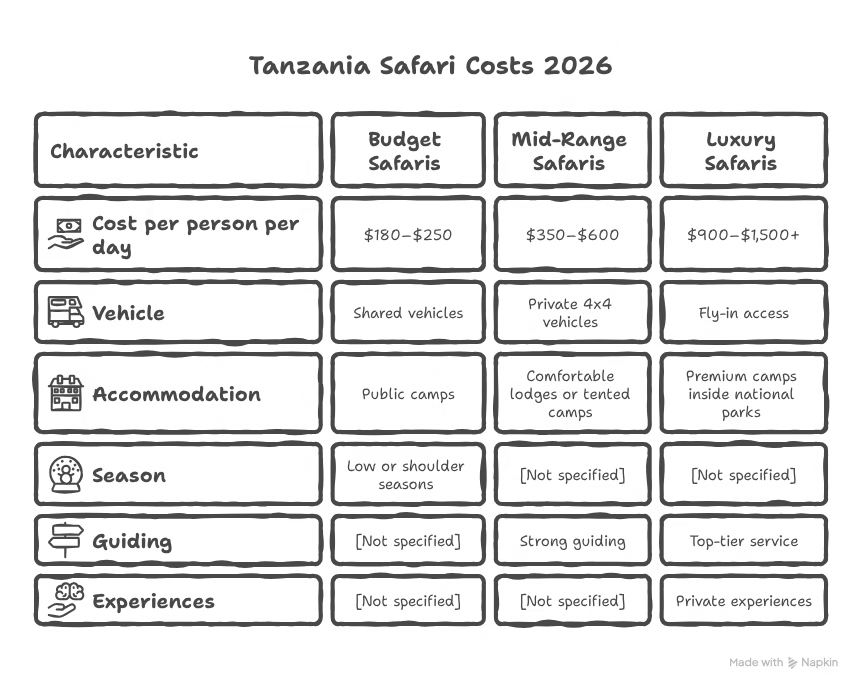
For most travelers, this translates to $2,000–$10,000+ for a 5–7 day safari, excluding international flights and tips. The wide range is normal—and intentional—because Tanzania safaris are built to be customized.
What’s included vs what’s not (at a glance)
A standard safari package in 2026 usually includes:
| What’s often not included (and catches many travelers off guard)
|
2. Average Tanzania Safari Costs in 2026 (Quick Overview)
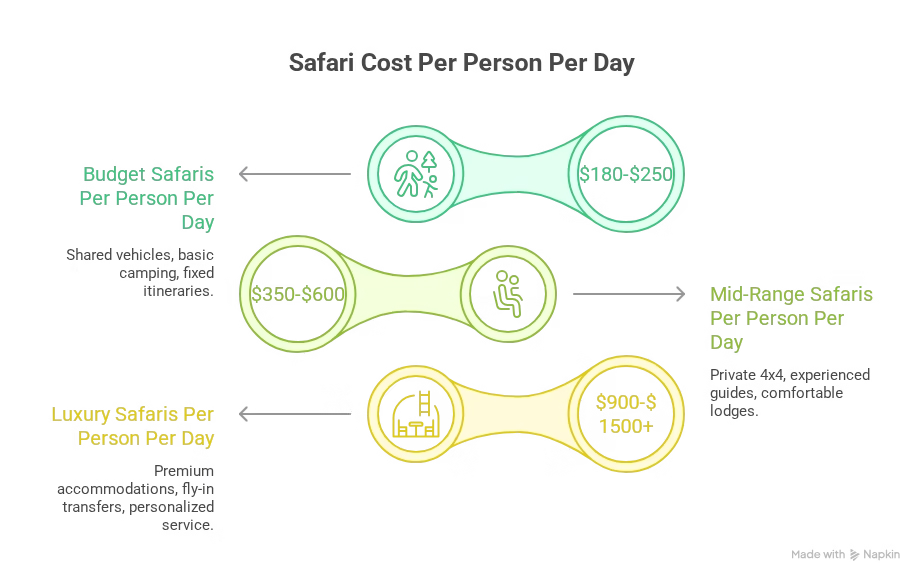
Tanzania safari prices in 2026 span a wide spectrum, but once you understand the core travel styles, the numbers start to make sense. Whether you’re traveling on a tight budget or seeking a once-in-a-lifetime luxury experience, the difference in cost reflects how you move, where you sleep, and how exclusive your safari feels.
Typical total cost for 5–7 day safaris
When daily rates are extended across a full itinerary, most travelers can expect the following total costs in 2026:
- 5–7 day budget safari: approximately $2,400–$4,200 per person
- 5–7 day mid-range safari: around $3,800–$5,400 per person
- 7-day luxury safari: $7,800–$10,000+ per person, depending on camps and flights
These estimates exclude international airfare and gratuities but usually include accommodation, park fees, meals, guiding, and game drives.
Impact of updated park fees & VAT
One of the biggest drivers of safari cost increases in 2026 is the rise in national park fees, combined with 18% VAT applied to many safari services. Premium parks such as Serengeti National Park and the Ngorongoro Conservation Area now charge some of the highest daily entry fees in East Africa. These costs are fixed and unavoidable, meaning even budget safaris feel the impact.
While this has pushed prices slightly higher across all categories, it also supports conservation, infrastructure, and sustainable tourism—ensuring Tanzania’s wildlife areas remain among the best-managed and most rewarding safari destinations in Africa.
3. Tanzania Safari Prices by Season (2026)
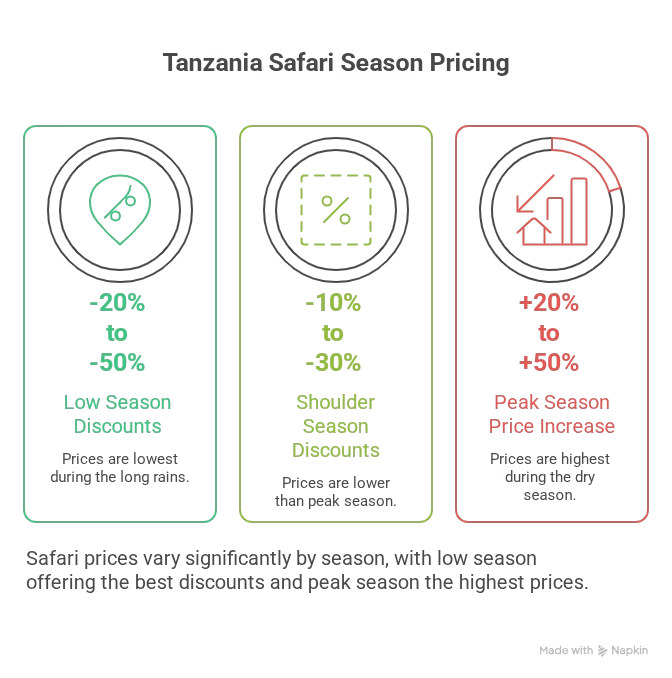
Seasonality plays a major role in determining Tanzania safari costs in 2026. The same itinerary can vary dramatically in price depending on when you travel, even if the parks, lodges, and vehicle remain unchanged. Understanding Tanzania’s three main safari seasons helps you match your budget with the kind of experience you want.
Seasonal price comparison table (2026 estimates)
✨Season | ✨Budget Safari (pp/day) | ✨Mid-Range Safari (pp/day) | ✨Luxury Safari (pp/day) |
Low (Mar–May) | $180–$200 | $350–$450 | $650–$1,000 |
Shoulder (Nov–Feb) | $200–$250 | $400–$500 | $750–$1,200+ |
Peak (Jun–Oct) | $250–$300 | $450–$600 | $900–$1,500+ |
4. What Really Determines Tanzania Safari Costs?
4.1 National Park & Conservation Fees (2026 rates)
National park and conservation fees are the single biggest fixed cost in a Tanzania safari. These fees are set by government authorities and apply equally to budget and luxury travelers. In 2026, updated rates and 18% VAT have made this component more noticeable than ever.
Serengeti & Ngorongoro
Serengeti National Park and the Ngorongoro Conservation Area carry the highest entry fees in Tanzania due to their global importance and conservation needs. Expect to pay approximately $82.60 per adult per day (children around $23.60) just to enter these areas. These fees apply daily and add up quickly on multi-day itineraries.
Tarangire, Lake Manyara & other parks
Parks such as Tarangire National Park, Lake Manyara National Park, and Arusha National Park are slightly more affordable, with entry fees around $59 per adult per day. Lesser-visited parks may charge approximately $35.40 per adult per day, making them cost-effective additions to an itinerary without sacrificing wildlife quality.
Vehicle entry & crater service fees
Beyond per-person entry fees, vehicles are also charged daily. Safari vehicle entry fees range from $40 to $150 per vehicle per day, depending on vehicle weight. The Ngorongoro Crater service fee is a major cost, currently around $295 per vehicle per descent, which is split among passengers but significantly affects overall safari pricing.
4.2 Safari Vehicle & Professional Guide Costs
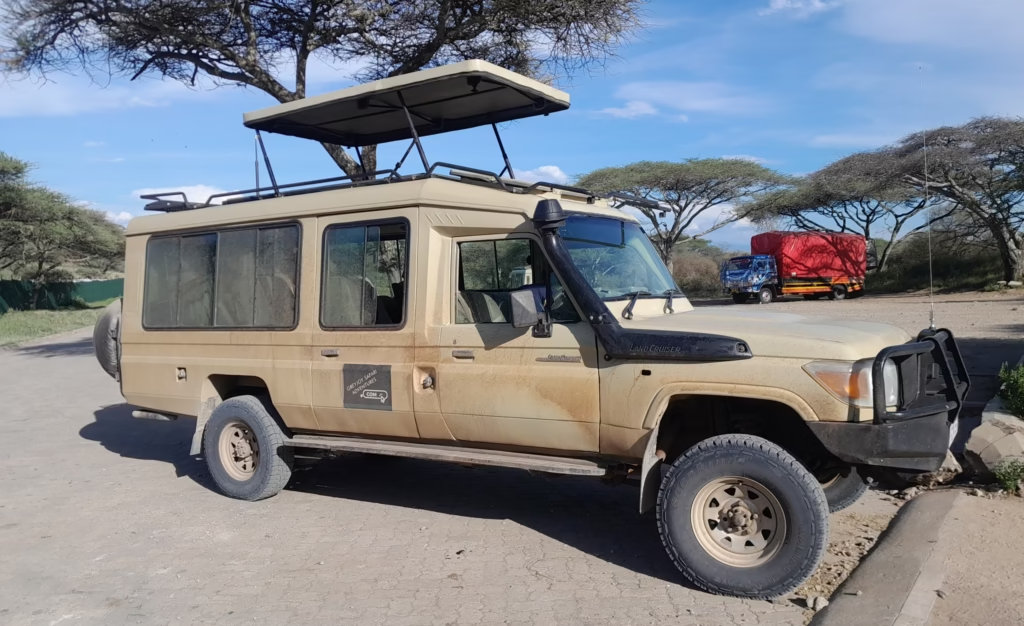
Your safari vehicle and guide are the backbone of the experience—and a major variable in cost. These expenses cover fuel, maintenance, park access logistics, and the expertise of a licensed professional guide.
Shared vs private safari vehicles
Shared safaris divide vehicle and guide costs among several travelers, reducing the price per person and making budget safaris possible. Private safaris, by contrast, give you exclusive use of the vehicle and guide, offering flexibility and comfort but at a higher per-person cost—especially for solo travelers or couples.
Daily vehicle rate breakdown
In 2026, a standard 4×4 safari vehicle typically costs $250–$350 per day, including fuel, driver-guide, and basic operating expenses. In shared arrangements, this cost is split between passengers, while private safaris absorb the full rate regardless of group size.
How group size affects price per person
Group size has a dramatic impact on safari pricing. A full vehicle of four to six guests significantly lowers the per-person daily cost, while two travelers or solo guests pay a premium for privacy. This is why traveling as a small group—or joining a scheduled departure—can substantially reduce the overall cost of a Tanzania safari in 2026.
4.3 Accommodation Costs by Safari Style
Accommodation is one of the most visible—and flexible—drivers of Tanzania safari costs in 2026. Where you sleep determines not only comfort, but also how close you are to wildlife, how much driving is required, and how immersive the experience feels. Prices vary widely depending on location, season, and service level.
Budget Camps & Camping Safari
Mid-range Lodges & tented camps
Budget camps & camping safaris
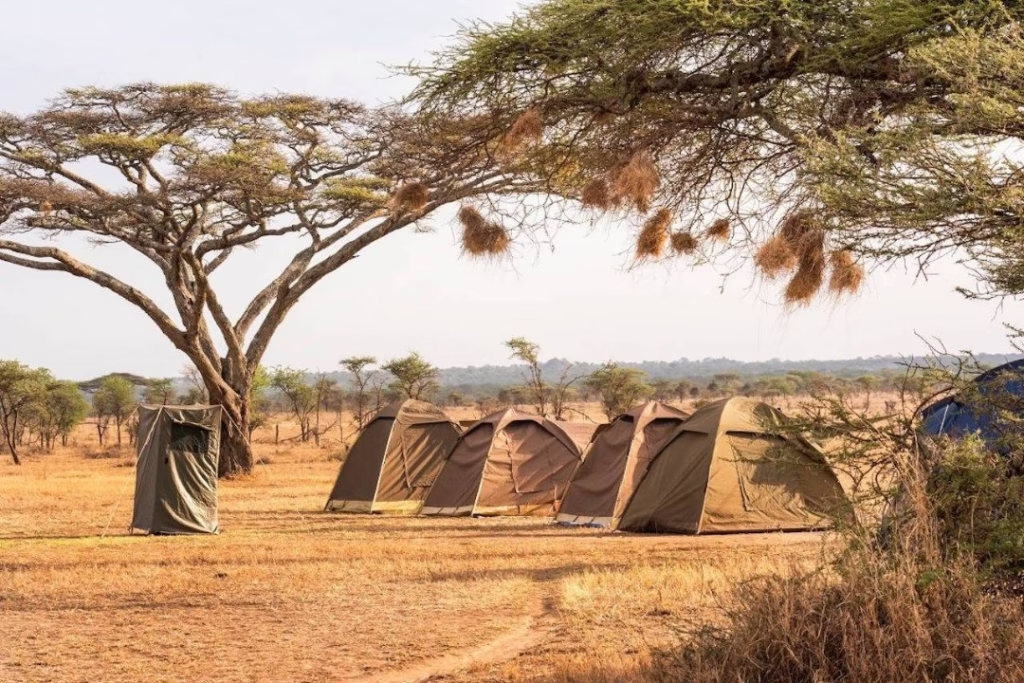
Budget options range from basic public campsites to simple permanent camps, often located just outside national parks. Costs typically fall between $25–$200 per person per night. Facilities are simple, sometimes shared, and meals are often prepared by a safari cook. These safaris prioritize time in the parks over comfort and are common in group or overland-style itineraries.
Mid-range lodges & tented camps
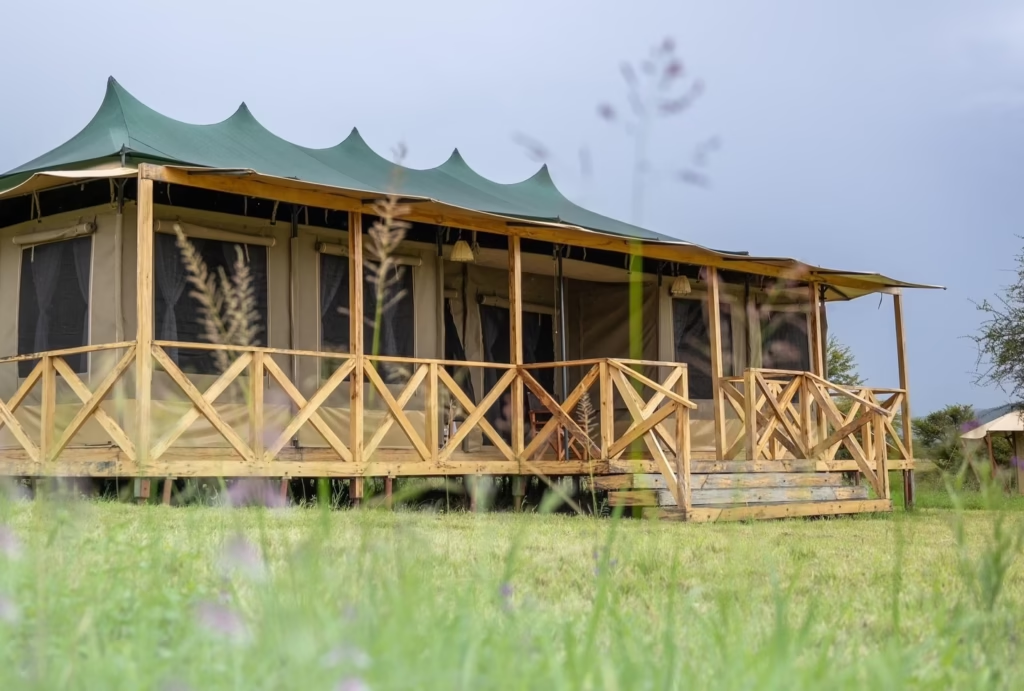
Mid-range accommodation usually costs $90–$600 per person per night, depending on whether the lodge or camp is inside or outside the park. Expect en-suite bathrooms, comfortable beds, proper dining areas, and attentive service. Tented camps in this category offer a strong “safari feel” without luxury pricing, making them the most popular choice for first-time visitors.
luxury lodges
Luxury lodges & exclusive camps (inside parks)
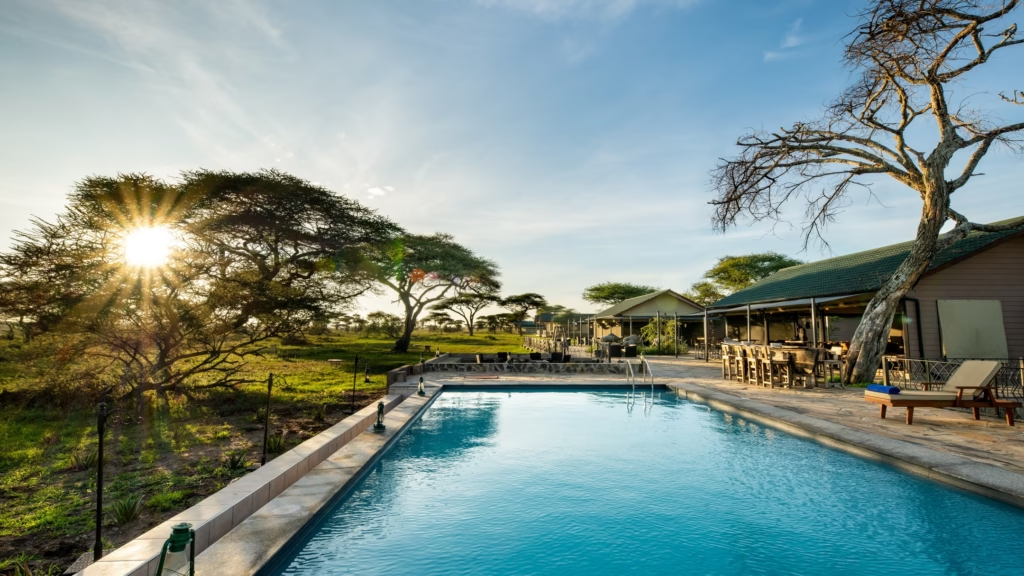
Luxury safari accommodations start from around $180 per person per night and can exceed $1,200+ per night, especially in prime Serengeti and Ngorongoro locations. These camps are often inside national parks, reducing travel time and maximizing game viewing. Rates usually include full board, premium service, and exceptional locations—but significantly increase the overall safari cost.
4.4 What’s Usually Included in a Safari Package
Most Tanzania safari packages in 2026 are sold as all-inclusive land arrangements, but inclusions can still vary. Understanding what’s standard—and what’s not—is essential when comparing quotes.
Meals, game drives, guide, logistics
A typical safari package generally includes:
- ✨Accommodation on a full-board basis (breakfast, lunch, dinner)
- ✨Daily game drives as outlined in the itinerary
- ✨A professional, licensed driver-guide
- ✨Safari vehicle, fuel, and logistical coordination
- ✨Park entry fees and government taxes (unless stated otherwise)
What varies by operator and budget
Inclusions often change depending on budget level and operator transparency. Items such as bottled drinks, alcoholic beverages, laundry, cultural visits, and optional activities may or may not be included. Budget safaris tend to exclude extras, while luxury packages bundle more services into the base price. Always check whether park fees, VAT, and vehicle charges are fully covered to avoid unexpected costs.
5. Tanzania Safari Cost Comparison Table (Per Day)
Cost Component (per person/day) | Budget Safari | Mid-Range Safari | Luxury Safari |
✨Park fees (Serengeti/Ngorongoro avg.) | $80–$90 | $80–$90 | $80–$90 |
✨Accommodation | $25–$200 | $90–$600 | $180–$1,200+ |
✨Vehicle & professional guide | $50–$100 (shared) | $100–$150 (private/semi-private) | $150+ (private) |
✨Meals & basic logistics | Included | Included | Included |
✨Typical daily total | $180–$250 | $350–$600 | $900–$1,500+ |
How to read this table
Park fees remain largely the same regardless of travel style, which is why Tanzania safaris have a relatively high baseline cost. The main differences come from accommodation quality, vehicle exclusivity, and service level. Budget safaris reduce costs by sharing vehicles and using simple camps, while luxury safaris concentrate value in location, privacy, and comfort rather than additional park access.
This breakdown helps set realistic expectations and explains why two safaris visiting the same parks can have dramatically different prices in 2026.
You might also find my new visual guide on the How to Plan a Tanzania Safari: Step-by-Step Guide for First Timers? useful as this includes the best value times to visit.
6. Hidden & Extra Costs Many Travelers Miss
Even well-planned Tanzania safaris in 2026 can end up costing more than expected if certain extras aren’t clearly explained upfront. These costs are rarely “hidden” intentionally, but they’re often excluded from headline prices—adding up quietly over the course of a trip. Understanding them in advance helps you budget realistically and avoid last-minute surprises.
Park & concession fees not clearly stated
Some safari quotes list accommodation and guiding but exclude park entry or concession fees, especially for camps located inside national parks or conservation areas. Over a 5–7 day itinerary, these fees can add $300–$600 per person if not fully included—particularly in Serengeti and Ngorongoro.
Vehicle surcharges & fuel costs
While most safaris include a standard vehicle rate, some operators apply fuel surcharges or special vehicle fees for long-distance drives or remote areas. These can add $40–$60 per vehicle per day, which becomes noticeable on longer itineraries or private safaris.
Tips & gratuities (guides, chefs, camp staff)
Tipping is customary in Tanzania and a significant extra expense. In 2026, a general guideline is:
- ✨$20–$30 per day for your driver-guide✨
- ✨$10–$15 per day for a safari chef or camp staff (shared among the team)
✨Over a week-long safari, tips alone can reach several hundred dollars per traveler.
Planning a Trip to Tanzania?
Our team is always here to help
Please let us know if you have any questions
Drinks, laundry & personal expenses
Most safari packages include meals but exclude beverages beyond basic water. Expect to pay $5–$10 per drink, $2–$5 per laundry item, and extra for premium coffee, spirits, or souvenirs. These small daily costs accumulate quickly, especially at lodges and luxury camps.
Optional activities (balloon safaris, Maasai visits)
Add-on experiences are memorable—but expensive. A hot air balloon safari in the Serengeti typically costs $500+ per person, while Maasai village visits may cost around $50 per vehicle. These activities are almost never included in base safari prices.
Visas & internal flights
Tanzania tourist visas usually cost $50–$100, depending on nationality. Domestic flights—common on luxury or time-saving itineraries—start from $300+ per leg, significantly increasing overall costs if multiple flights are involved.
How hidden costs add 10–20% to your budget
When combined, these extras can add 10–20% to the total cost of a Tanzania safari in 2026. The best way to control your budget is to request a fully itemized quote and confirm exactly what is—and isn’t—included before booking.
7. Sample Tanzania Safari Itineraries by Budget (2026)
To put Tanzania safari pricing into real-world context, here are sample itineraries across budget levels. These examples reflect common routes, accommodation styles, and realistic costs in 2026, helping you visualize what your money actually delivers on the ground.
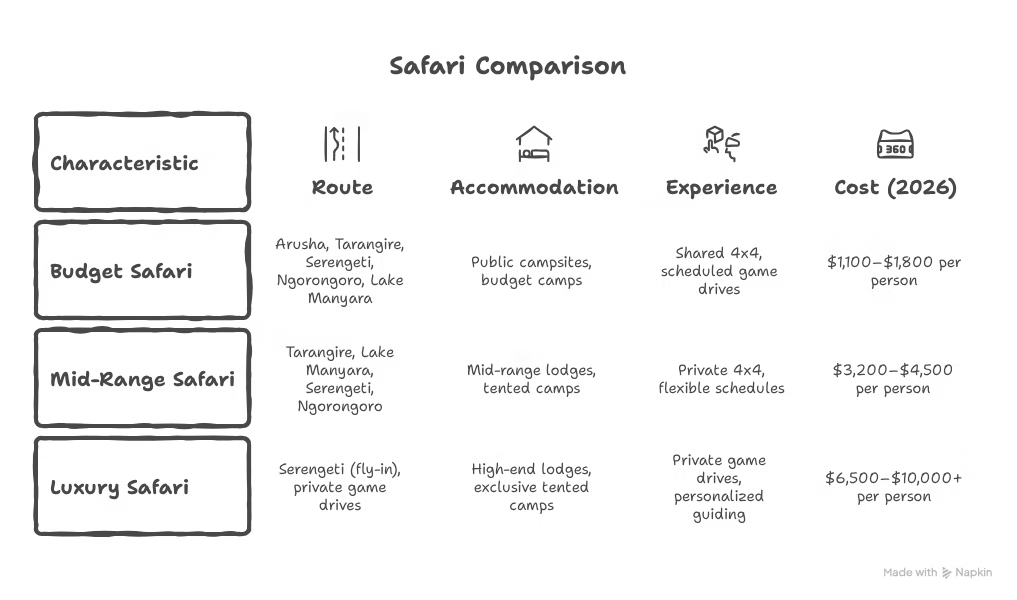
Tanzania Safari Itineraries by Budget
8. How to Save Money on a Tanzania Safari in 2026
Tanzania safari in 2026 doesn’t have to break the bank to be unforgettable. With smart planning and informed choices, you can significantly reduce costs while still enjoying outstanding wildlife, professional guiding, and authentic safari moments. The key is knowing where flexibility saves money—and where cutting corners doesn’t
Choosing the right season
Traveling outside peak season is the single most effective way to lower safari costs. The shoulder seasons (November–February) offer excellent wildlife viewing, fewer crowds, and prices 10–30% lower than peak months. Even the low season (March–May) delivers major savings if you’re comfortable with occasional rain and want greener landscapes and quieter parks.
Group vs private safaris
Joining a group or shared safari dramatically reduces per-person costs by splitting vehicle, fuel, and guide expenses. This is ideal for solo travelers or those on a tight budget. Private safaris offer more flexibility, but traveling with four to six people can make private options surprisingly affordable compared to traveling as a couple.
Park combinations that reduce fees
Not all parks carry the same entry costs. Combining premium parks like Serengeti or Ngorongoro with more affordable options such as Tarangire or Lake Manyara can lower your average daily fees without sacrificing wildlife quality. Spending fewer nights in high-fee parks while still enjoying key highlights is a smart cost-control strategy.
Smart accommodation choices
Staying in lodges or camps just outside national parks can significantly reduce accommodation and concession fees while still allowing full-day game drives inside the parks. Mid-range tented camps often deliver the best balance—authentic safari atmosphere, solid comfort, and far better value than top-tier luxury camps.
With thoughtful planning, a Tanzania safari in 2026 can be both affordable and exceptional—proving that value isn’t about spending less, but about spending wisely.
9. Is Tanzania Worth the Cost Compared to Other African Safaris?
When considering a safari in 2026, price is always measured against value—and Tanzania consistently ranks among the top choices for travelers seeking both exceptional wildlife and immersive experiences. Comparing Tanzania to other African safari destinations highlights why its costs are justified.
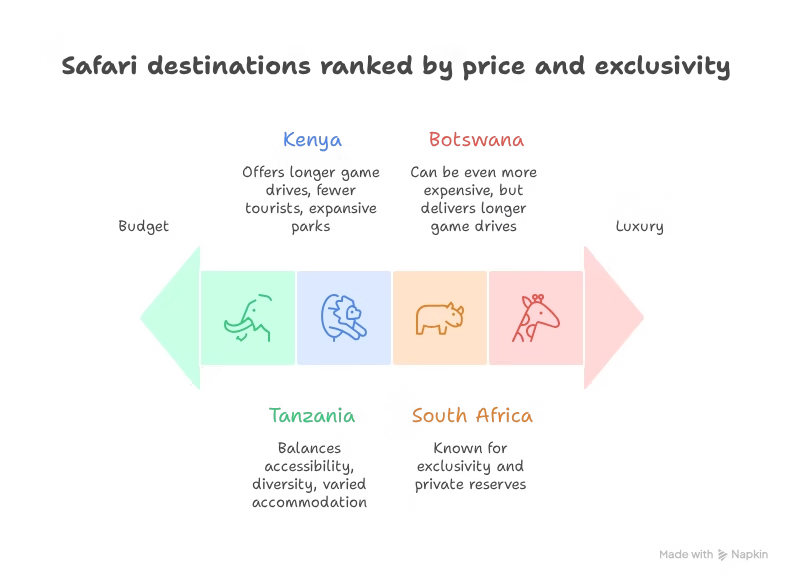
Why Tanzania commands premium pricing
Several factors justify Tanzania’s higher costs:
- ✨High-value national parks with strict conservation and park fee policies
- ✨Prime locations for fly-in luxury safaris reducing travel time between wildlife hotspots
- ✨Exceptional range of habitats and species in one country
- ✨Professional guiding, well-maintained vehicles, and quality camps that meet international standards
Put simply, you’re paying for quality, authenticity, and access to some of Africa’s most iconic wildlife experiences—making Tanzania a safari destination where every dollar contributes to an unforgettable adventure.
10. Final Thoughts: What Should You Budget for a Tanzania Safari in 2026?
Planning a Tanzania safari in 2026 requires balancing your dream experience with a realistic understanding of costs. With updated park fees, VAT, and service standards, having a clear budget helps you avoid surprises and ensures your safari delivers both value and unforgettable memories.
Recommended budgets by traveler type
– Budget travelers: $1,100–$1,800 for a 5-day northern circuit safari, using shared vehicles and basic campsites. Ideal for students, solo adventurers, or those prioritizing wildlife over comfort.
– Mid-range travelers: $3,200–$4,500 for a 5–7 day safari, including private 4×4 vehicles, comfortable lodges or tented camps, and more flexible itineraries. Perfect for couples, families, or first-time safari-goers.
– Luxury travelers: $6,500–$10,000+ for a 7-day fly-in and drive experience with premium camps, exclusive game drives, and personalized service. Tailored for those seeking exclusivity, comfort, and maximum wildlife immersion.
Setting realistic expectations
Your budget should account for park fees, accommodation, vehicle and guide costs, meals, tips, optional activities, and incidentals. Remember, even “hidden” costs like balloon safaris, Maasai visits, internal flights, and drinks can add 10–20% to the base price. Setting expectations early ensures your safari is memorable without financial stress.
Planning tips before requesting quotes
– Clarify inclusions: Ask operators what is and isn’t included, especially park fees, vehicle charges, and meals.
- Choose your season wisely: Shoulder and low seasons offer better value with fewer crowds.
- Consider group size: Sharing a vehicle can drastically lower per-person costs.
- Balance location & accommodation: Staying just outside parks can save money without compromising wildlife experiences.
A well-researched, realistic budget in 2026 ensures your Tanzania safari is not only affordable but also delivers the adventure, wildlife, and memories you’ve been dreaming of.
Planning a Trip to Tanzania?
Our team is always here to help
Please let us know if you have any questions
Tanzania Safari Cost Calculator
Tanzania Safari Cost Calculator (2026)
Serengeti/Ngorongoro ($82.60/adult/day)
Tarangire/Manyara ($59/adult/day)
Other Parks ($35.40/adult/day)
Balloon Safari ($500)
Maasai Visit ($50)
Tanzania Safari Cost FAQs (2026)
1. How much does a Tanzania safari cost in 2026?
Costs vary widely depending on travel style, season, and itinerary. Daily rates range from $180–$250 for budget safaris, $350–$600 for mid-range, and $900–$1,500+ for luxury experiences. A 5–7 day safari typically costs $2,000–$10,000+ per person, excluding international flights and tips.
2. What factors influence safari prices the most?
The main cost drivers are national park and conservation fees, accommodation, safari vehicle and guide, and the season of travel. Hidden costs such as tips, drinks, optional activities, and internal flights can also add 10–20% to your total budget.
3. Are there cheaper times to go on safari?
Yes. The low season (March–May) offers 20–50% discounts, while the shoulder seasons (Nov–Feb) provide good wildlife viewing at 10–30% lower costs than peak season. Peak season (June–October) is the most expensive due to the Great Wildebeest Migration and dry conditions.
4. What’s included in a typical safari package?
Most packages include accommodation, meals, park fees, daily game drives, and a professional guide with a 4x4 vehicle. Extras like drinks, laundry, optional activities, visas, and internal flights may not be included—always confirm with your operator.
5. How can I save money without compromising the safari experience?
- Travel during shoulder or low seasons
- Join a shared group safari instead of private
- Combine high- and low-fee parks to reduce costs
- Stay in lodges or camps outside park boundaries
These strategies lower costs while maintaining excellent wildlife experiences.
6. Are Tanzania safaris more expensive than other African destinations?
Tanzania is slightly higher than Kenya or South Africa for similar itineraries, but it offers larger parks, higher wildlife density, and iconic experiences like the Serengeti Migration and Ngorongoro Crater. Botswana can be more expensive, but Tanzania offers more flexible budget options.
7. Do internal flights save time and affect the budget?
Yes. Fly-in safaris reduce long drives and maximize game viewing, especially in the Serengeti, but each leg usually costs $300+ per person. They are common in luxury itineraries and significantly increase the total cost.
8. How much should I tip my guide or camp staff?✨
Tipping is customary. General guidelines are $20–$30 per day for your driver-guide and $10–$15 per day for camp staff or chef, usually split among team members.
9. Can I do a safari on a tight budget?
Absolutely. Budget safaris with shared vehicles, basic camps, and careful park selection can cost as little as $180 per day while still delivering great wildlife viewing. Planning and seasonal flexibility are key.
10. Are park fees included in all safari packages?
Not always. Some packages exclude fees, particularly for high-cost parks like Serengeti and Ngorongoro, which can add $80+ per day per adult. Always confirm inclusions before booking to avoid unexpected costs.
Read More Tanzania Travel guide
For an overview of planning your safari, you can read our Ultimate
- When is the Best Time to visit Tanzania for a safari?
How to Plan a Tanzania Safari: Step-by-Step Guide for First Timers?
How to Plan a Tanzania Safari: Step-by-Step Guide for First Timers?