
Can You Enjoy the Serengeti Without Following the Migration?
For many travelers, the word Serengeti instantly brings one image to mind: endless plains shaking beneath the thunder of millions of wildebeest during the Great Migration. It’s one of the most spectacular wildlife events on Earth, and for good reason it dominates documentaries, travel brochures, and bucket-list conversations. Because of this, many people assume the Serengeti is only worth visiting when the migration is passing through.
Table of Contents
ToggleBut is that really true?
Can you truly enjoy the Serengeti without migration, or does the park lose its magic once the massive herds move on?
The reality is far more interesting—and far more rewarding. The Serengeti is not just a stage for a single seasonal event; it is a vast, living ecosystem that thrives all year long. Even when the migrating herds are elsewhere, the plains, rivers, and rocky kopjes remain home to thousands of resident animals. Elephants roam the woodlands, buffalo gather in large herds, giraffes browse acacia trees, and predators such as lions, leopards, cheetahs, and hyenas continue their daily hunt across the landscape.
In fact, the Serengeti holds some of the highest predator densities in Africa, meaning that remarkable wildlife encounters are possible at any time of year. Many experienced safari travelers even prefer visiting outside peak migration months, when the scenery is lush, the roads are quieter, and wildlife viewing feels more intimate and natural.
In this guide, we’ll explore whether visiting the Serengeti without migration can still deliver an unforgettable safari. We’ll look at the resident wildlife that stays year-round, the incredible concentration of predators, what guests should realistically expect, and the best areas of the park to visit when the migration is not the main focus.
1. Understanding the Serengeti Ecosystem Beyond the Migration✨
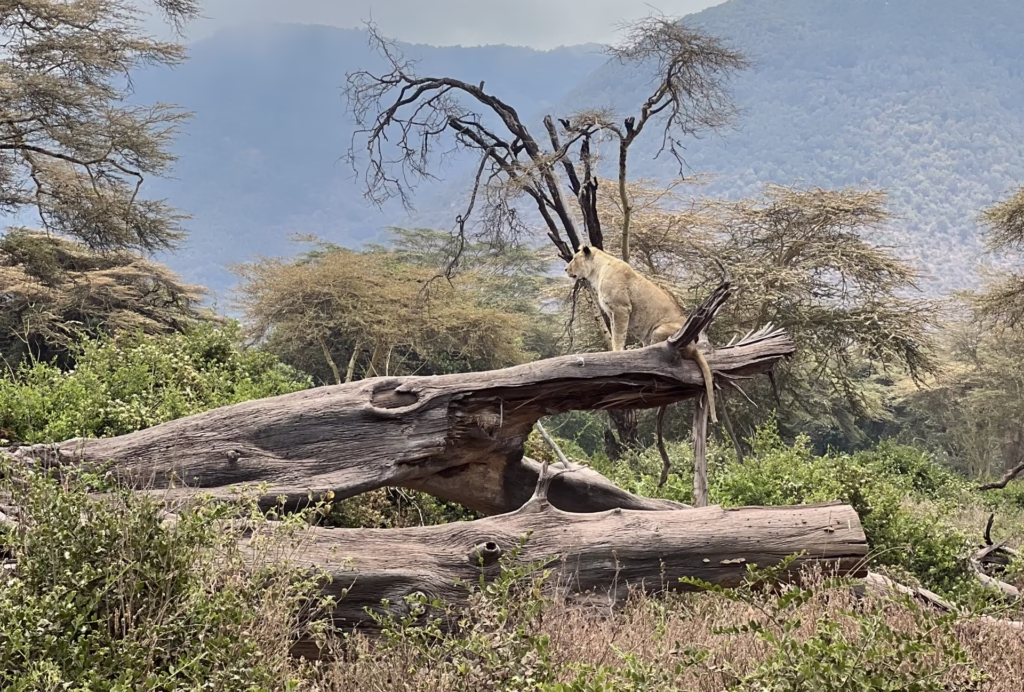
The Great Migration may be the Serengeti’s most famous spectacle, but it is only one chapter in a much larger ecological story. The Serengeti ecosystem is not simply a seasonal highway for migrating animals—it is one of the most complex and balanced wildlife systems on Earth. Covering vast savannas, river valleys, woodlands, and rocky outcrops, the park supports thousands of species that live, hunt, and reproduce here all year long.
To understand why the Serengeti remains extraordinary even without the migration, it helps to look at the difference between migratory and resident species. Migratory animals—primarily wildebeest, zebras, and some gazelles—move in massive seasonal cycles in search of fresh grass and water. Their movements create the dramatic scenes most travelers recognize from documentaries.
However, the Serengeti is also home to a large population of resident wildlife that never leaves. Species such as elephants, buffalo, giraffes, topi, impalas, warthogs, and numerous antelope remain within the ecosystem year-round. These animals form the backbone of the Serengeti’s food chain and provide a consistent prey base for predators.
Because of this permanent wildlife population, game viewing remains excellent throughout the year. Predators like lions, leopards, cheetahs, and hyenas do not disappear when the migration moves elsewhere. Instead, they continue hunting resident prey across the plains, often providing dramatic sightings without the crowds typically associated with peak migration months.
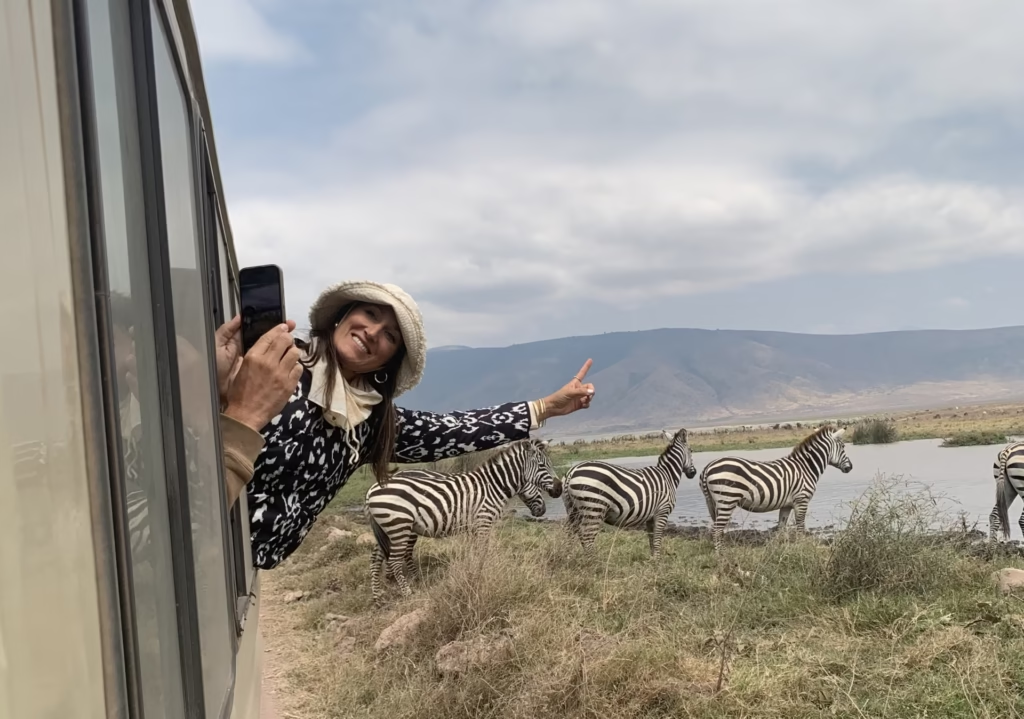
Another key reason the Serengeti thrives year-round is its diverse habitats. The open grasslands support grazing herbivores, while the iconic rocky kopjes provide shelter for lions and hyraxes. Acacia woodlands offer browsing areas for giraffes and elephants, and river systems attract animals during dry periods while also supporting birdlife and primates. Each habitat hosts different species, creating a rich and constantly active wildlife landscape.
In other words, while the migration may come and go, the Serengeti itself never pauses. Its interconnected habitats and permanent wildlife populations ensure that the park remains one of Africa’s most rewarding safari destinations at any time of year. ✨
2. Resident Wildlife: The Animals That Never Leave✨
While the Great Migration captures global attention, the Serengeti’s true strength lies in the wildlife that never leaves. These resident species form the permanent backbone of the ecosystem, ensuring that game viewing remains rich and rewarding throughout the year—even when the migrating herds have moved to other regions.
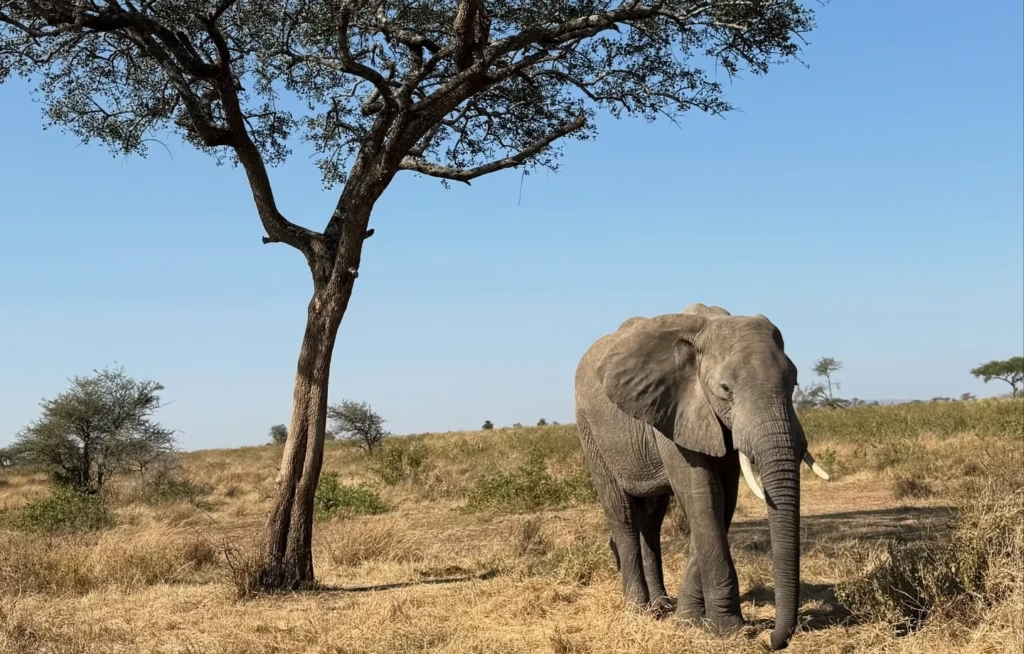
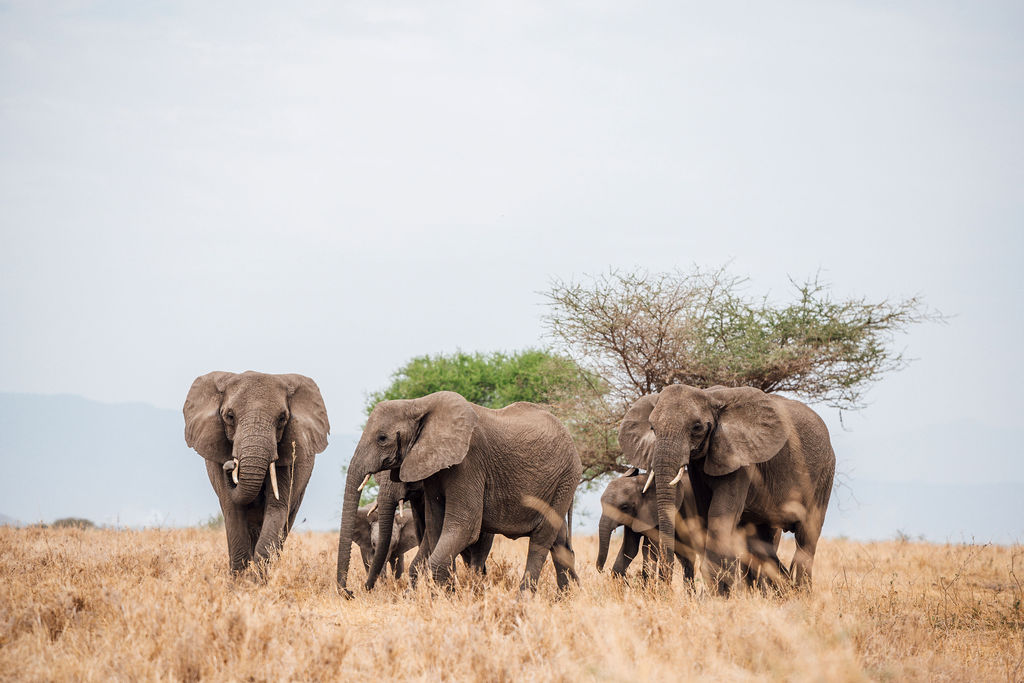
The Serengeti supports large populations of non-migratory animals that thrive across its plains, woodlands, and river valleys. Among the most impressive are African elephants, with more than 5,000 individuals roaming the ecosystem. These giants are often seen in the northern parts of the Serengeti, moving between woodlands and river systems where food and water remain available year-round.
Another dominant resident species is the African buffalo, with an estimated population of around 50,000 animals in the greater Serengeti ecosystem. Buffalo herds can be massive and unpredictable, and they play a crucial role in sustaining the park’s predator populations, especially lions.
Beyond these iconic animals, the Serengeti is filled with a wide variety of other resident herbivores. Giraffes browse the acacia treetops, impalas and topi graze across open plains, and waterbucks stay close to permanent water sources. Warthogs, often seen trotting through the grass with their tails upright, are among the park’s most recognizable residents.
In the riverine forests and shaded valleys, primates add another layer of life to the ecosystem. Troops of baboons are common along riverbanks, while colobus monkeys inhabit forested areas, moving gracefully through the trees. These habitats also support a variety of smaller mammals, including rock hyraxes that live among the Serengeti’s famous kopjes.
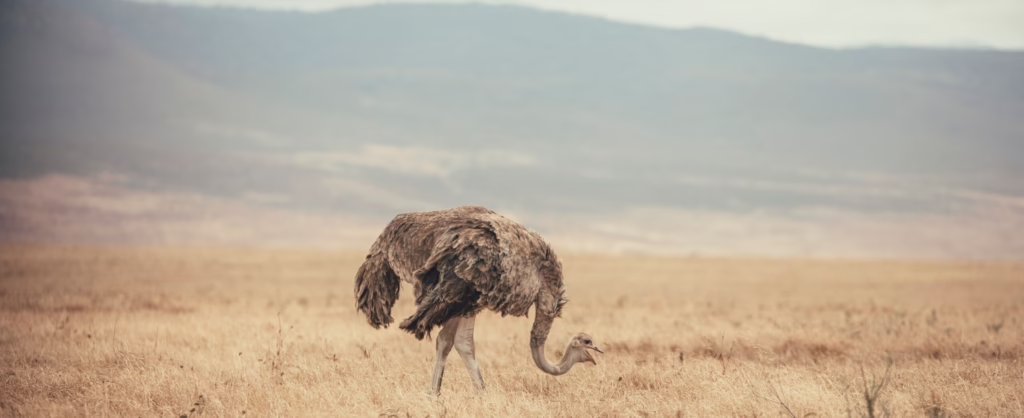
The region’s biodiversity extends far beyond mammals. The Serengeti hosts hundreds of bird species, from large ground birds like ostriches to colorful rollers, bee-eaters, and raptors soaring above the plains. For bird lovers, this diversity means every game drive can reveal something new.
Because these animals live in the Serengeti year-round, they provide consistent and reliable wildlife sightings regardless of the migration cycle. Many species gather around key habitats where resources remain stable. The rocky kopjes attract lions, hyraxes, and reptiles; acacia woodlands support giraffes and elephants; and river corridors draw buffalo, primates, and a wide range of birdlife.
In essence, while migrating herds may come and go, the Serengeti’s resident wildlife ensures the park remains vibrant, active, and full of life every single day of the year. ✨
3. Predator Density: Why Big Cat Sightings Remain Exceptional✨
One of the biggest reasons the Serengeti remains an extraordinary safari destination—even without the Great Migration—is its remarkable concentration of predators. In fact, the Serengeti ecosystem holds one of the highest predator densities in the world, making it one of the most reliable places in Africa to see big cats in the wild.
At the top of this predator hierarchy are lions, with an estimated 3,000 to 4,000 individuals living across the Serengeti ecosystem. Some of the highest densities can be found in the Seronera Valley in Central Serengeti, where permanent water sources and abundant prey support multiple lion prides. It’s not uncommon for visitors to encounter lions resting on kopjes, stalking prey in the grasslands, or interacting within their social groups.
Another dominant predator is the spotted hyena, with a population estimated at around 7,500 individuals. Highly intelligent and extremely adaptable, hyenas thrive throughout the Serengeti. Their clans patrol large territories, often competing with lions for kills and playing a vital role in maintaining the balance of the ecosystem.
The Serengeti is also one of the best places in Africa to see cheetahs, with approximately 500 to 600 individuals spread across the open plains. These sleek hunters prefer wide, open grasslands where they can use their incredible speed to chase down gazelles and other small antelope. Areas like eastern Serengeti and Namiri Plains are particularly well known for frequent cheetah sightings.
More elusive but equally fascinating are the leopards, with an estimated population of around 1,000 animals within the greater Serengeti ecosystem. Leopards tend to inhabit riverine forests and rocky kopje areas, where trees provide cover and safe places to store their kills away from competing predators.
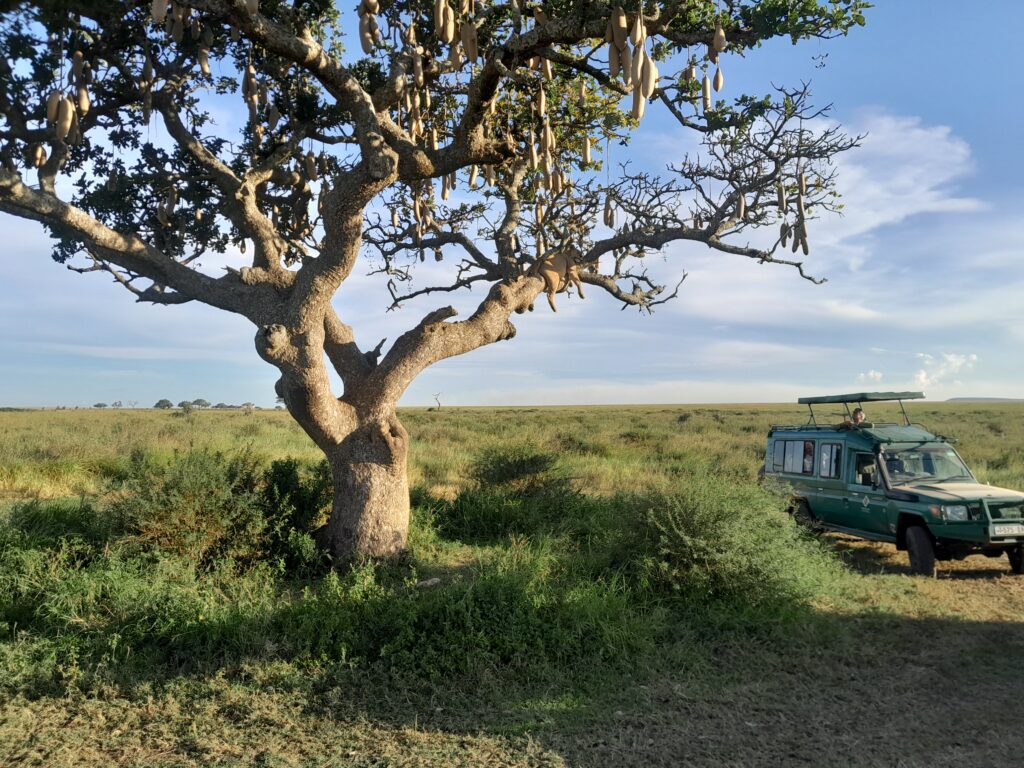
The reason these predators remain so active year-round is simple: the Serengeti provides a constant supply of prey. Resident animals such as buffalo, impala, topi, and warthogs ensure that predators always have hunting opportunities, even when the migratory herds are elsewhere.
Because of this stable food chain, big cat sightings outside the migration season can be just as dramatic as those during peak migration months. Lions still hunt, cheetahs still sprint across the plains, and leopards still stalk quietly through riverine forests.
In many ways, predator encounters can actually be better outside the busiest migration periods. With fewer safari vehicles on the roads, sightings often feel more intimate and natural. Guides can spend more time observing animal behavior, and photographers enjoy clearer views without large crowds.
For travelers hoping to see Africa’s most iconic predators in action, the Serengeti delivers spectacular wildlife moments in every season—not just when the migration passes through. ✨
4. Guest Expectations: What Safari Travelers Should Know✨
For many first-time visitors, the Serengeti is closely associated with one unforgettable image: massive herds of wildebeest and zebras crossing rivers while predators wait nearby. These dramatic scenes from the Great Migration dominate wildlife documentaries and travel marketing, so it’s natural that many travelers arrive expecting to witness the same spectacle during their safari.
However, when visiting the Serengeti without the migration, the experience can feel different—though not necessarily less rewarding. Instead of endless lines of wildebeest stretching across the plains, travelers often encounter quieter landscapes, relaxed wildlife encounters, and a deeper sense of connection with the environment.
One of the biggest advantages of an off-migration safari is space. With fewer visitors in the park, game drives feel more peaceful and flexible. Guides have more freedom to explore different areas, and sightings can be enjoyed without a long line of vehicles surrounding the animals.
There are also several clear advantages to visiting outside the peak migration period:
Pros of visiting without the migration
- Fewer crowds: Game drives are often quieter, especially in remote areas of the park.
- Better photography opportunities: With fewer vehicles and calmer conditions, photographers can capture cleaner shots and natural behaviors.
- More natural animal behavior: Wildlife encounters often feel less pressured by tourism activity.
- Better lodge availability and value: Many accommodations offer more competitive rates during the green season.
That said, it’s important to understand the trade-offs as well.
Potential downsides
- Fewer massive herds on the plains: Travelers focused solely on migration scenes may feel something is missing.
- Possible rain during the wet season: Particularly between March and May, showers can occur, although they often bring beautiful green landscapes.
- First-time visitors may expect a larger spectacle: Without the context of the migration’s scale, some guests may initially feel the experience is quieter than anticipated.
Interestingly, many experienced safari travelers and wildlife experts actually prefer visiting outside the peak migration months. With fewer vehicles, more open landscapes, and consistent predator activity, the Serengeti can feel more authentic and immersive. Instead of chasing a single event, visitors can focus on the entire ecosystem—predators hunting, elephants roaming, and wildlife moving naturally across the plains.
For those who arrive with the right expectations, a Serengeti safari outside the migration season can deliver some of the most intimate and memorable wildlife encounters in Africa. ✨
5. Best Areas in the Serengeti Outside the Migration Season✨
Even when the Great Migration is not the main attraction, several parts of the Serengeti continue to offer exceptional wildlife viewing year-round. These regions combine permanent water sources, diverse habitats, and strong resident wildlife populations, making them ideal for safaris focused on predators and classic African landscapes.
5.1 Central Serengeti (Seronera Valley)
The Central Serengeti, particularly the Seronera Valley, is widely regarded as the best year-round wildlife viewing area in the entire park. This region sits at the heart of the Serengeti ecosystem and benefits from permanent water sources that attract animals throughout the year.
Seronera is especially famous for its high concentration of predators. Lions are frequently seen resting on rocky kopjes or moving through the grasslands, while leopards are commonly spotted along the Seronera River, often draped across tree branches during the heat of the day. Spotted hyenas are also abundant in this area, often competing with lions for kills.
Because of the stable prey population—impalas, topi, gazelles, and other resident herbivores—wildlife sightings here are consistently strong in every season. For many safari travelers, Seronera also offers the best chances of seeing the Big Five, including lions, leopards, elephants, buffalo, and occasionally black rhinos in nearby protected zones.
5.2 Northern Serengeti (Lobo & Lamai)
For travelers seeking a quieter and more remote safari experience, the Northern Serengeti, including areas such as Lobo and Lamai, offers some of the most spectacular and peaceful landscapes in the park.
This region is known for its large elephant populations, often seen moving through woodlands or along river valleys. The scenery here is slightly different from the open plains of central Serengeti, with rolling hills, rocky outcrops, and lush riverine areas creating a diverse habitat for wildlife.
One of the greatest advantages of the Northern Serengeti outside the migration season is the low vehicle density. With fewer safari vehicles compared to central areas, game drives feel more private and relaxed. Visitors can spend time observing animals without crowds, making it an ideal destination for those looking for slow, immersive safari experiences.
Between its dramatic landscapes, resident wildlife, and peaceful atmosphere, the Northern Serengeti provides a rewarding safari for travelers who want to experience the park beyond the migration spectacle. ✨
5.3 Moru Kopjes
Rising dramatically from the open plains, the Moru Kopjes are among the most iconic landscapes in the Serengeti. These ancient granite rock formations create a unique habitat that attracts a wide variety of wildlife, especially predators. Lions often use the kopjes as natural lookout points, resting on the rocks while scanning the surrounding plains for prey. Leopards are also known to inhabit these rocky areas, using the crevices and nearby trees as cover while hunting.
Beyond the wildlife, Moru Kopjes is one of the most scenic areas of the Serengeti, offering sweeping views of the savanna and fascinating geological formations that have shaped the ecosystem for thousands of years. Despite being relatively close to central Serengeti, this region is typically less crowded, making it a rewarding destination for travelers looking for dramatic landscapes and quieter wildlife encounters.
5.4 Eastern Serengeti (Namiri Plains)
The Eastern Serengeti, particularly the Namiri Plains, has earned a reputation as one of the best places in Africa to see cheetahs in the wild. The area’s vast open grasslands provide the perfect environment for these speed specialists, allowing them to spot prey from a distance and launch their high-speed chases across the plains.
Because this region remained closed to tourism for many years to support predator conservation, it has maintained a healthy and thriving population of big cats, including cheetahs, lions, and hyenas. The open terrain also makes wildlife easier to spot, offering excellent predator viewing opportunities during game drives.
With its expansive horizons, abundant wildlife, and relatively low visitor numbers, the Eastern Serengeti offers a wild, untamed safari experience—especially appealing for travelers interested in predators and photography. ✨
6. When to Visit the Serengeti Without the Migration
One of the most common questions travelers ask is: If the migration isn’t the main focus, when is the best time to visit the Serengeti? The good news is that the park offers rewarding wildlife experiences throughout the year. However, certain months provide an especially appealing balance of scenery, wildlife activity, and fewer crowds.
6.1 Recommended Months
Two particularly attractive periods are April and November, often referred to as shoulder seasons in the Serengeti. During these months, visitor numbers are lower than peak migration periods, which means quieter game drives and more relaxed wildlife encounters. The landscapes are also often at their most beautiful, with fresh greenery spreading across the plains after seasonal rains.
The broader wet season, from November to May, transforms the Serengeti into a vibrant and dramatic environment. Short rains in November and December refresh the grasslands, while the longer rains between March and May create lush, emerald-colored plains and striking cloud formations. For photographers and nature lovers, this time of year can be especially rewarding, with vivid colors, active wildlife, and dramatic skies that add depth and atmosphere to safari images.
6.2 Important Considerations
When planning a safari outside the migration focus, a few factors are worth keeping in mind. Rainfall patterns vary during the wet season, and while showers are usually brief, heavier rains can occur during the peak months of March through May. These rains, however, also bring life to the landscape and attract a wide range of animals to fresh grazing areas.
Another advantage of traveling during these periods is lodge pricing and availability. Many camps and lodges offer more flexible booking options or lower seasonal rates, making it possible to experience high-quality accommodations with fewer guests around.
Finally, photography conditions can be exceptional during the green season. The combination of lush grasslands, vibrant skies, and soft lighting after rainstorms often creates some of the most stunning safari images of the year.
For travelers who value peaceful landscapes, abundant wildlife, and a more intimate safari atmosphere, visiting the Serengeti outside the peak migration months can be one of the most rewarding times to explore this legendary wilderness. ✨
7. Honest Safari Outcomes: What You Can Expect✨
Visiting the Serengeti without the Great Migration offers a safari experience that is both authentic and rewarding, though it comes with a different rhythm than the peak migration season. Understanding what to expect helps travelers plan realistically and get the most out of their journey.
7.1 What You Will Likely Experience
Even outside migration months, the Serengeti delivers reliable sightings of the Big Five—lions, leopards, elephants, buffalo, and rhinos—thanks to its thriving resident populations. Predators remain active year-round, creating opportunities for dramatic hunts and close-up encounters that are often more intimate than during crowded migration periods.
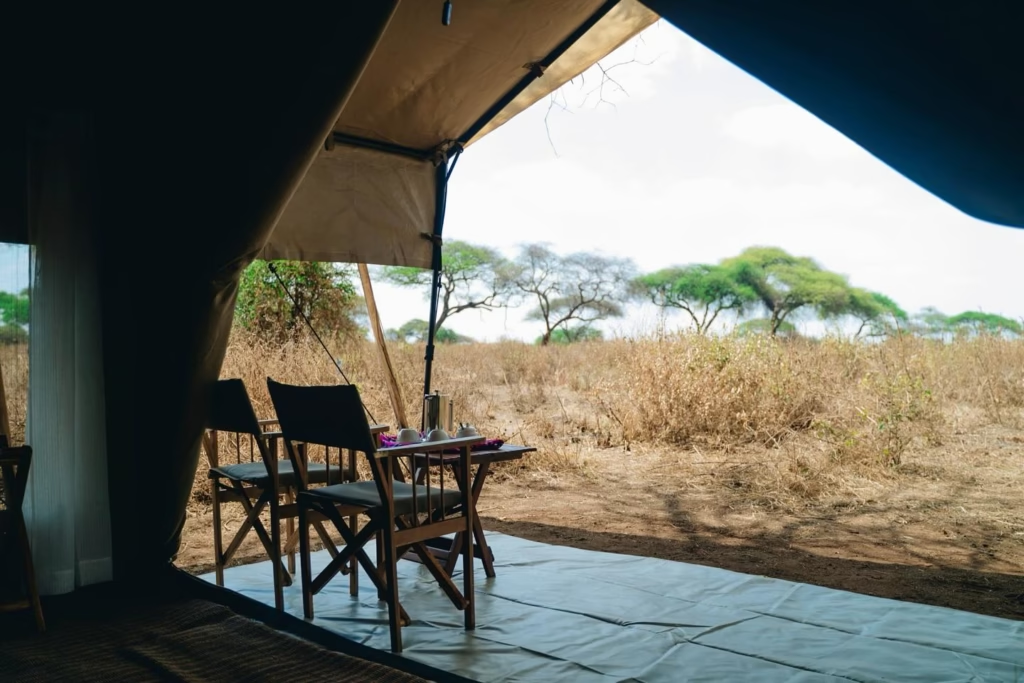
With fewer safari vehicles on the trails, visitors enjoy peaceful, uncrowded landscapes, allowing for extended game drives and slower, more immersive wildlife observation. This quieter pace often leads to a deeper connection with the ecosystem, as animals behave more naturally without the constant presence of large tourist groups.
7.2 Potential Drawbacks
While these experiences are exceptional, there are a few trade-offs to consider. Mega-herds of wildebeest and zebras are largely absent, which may feel underwhelming for travelers expecting the thunderous spectacle seen in migration footage. Rainfall can occur during the peak wet season (March–May), which may occasionally make some roads challenging or affect travel plans.
Additionally, many first-time visitors arrive with expectations shaped by documentaries and social media, where the Serengeti is often portrayed as a nonstop migration frenzy. Without the mass herds, some may initially feel that the plains are quieter or less “epic” than imagined.
Despite these considerations, most travelers find that the authenticity, predator activity, and serene landscapes more than make up for the absence of migration. For those seeking a true year-round Serengeti experience, off-migration safaris provide unforgettable wildlife moments, spectacular scenery, and a more personal connection to one of Africa’s greatest natural wonders
7.3 Conclusion: The Serengeti Is Much More Than the Migration✨
The Serengeti is often celebrated for the drama of the Great Migration, but the truth is far more rewarding: you can absolutely enjoy the Serengeti without following the migration. Even when the massive herds have moved on, the park remains alive with resident wildlife, high predator densities, and diverse ecosystems that deliver unforgettable safari experiences throughout the year.
From lions lounging on kopjes to elephants roaming the northern woodlands, from leopards hiding in riverine forests to cheetahs sprinting across open plains, the Serengeti offers consistent and extraordinary wildlife encounters no matter the season. The quieter months allow travelers to immerse themselves fully, appreciate natural animal behaviors, and capture incredible photographs without the crowds.
For those planning a safari, it’s worth shifting the focus from a single spectacle to the full Serengeti experience—exploring its varied habitats, observing its year-round residents, and enjoying the peace and authenticity that comes with off-migration visits. In every season, the Serengeti is a living, breathing masterpiece of wildlife and wilderness, ready to awe and inspire travelers at any time of year. ✨
8. FAQs) - About Visiting the Serengeti Without the Migration✨
1. Can I still see the Big Five if I visit the Serengeti outside the migration season?
Yes! Resident populations of lions, leopards, elephants, buffalo, and rhinos make Big Five sightings reliable year-round, even when the migrating herds are elsewhere.
2. When is the best time to visit the Serengeti without migration?
The shoulder months of April and November are ideal, offering a balance of wildlife activity, fewer crowds, lush landscapes, and favorable lodge rates. The wet season (Nov–May) also creates beautiful green scenery, though some rain is possible.
3. Will wildlife sightings be as exciting without the migrating herds?
Absolutely. While there are fewer massive herds, the Serengeti’s resident wildlife and high predator densities provide dramatic hunts, close encounters, and consistent game viewing that rivals migration months.
4. Which areas of the Serengeti are best for off-migration safaris?
Top choices include Central Serengeti (Seronera Valley) for year-round big cats, Northern Serengeti (Lobo & Lamai) for elephants and quiet landscapes, Moru Kopjes for lions and leopards, and Eastern Serengeti (Namiri Plains) for cheetahs on open plains.
5. Will I encounter crowds if I visit outside the migration?
No—off-migration visits generally mean fewer vehicles and quieter game drives, allowing for more intimate wildlife encounters and better photography opportunities.
6. Are off-season safaris more affordable?
Yes, traveling outside the peak migration months often provides better lodge availability, competitive rates, and more flexible booking options.
7. What are the main drawbacks of visiting off-migration?
Visitors may see fewer mega-herds, experience rain during the wet season, and first-time travelers might expect migration-scale spectacles and initially feel underwhelmed.
8. Is visiting the Serengeti without migration worth it for first-time safari-goers?
Definitely! While expectations should be set realistically, off-migration safaris offer authentic wildlife encounters, intimate predator viewing, and peaceful landscapes, making for a memorable and rewarding safari experience. ✨