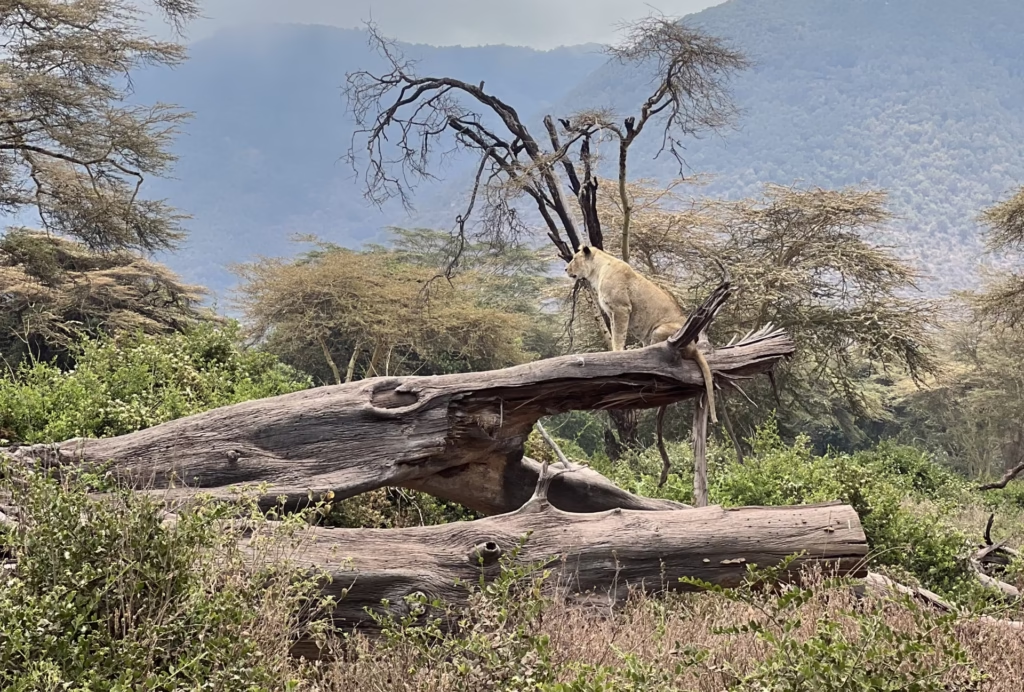
Serengeti without migration
Discover if you can enjoy the Serengeti without migration. Learn about resident wildlife, predator density, best areas, and when to visit for great safaris.
Serengeti without migration Read More »

Discover if you can enjoy the Serengeti without migration. Learn about resident wildlife, predator density, best areas, and when to visit for great safaris.
Serengeti without migration Read More »
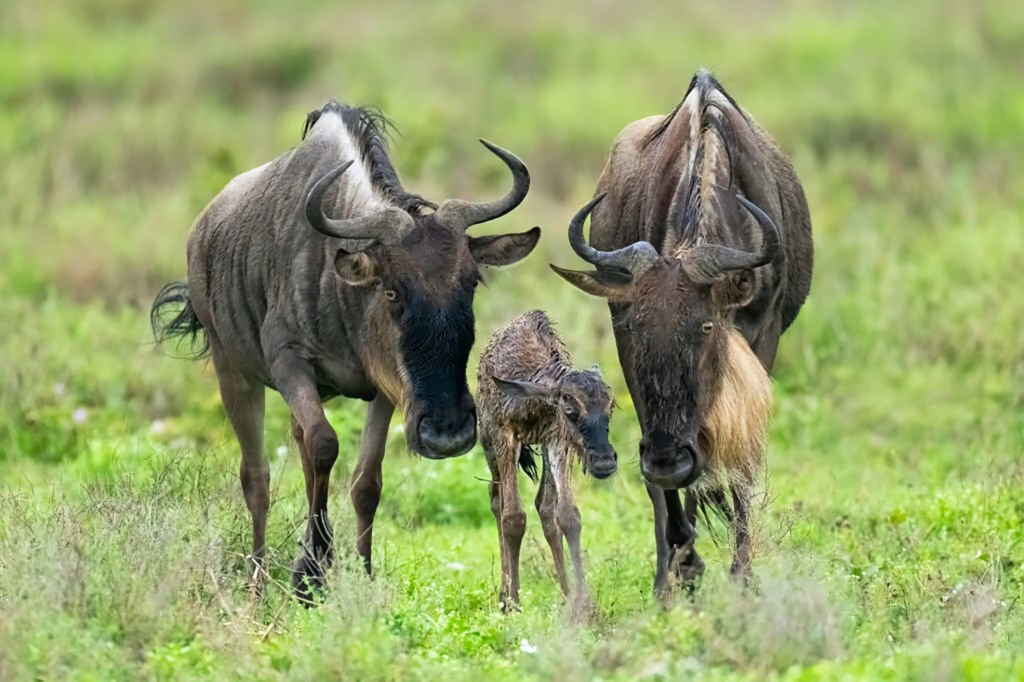
Discover what to expect in Ndutu calving season during the February —daily wildebeest births, intense predator action, weather realities, and expert tips to plan the ultimate Tanzania safari.
Ndutu Calving Season: What to Expect in February Read More »
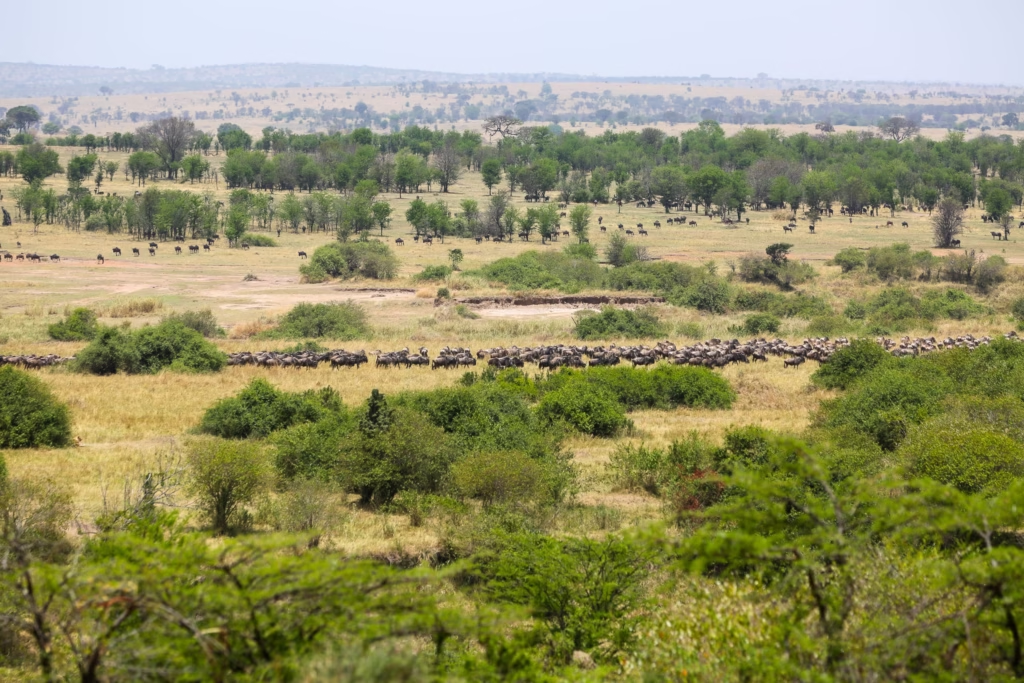
When Is the Great Migration in 2026? The short, honest answer: the Great Migration in 2026 happens all year long. There is no single start date, no fixed finale, and no one “best week.” Instead, it’s a continuous, circular movement of roughly 1.5 million wildebeest, joined by zebra and gazelle, flowing across the Serengeti ecosystem and into Kenya’s Maasai Mara—month by month, place by place. Why does the exact timing in 2026 matter so much? Because where the herds are determining everything: which camps you should book, which airstrips you fly into, what kind of wildlife action you’ll see, and how crowded (or blissfully quiet) your safari will be. River crossings, calving season, predator density, photography conditions—each peak happens in a different location at a different time. Get the timing right, and the experience feels cinematic. Get it wrong, and you may be hundreds of kilometers from the action. What drives this epic movement isn’t a calendar—it’s rain, fresh grazing, and ancient instinct. Seasonal rains awaken new grass, the herds follow it, predators follow the herds, and the cycle repeats. In 2026, as in every year, the migration responds to nature first and forecasts second—making understanding the pattern far more important than chasing exact dates. This guide breaks down where the Great Migration is each month in 2026, so you can plan with clarity, confidence, and realistic expectations—no myths, no guesswork, just the rhythm of the wild. 2. Understanding the Great Migration. The Great Migration is not a straight line from Point A to Point B—it is a vast, living loop played out across the Serengeti–Maasai Mara ecosystem, one of the last remaining intact wildlife corridors on Earth. Spanning northern Tanzania and southwestern Kenya, this ecosystem includes the Southern Serengeti, Central Serengeti, Western Corridor, Northern Serengeti, and the Maasai Mara, all seamlessly connected by grasslands, rivers, and ancient migratory paths. No fences. No borders. Just movement. At the heart of this journey are approximately 1.5 million wildebeest, accompanied by hundreds of thousands of zebra and Thomson’s gazelle. Wildebeest lead the charge, driven by an almost primal sensitivity to rain and fresh grass. Zebras follow, grazing taller grasses and opening the plains, while gazelles pick off the finer shoots behind them. Together, they form a moving ecosystem—one that feeds not only the land but also some of Africa’s highest concentrations of predators. So why does the migration feel predictable, yet never guaranteed? Because while the overall pattern is consistent, the exact timing shifts. Long rains, short rains, droughts, and localized storms can accelerate, delay, or reroute the herds by days or even weeks. Historical data allows experts to forecast movements with strong accuracy, but nature always keeps the final say. The migration follows a rhythm—reliable in structure, flexible in execution. Understanding this is key: the Great Migration is not a single event to chase, but a series of interconnected chapters. Miss one moment, and another—equally powerful—unfolds somewhere else. That’s what makes it timeless, and endlessly compelling. 3. Great Migration 2026: Month-by-Month Movement Calendar (Overview) In short, the calendar helps you match your expectations to the right place and time—so you’re not just visiting during the migration year, but arriving exactly where its story is unfolding. 4. January 2026 – Calving Begins in Southern Serengeti January marks the quiet beginning of the most explosive chapter of the Great Migration. As the short rains fade, vast herds settle across the open plains of Ndutu and the Ngorongoro Conservation Area, drawn by mineral-rich grasses that are perfect for newborn calves. By around early January, the first wildebeest calves begin to drop—often within minutes of birth, they are standing, wobbling, and running. This is not a river-crossing month, but it is one of the most intense predator periods of the entire year. With thousands of calves born each day, predators converge on the southern plains. Lions, cheetahs, hyenas, and leopards are everywhere, taking advantage of the abundance of vulnerable prey. The action is constant, raw, and often unfolding in full view across open grassland. January is best suited for wildlife photographers, predator enthusiasts, and travelers who want to witness life beginning—and ending—in its most unfiltered form. The scenery is green, skies are dramatic, and visibility is excellent, with fewer vehicles than peak river-crossing months. It’s also ideal for guests who value behavior, interaction, and storytelling over sheer spectacle. ✨Camps & Access (at a glance): Seasonal and permanent camps around Ndutu dominate this month, with access via road from Arusha or short flights into Ndutu Airstrip. Camp positioning is critical, and flexibility is a major advantage during this phase of the migration. 5. February–March 2026 – Peak Calving Season February and March represent the absolute heart of the calving season. The herds remain largely stationary in the southern Serengeti, concentrated around the Ndutu plains and surrounding grasslands, where food and water are still abundant. Movement is minimal—not because the herds are resting, but because everything they need is right here. The scale of calving during this period is staggering. By mid-February, hundreds of thousands of calves flood the plains, with births happening in synchronized waves. This abundance fuels intense and highly visible predator behavior. Cheetahs stalk the open flats, lions target nursery groups, hyenas work relentlessly, and leopards take advantage of cover along woodland edges. Predator sightings are not incidental—they are constant, purposeful, and often unfolding in daylight. Visually, this is one of the most beautiful times of year in the Serengeti. The plains are lush and emerald-green, scattered with wildflowers, while towering clouds build dramatic skies that are a gift to photographers. Light shifts quickly, storms roll in and out, and the landscape feels alive and fresh rather than dusty and dry. ✨February–March is ideal for a slow, immersive safari style—long game drives, minimal transit, and camps positioned close to calving hotspots. Access is typically via Ndutu or nearby southern airstrips, or by overland routes from Central Serengeti. This is a season for patience, observation, and deep wildlife storytelling rather than chasing distance or
When Is the Great Migration in 2026? Read More »
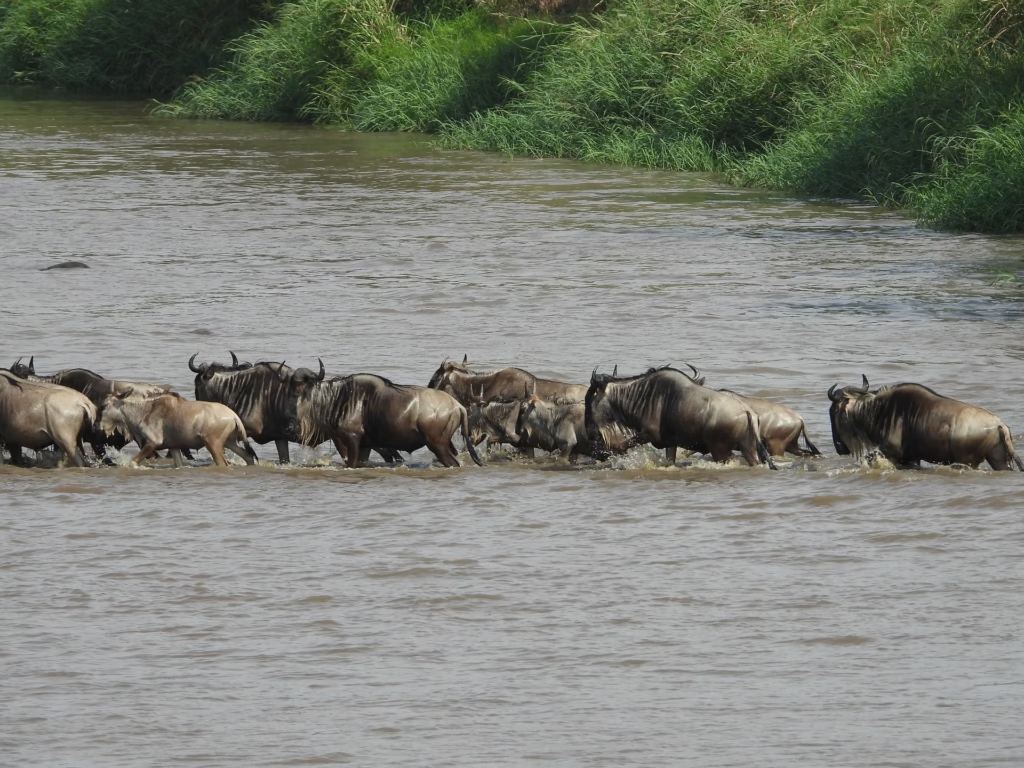
Introduction to the Great Migration Imagine the ground trembling beneath your feet as over 1.5 million wildebeests, 400,000 zebras, and 300,000 gazelles thunder across the plains. Welcome to the Great Migration – a wildlife spectacle so powerful, it’s been dubbed the “greatest show on Earth.” What is the Great Migration? The Great Migration is an annual circular journey of grazing animals across the Serengeti (Tanzania) and the Masai Mara (Kenya), driven by rain patterns and the search for fresh grass. It’s a cycle of life, death, survival, and rebirth. Why it’s One of Nature’s Greatest Spectacles From dramatic river crossings with crocodile-infested waters to predator-prey chases that feel like scenes from National Geographic, this is raw, untamed nature at its finest. When to Witness the Migration Timing is everything when planning your safari. Monthly Breakdown of the Migration Route January–March: Calving season in Ndutu, Southern Serengeti April–May: Moving west towards the Grumeti River June–July: Grumeti River crossings August–October: Mara River crossings November–December: Return to Southern Serengeti Best Times to Visit Specific Parks Ngorongoro & Ndutu: Feb–March for baby animals and predator activity Central Serengeti: June–July for large herds Northern Serengeti & Masai Mara: August–October for dramatic river crossings Where the Action Happens Serengeti National Park (Tanzania) This is the heart of the migration – vast, open plains and endless skies. Most of the migration takes place here. Masai Mara Reserve (Kenya) The action heats up in late July to October when herds pour into Kenya’s Masai Mara for grazing. The Grumeti and Mara River Crossings These crossings are the climax of the migration – high-stakes scenes where only the strong survive. You’ll hold your breath with every leap. The Wildlife You’ll Encounter The Big Five Lion, leopard, rhino, buffalo, and elephant – you’ll find them all. Predators in Action Expect to see lions stalking, cheetahs sprinting, and hyenas strategizing. This is where nature’s drama unfolds. Birdlife and Other Species From flamingos and ostriches to vultures and secretary birds, bird lovers are in for a treat. Unique Safari Experiences During the Migration Balloon Safaris Rise with the sun in a hot air balloon and witness the herds from above – breathtaking doesn’t even begin to cover it. Walking Safaris Step into the wild on foot and experience the bush from a whole new perspective. Cultural Tours with the Maasai Connect with the local Maasai communities and understand their deep connection with nature. Planning Your Great Migration Safari Choosing the Right Time & Location Decide what phase of the migration excites you most – birthing, crossings, or predator action – and plan accordingly. What to Pack for Your Safari Think layers, neutral colors, a good camera, sunscreen, and binoculars. Don’t forget your sense of adventure! Booking the Right Safari Operator Go with trusted pros. This is where Grey Joy Safari Adventures comes in. Why Travel With Grey Joy Safari Adventures? Local Expertise & Authentic Experiences Born and bred in Tanzania, we don’t just know the land – we live it. Personalized Itineraries No cookie-cutter trips here. We craft your dream safari, whether you’re a solo traveler, couple, family, or group. Responsible and Sustainable Travel We work with local communities and conservation partners to ensure your safari gives back. Accommodation Options Along the Migration Route Luxury Camps Think canvas tents with king-sized beds, en-suite bathrooms, gourmet meals, and a front-row seat to nature. Mid-range Lodges Comfort meets affordability with well-equipped lodges and great service. Budget-Friendly Options Traveling on a shoestring? We’ve got pocket-friendly stays that don’t compromise on the experience. Costs and Budgeting Safari Packages and Pricing Prices range from $250–$800 per person per day depending on your style and inclusions. What’s Included in Most Packages Accommodation Park fees Transport (including 4×4 safari vehicle) Meals and water Professional guide Common Safari Mistakes and How to Avoid Them Booking the wrong time Overpacking Ignoring visa or vaccination requirements Not listening to your guide Health & Safety Tips Vaccinations & Health Preparations Consult your doctor about yellow fever, malaria prevention, and travel insurance. Staying Safe Around Wildlife Always follow your guide’s instructions. No sudden movements. No feeding animals. Family Safaris – Is It Kid Friendly? Child-Friendly Lodges Some lodges offer family tents, child menus, and activity programs. Tips for Traveling With Kids Bring snacks, games, and binoculars. Keep game drives short and sweet. The Great Migration and Conservation Threats Facing Wildlife Poaching, habitat loss, and climate change are real threats. Your visit helps fund protection efforts. How Your Safari Can Help A portion of your safari fee supports conservation projects and local communities. Why You Should Witness the Migration If you only go on one safari in your life, make it this one. The Great Migration is more than just a trip—it’s a soul-stirring, eye-opening, once-in-a-lifetime adventure. Call to Action – Travel With Grey Joy Safari Adventures Ready to witness the wildest show on Earth? Let Grey Joy Safari Adventures be your guide to the Great Migration. With deep local knowledge, tailor-made safaris, and a passion for delivering unforgettable experiences, we’ll make your safari dream come true. 📧 Contact us today to start planning your journey.🌍 Visit Grey Joy Safari Adventures📲 Let’s go wild together! FAQs What month is best for the river crossings? August and September are prime time for the dramatic Mara River crossings. Can I combine the migration safari with a Zanzibar beach vacation? Absolutely! We can create a combo itinerary with bush and beach. What is the group size for your safaris? We offer both private safaris and small group tours with 4–6 guests per vehicle. Are safaris safe for solo travelers? Yes, and we cater especially well to solo travelers looking for community and adventure. Do I need a visa to visit Tanzania? Yes, most travelers need a tourist visa. It’s easy to apply online or on arrival.
Witness the Great Migration Read More »