About Tanzania

Best safari parks in Tanzania

The 7 Best Safari Parks in Tanzania

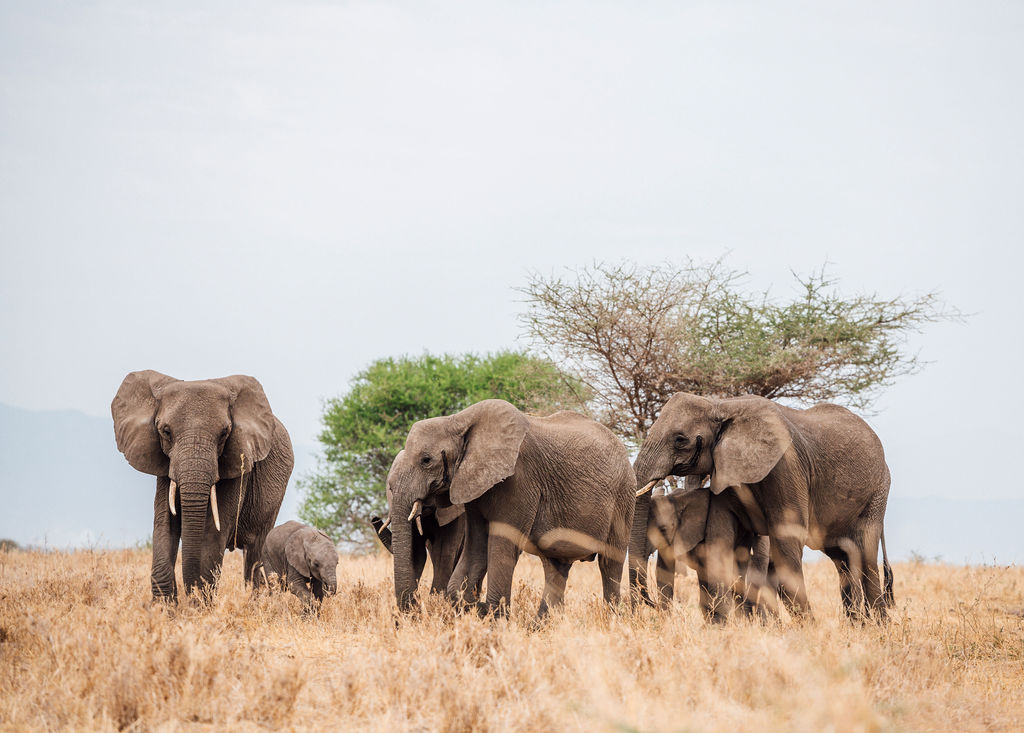
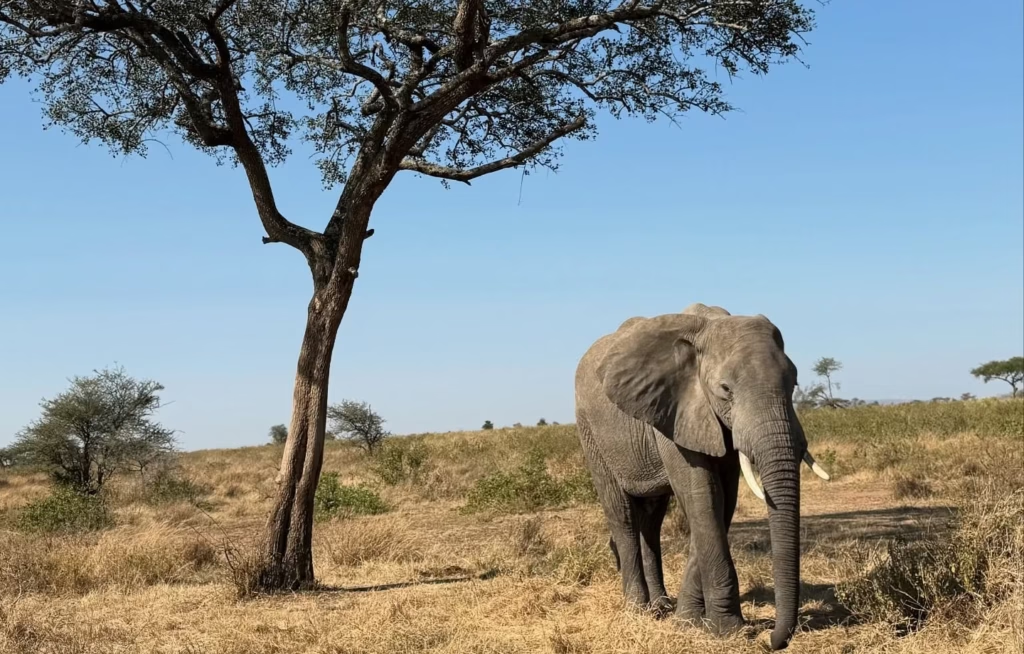
The 7 Best Safari Parks in Tanzania Introduction If you’re dreaming of the ultimate African safari, Tanzania should be at the top of your list. It’s a land where elephants roam freely, lions laze under acacia trees, and sunsets paint the skies in gold. With world-famous national parks and untamed game reserves, Tanzania offers an unforgettable adventure for nature lovers, wildlife photographers, and explorers alike. But with so many parks to choose from, where do you even begin? Don’t worry — I’ve got you covered. Here’s your guide to the 7 best safari parks in Tanzania, each offering a different flavor of wilderness. 1. Serengeti National Park The Great Migration When people think “safari,” they think Serengeti. This park is legendary — and for good reason. It’s home to The Great Wildebeest Migration, one of the most awe-inspiring natural events on Earth. Over two million wildebeests, zebras, and gazelles move in a never-ending loop across the plains in search of fresh grass. It’s raw, dramatic, and jaw-droppingly beautiful. Wildlife and Landscapes Beyond the migration, Serengeti teems with predators. Lions, leopards, cheetahs — they’re all here, waiting patiently (or not so patiently) for their next meal. You’ll also see elephants, giraffes, buffalo, and more against the backdrop of sweeping savannahs and golden grasslands. Best Time to Visit While wildlife is abundant year-round, the best time for the migration is from June to October in the western and northern corridors, and January to March in the southern Serengeti during the calving season. 2. Ngorongoro Conservation Area The Ngorongoro Crater This massive volcanic caldera is a world of its own. It’s like a natural zoo, except way better — and real. The Ngorongoro Crater shelters nearly 30,000 animals in a lush, 260-square-kilometer basin. Think of it as the perfect snapshot of African wildlife, all tucked into a giant green bowl. Abundance of Big 5 Ngorongoro is one of the best places to see the Big Five — lion, leopard, elephant, buffalo, and rhino — all in one day. Yep, it’s that good. Cultural Visits to Maasai Villages The area is also home to the Maasai people, who have lived here in harmony with wildlife for centuries. Visiting a village offers a rich cultural experience that adds meaning to your safari. 3. Tarangire National Park Elephant Kingdom Tarangire is where you’ll see some of the largest elephant herds in Tanzania — sometimes in groups of 100 or more. It’s a jaw-dropping sight, especially during the dry season when they crowd around the Tarangire River. Baobab Tree Forests Another unique feature? The ancient baobab trees. These giants dot the landscape like something out of a fantasy novel, and they make for some epic photo ops. Bird Watching Paradise With over 500 bird species, Tarangire is a birder’s dream. From colorful bee-eaters to giant hornbills, the skies are alive with feathers. 4. Lake Manyara National Park Tree-Climbing Lions Yep, you read that right. Lake Manyara is one of the few places in the world where lions are known to climb trees for fun (or maybe just a better view). It’s a quirky twist you don’t want to miss. Flamingo-Filled Lake The shallow alkaline lake is a magnet for flamingos, especially during the wet season. The sight of thousands of pink birds along the shoreline is nothing short of magical. Unique Ecosystems Though small in size, Manyara packs a punch with its diverse habitats — groundwater forests, marshes, grasslands, and hot springs. Perfect for a half-day or full-day safari. 5. Ruaha National Park Remote and Wild If you’re after a true wilderness experience, Ruaha is your go-to. It’s remote, rugged, and far less touristy than the northern circuit parks. You’ll often feel like you have the place all to yourself. Predator Rich Environment Ruaha is known for its large populations of lions and leopards, as well as endangered African wild dogs. And because of fewer vehicles, the sightings feel even more special. Off-the-Beaten-Path Adventure Getting here takes effort, but trust me — it’s worth it. You’ll be rewarded with dramatic landscapes, fewer crowds, and raw, untamed beauty. 6. Selous Game Reserve (Now Nyerere National Park) Boat Safaris on the Rufiji River Want to swap a jeep for a boat? In Nyerere, you can glide past hippos and crocodiles on the Rufiji River, which snakes through the park like a lazy python. It’s a safari from a different perspective — peaceful but wild. One of Africa’s Largest Protected Areas Covering over 30,000 square kilometers, Nyerere is massive — larger than Switzerland! It’s got everything from savannahs to wetlands, offering a seriously diverse safari experience. Diverse Activities: Walking, Boating, and Drives Unlike many parks, here you can enjoy walking safaris, boating, and traditional game drives, giving you the chance to connect with nature in multiple ways. 7. Mikumi National Park Tanzania’s Hidden Gem Often overlooked, Mikumi is a fantastic choice for first-timers or those short on time. It offers great wildlife viewing without the crowds of more famous parks. Close to Dar es Salaam Located just a few hours from Dar es Salaam, it’s perfect for a quick getaway or weekend safari if you’re already in the city. Wildlife Viewing Made Easy You’ll see elephants, lions, zebras, giraffes, and more — often within minutes of entering the park. It’s like Tanzania’s version of a “safari starter pack.” Choosing the Right Safari Park for You Budget vs Luxury Options If you’re ballin’ on a budget, parks like Mikumi and Manyara are solid choices. Looking for high-end lodges and exclusivity? Serengeti and Ngorongoro deliver. Ideal Safari Seasons Dry season (June–October) is best for game viewing. Wet season (November–May) is lush and beautiful — plus, it’s the best time for birdwatching and baby animals. Group Tours or Private Safaris Group safaris are more affordable, while private tours offer flexibility and intimacy. Pick what suits your vibe (and your wallet). Conclusion Tanzania is the safari lover’s paradise, and each of its parks offers something magical. Whether it’s the thundering hooves of the

The 7 Best Safari Parks in Tanzania Read More »
Ruaha National Park Safari:

Ruaha National Park Safari: Your Ultimate Guide to Tanzania’s Hidden Gem Introduction to Ruaha National Park Safari Welcome to Ruaha National Park, Tanzania’s largest and most underrated safari destination. If you’re looking to escape the crowds and dive into untouched wilderness, Ruaha should be at the top of your list. It’s wild, it’s remote, and it’s brimming with life. Where is Ruaha National Park? Ruaha is nestled in southern Tanzania, far from the well-trodden paths of the northern safari circuit. It’s part of the Southern Circuit and spans over 20,000 square kilometers. Think about that—it’s nearly the size of Rwanda! Why Choose Ruaha Over Other Parks? Unlike Serengeti or Ngorongoro, Ruaha offers a more exclusive and private safari experience. Fewer lodges mean fewer tourists, so you get the luxury of peace and plenty of space to yourself. It’s like having your own private safari kingdom. Getting to Ruaha National Park Flights and Airstrips The quickest way to get to Ruaha is by flying into the park. Daily flights run from Dar es Salaam, Arusha, and Zanzibar to the Msembe Airstrip inside the park. Road Access and Travel Tips Up for an adventure? You can drive from Iringa, which is about a 4-6 hour journey depending on road conditions. Just make sure you’re in a sturdy 4×4! Wildlife Experience in Ruaha The Big Five and Beyond Ruaha is home to an impressive range of wildlife, including all the Big Five—lions, leopards, elephants, rhinos, and buffalos. But there’s more… Lions – The Pride of Ruaha Ruaha boasts one of the largest lion populations in Africa. They rule the plains in large prides, and it’s not uncommon to see 20 or more in one spot. Elephants – Giants in Great Numbers With one of East Africa’s largest elephant populations, Ruaha gives you front-row seats to incredible herds trudging along the Great Ruaha River. Rare Species – Wild Dogs and More African wild dogs, sable antelopes, and greater kudus? Yep, you’ll find them all here. Ruaha is a haven for rarities. Birdwatching Paradise Unique Bird Species in Ruaha With over 570 recorded species, Ruaha is a birdwatcher’s dream. From colorful bee-eaters to giant eagles, the skies are always full of action. Best Time for Birdwatching November to April is the prime time, when migratory birds join the local residents and the landscape is lush and green. Safari Activities in Ruaha National Park Game Drives – Morning, Afternoon, and Night Daytime drives show off the savannah’s grandeur, while night drives reveal the secret nightlife—think hyenas, leopards, and genets. Walking Safaris – Get Closer to Nature Led by armed rangers and expert guides, these walks let you experience the bush up close—tracking animals, learning plants, and listening to the wild. Cultural Tours with Local Tribes Visit the Hehe or Barabaig tribes to learn about their traditional ways of life. It’s eye-opening and adds a human touch to your wilderness adventure. Best Time to Visit Ruaha National Park Dry Season vs. Wet Season The dry season (June to October) is best for wildlife spotting as animals gather around waterholes. The wet season (November to April) is lush and green with great birdlife. What to Expect Each Month June–October: Prime game viewing. November–March: Green season—beautiful scenery and birding. April–May: Park may be difficult to access due to heavy rains. Safari Accommodation in Ruaha Luxury Lodges Think private plunge pools, gourmet dining, and views over the river—Jabali Ridge and Ikuka Safari Camp top the luxury list. Mid-Range Camps Mdonya Old River Camp and Ruaha River Lodge offer fantastic value with all the comforts you need. Budget Options There are a few affordable tented camps outside the park and community campsites for the adventurous traveler. What to Pack for a Ruaha Safari Essentials for the Bush Binoculars Camera with zoom lens Insect repellent Sunscreen Flashlight or headlamp Clothing Tips Based on the Season Pack layers! Mornings can be chilly and afternoons hot. Earthy tones help you blend in and avoid attracting insects. Cost of a Ruaha Safari Factors That Affect Safari Pricing Type of accommodation Duration of stay Mode of transport Time of year Tips to Save Without Sacrificing Quality Travel during shoulder seasons Choose fly-in/fly-out combos Go for shared game drives Ruaha for Photographers Best Spots for Capturing Wildlife The banks of the Great Ruaha River are gold mines for action shots—elephants, crocs, and birds all hang around here. Tips for Getting the Perfect Shot Use a bean bag for stability Golden hour light = magic Be patient—Ruaha rewards the waiters Eco-Tourism and Conservation Efforts How Ruaha is Preserving Its Ecosystem Ruaha is part of the Lion Landscapes project, protecting one of the last strongholds for big cats and elephants. How You Can Support Responsible Tourism Stay at eco-lodges, avoid plastic, and always respect the wildlife. Your trip can make a positive impact. Safety and Health Tips Vaccinations and Medications Yellow fever, malaria prophylaxis, and typhoid vaccinations are recommended. Always consult your travel doctor. Staying Safe Around Wildlife Don’t leave your vehicle unless with a guide. Keep quiet around animals. Respect their space. Combining Ruaha with Other Parks Southern Circuit Safari Ideas Add Mikumi, Udzungwa, or Selous (Nyerere NP) for a more complete southern circuit safari. Adding Zanzibar for a Beach Finish After your dusty adventure, fly to Zanzibar for some sun, sea, and Swahili culture. Insider Tips for First-Timers What Most Tourists Don’t Know Ruaha’s remoteness means you often won’t see another vehicle all day. It’s like having a private wilderness to yourself. Things That Will Surprise You The silence. The size. The rawness. Ruaha isn’t just a park—it’s an experience. Conclusion Ruaha National Park is Africa untamed. It’s where nature thrives, tourists are few, and every sunrise brings new surprises. Whether you’re a seasoned safari-goer or a first-time explorer, Ruaha will steal your heart and fill your camera roll. Ready to go off the beaten path? FAQ’S 1. Is Ruaha National Park safe for solo travelers? Yes, as long as you’re with a reputable guide or

Ruaha National Park Safari: Read More »

Selous Game Reserve Safari

Selous Game Reserve Safari

Selous Game Reserve Safari Introduction to Selous Game Reserve A Hidden Gem in Southern Tanzania If you’re dreaming of a safari that’s a little off the beaten track, Selous Game Reserve (now part of Nyerere National Park) should be high on your list. It’s wild, untouched, and massive—one of the largest game reserves in Africa, actually! You won’t find large tourist crowds here like in Serengeti, but you will find raw nature at its finest. Why Selous is Special Covering over 50,000 square kilometers, Selous boasts rivers, forests, grassy plains, and wetlands. The diverse landscape supports an equally diverse range of animals. Plus, it’s one of the few places in Tanzania where you can do boat safaris. Now, that’s what we call adventure with a twist! History of Selous Game Reserve Named After Frederick Selous Selous is named after Frederick Courteney Selous, a British explorer and hunter who fell in love with Africa’s wilderness. He died in the reserve during World War I, and his legacy lives on through the rich history and spirit of exploration that defines the area. UNESCO World Heritage Status In 1982, Selous was declared a UNESCO World Heritage Site. This status recognizes its unique ecosystems, rich biodiversity, and important role in African conservation history. Where is Selous Game Reserve Located? Map and Geographical Overview Selous is located in southern Tanzania, stretching across multiple regions including Lindi, Morogoro, and Ruvuma. It’s south of Dar es Salaam and bordered by the mighty Rufiji River. How to Get There You can fly into Dar es Salaam and either drive (about 6-8 hours) or take a short bush flight straight into the park. Flights are often the preferred choice for comfort and speed. Wildlife in Selous Game Reserve The Big Five and Beyond Yes, the Big Five are here—lion, leopard, elephant, buffalo, and rhino (though rhinos are rare). But that’s not all. Selous is also home to wild dogs, hippos, crocodiles, giraffes, zebras, hyenas, and countless antelope species. Birdwatching Paradise With over 440 bird species recorded, Selous is a dream for birders. Look out for fish eagles, kingfishers, bee-eaters, and the rare Pel’s fishing owl. Unique Species of Selous The endangered African wild dog thrives in Selous, making it one of the best places in East Africa to spot them in the wild. Safari Activities in Selous Game Drives Hop in a 4×4 and cruise through the bush with an expert guide. Early mornings and late afternoons are best for game viewing, as animals are more active. Boat Safaris on the Rufiji River This is Selous’ signature experience. Glide past pods of hippos and crocodiles while watching elephants come down to drink. It’s peaceful, thrilling, and oh-so-memorable. Walking Safaris – Up Close With Nature Fancy tracking animals on foot? With an armed ranger, you can explore the bush up close, learn about animal tracks, plants, and the small wonders you’d miss in a vehicle. Fly Camping – Sleep Under the Stars Fly camping offers the rawest version of safari. Think mosquito nets, campfire dinners, and the sounds of the wild all around you. It’s for the bold and the curious. Best Time to Visit Selous Game Reserve Dry Season vs Wet Season The dry season (June to October) is ideal for wildlife viewing—animals gather around water sources, making them easier to spot. The wet season (November to May) offers lush scenery and fewer tourists but can limit access due to muddy roads. Wildlife Viewing Calendar Want to see baby animals? Go during the green season (January-March). Bird migrations peak around November, and wild dog sightings are best from June onwards. Accommodation Options in Selous Luxury Lodges Expect infinity pools, gourmet dining, and personalized service at lodges like Beho Beho or Siwandu. They blend comfort with wilderness perfectly. Mid-range Camps Lodges like Rufiji River Camp offer great value—comfortable rooms, good food, and incredible views without breaking the bank. Budget Camping Experiences Want something simple and raw? Budget campsites provide basic facilities and put you right in the heart of nature. Selous Game Reserve vs Serengeti and Ngorongoro Crowd Factor While Serengeti is bustling with safari vehicles, Selous is quiet and remote—perfect if you’re looking for solitude and authenticity. Cost Comparisons Selous safaris can be more affordable due to lower park fees and less commercial tourism. Plus, it’s a gem not many have discovered yet! Experience Differences Selous offers a more diverse set of experiences—especially with boat and walking safaris. Serengeti may be king for wildebeest migration, but Selous offers adventure in every direction. Tips for a Successful Selous Safari What to Pack Lightweight clothes, a good camera, binoculars, a hat, sunscreen, insect repellent, and a power bank. Oh, and don’t forget your sense of adventure! Health and Safety Make sure you’re up to date on vaccinations (like yellow fever) and carry anti-malarials. Listen to your guides—they know their stuff. Travel Insurance and Permits Always get comprehensive travel insurance. Entry permits are handled by tour operators, but double-check to avoid any hiccups. Conservation and Sustainability in Selous Efforts to Protect Wildlife Selous has faced threats like poaching, but conservation efforts are on the rise. Eco-lodges and community tourism are playing a big role in keeping the ecosystem alive. Community-Based Tourism Initiatives Many lodges support nearby villages through education, healthcare, and employment, making tourism a powerful force for good. Cultural Experiences Near Selous Interacting with Local Villages Take a break from the wild and visit nearby communities. Learn how they live, farm, cook, and celebrate. It’s humbling and enriching. Cultural Tours and Traditions Experience traditional dances, taste local food, or even try your hand at making crafts with local artisans. It adds soul to your safari. Photography Tips for Selous Safari Best Times for Capturing Wildlife Golden hours—sunrise and sunset—offer the best lighting and animal activity. Patience is key, and silence is golden. Equipment Recommendations A DSLR with a zoom lens (at least 300mm), spare batteries, memory cards, and a bean bag for stability will set you up for stunning shots.

Selous Game Reserve Safari Read More »

wilderness

Tarangire National Park Safari

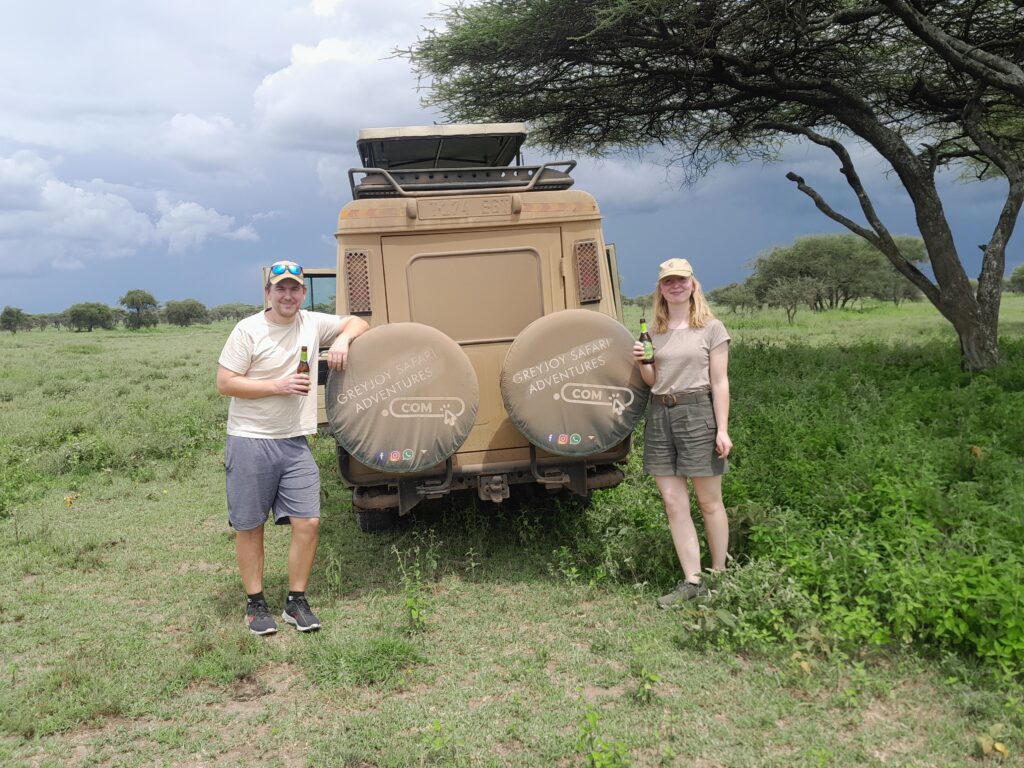
Tarangire National Park Safari Introduction to Tarangire National Park So, you’re planning a safari in Tanzania and wondering which park to visit? Let me introduce you to Tarangire National Park, one of the country’s most underrated safari gems. It might not get as much buzz as Serengeti or Ngorongoro, but believe me—it’s got soul. Where is Tarangire National Park? Located just about 120 kilometers southwest of Arusha, Tarangire is easy to access and perfect for those wanting a genuine safari experience without the crowds. The park covers around 2,850 square kilometers and is named after the Tarangire River that winds through it. Why Choose Tarangire for Your Safari Adventure? You want fewer tourists, massive elephant herds, towering baobab trees, and dramatic landscapes? Tarangire is the spot. It’s especially ideal for photographers, bird lovers, and those seeking peace and authenticity. The Unique Ecosystem of Tarangire The Life-Giving Tarangire River During the dry season, the Tarangire River becomes the lifeline for wildlife. Animals from all corners of the park—and beyond—gather here to drink and cool off. This natural congregation means one thing: epic wildlife viewing. Baobab Trees and Scenic Landscapes Ever seen trees that look like they’re upside down? Welcome to the world of giant baobabs. These ancient sentinels add a mystical vibe to the park. And when the sun sets behind them? Pure magic. Wildlife in Tarangire The Elephant Paradise Let’s talk elephants. Tarangire is home to Tanzania’s largest population of elephants. Herds of 100 or more? Not unusual. You’ll witness them playing, bathing, and gently walking through the dust like they own the place (spoiler: they do). Predators and Other Big Game Lions lounge in the shade, leopards perch in trees, and cheetahs patrol the plains. Plus, there’s a strong population of buffalos, zebras, giraffes, wildebeest, and warthogs roaming the park. Birdwatcher’s Heaven If you’re into birds, bring your binoculars! With over 550 species, Tarangire is a paradise. From colorful lilac-breasted rollers to massive ostriches and rare birds like the yellow-collared lovebird—it’s a birder’s dream. Best Time to Visit Tarangire Dry Season vs. Wet Season Dry Season (June–October): Peak wildlife viewing, especially near the river. Wet Season (November–May): Lush greenery, baby animals, and fewer tourists. Seasonal Wildlife Movement Tarangire is seasonal. During the dry months, animals flock to the park, making it feel like a private wildlife theater. In the wet season, some animals migrate out, but the birdlife explodes. Safari Experiences in Tarangire Game Drives – Morning and Evening Hop in a 4×4 and cruise through the savannah as the morning mist rises or the evening sun casts golden hues. You’ll get up close (but safe!) views of animals in their natural habitat. Walking Safaris – A Closer Connection Want to feel the wild under your feet? Join a walking safari led by experienced guides. You’ll learn to read tracks, understand animal behavior, and connect deeply with nature. Night Game Drives – The Park After Dark Most parks in Tanzania don’t allow night drives—but Tarangire does in certain areas. It’s your chance to see nocturnal creatures like bush babies, porcupines, and leopards on the hunt. Cultural Interactions Near Tarangire Visiting the Maasai and Other Local Tribes Don’t just see the wildlife—meet the people. The nearby Maasai communities offer cultural experiences that include dance, storytelling, and tours of traditional bomas (villages). Local Markets and Traditional Crafts Visit nearby villages like Mto wa Mbu to shop for handcrafted jewelry, art, and woven items. A great way to support local artisans and take a piece of Tanzania home with you. Accommodation Options Luxury Safari Lodges Expect private decks, plunge pools, gourmet meals, and views over elephant paths. Check out places like Tarangire Treetops and Sanctuary Swala Camp for an indulgent stay. Mid-Range Tented Camps Think comfy beds, en-suite bathrooms, and campfires under the stars. Lodges like Sangaiwe Tented Lodge strike the perfect balance between comfort and adventure. Budget-Friendly Campsites Traveling on a shoestring? No worries. There are plenty of public and special campsites where you can sleep under the stars and wake to the roar of distant lions. How to Get to Tarangire National Park By Road from Arusha Most visitors drive from Arusha. It’s about 2-3 hours by 4×4 vehicle on a scenic route. This option gives you the freedom to explore at your pace. Fly-In Safaris Short on time? Book a flight to Kuro Airstrip and get straight into the action. Several safari companies offer fly-in packages from major cities. Travel Tips for First-Time Visitors What to Pack Neutral-colored clothing Binoculars and camera Sunscreen and insect repellent A good hat and sunglasses Safety and Health Precautions Tarangire is safe, but always follow your guide’s instructions, especially during walks. Bring anti-malarial meds and stay hydrated. Tarangire vs Other Tanzanian Parks Tarangire vs Serengeti Serengeti’s great for the wildebeest migration and vast plains. Tarangire offers more intimacy, better elephant sightings, and unique landscapes. Tarangire vs Ngorongoro Ngorongoro is a crater packed with animals. Amazing, but often busy. Tarangire? Peaceful, remote, and authentically wild. Photography Tips for Your Safari Capturing Wildlife Moments Patience is key. Use zoom lenses to get close without disturbing the animals. Early morning and late afternoon light = gold. Landscape and Sunset Shots Don’t miss out on silhouettes of baobabs at dusk or elephants kicking up dust in the golden hour. Set your white balance to “shade” for warmer tones. Sustainable Tourism in Tarangire Eco-Lodges and Conservation Many camps in Tarangire run on solar power, manage waste responsibly, and support anti-poaching efforts. Choose operators that give back to the land. Responsible Safari Etiquette Respect the wildlife. No loud noises, no feeding, and always keep your distance. Remember—you’re a guest in their home. Booking a Safari Tour Choosing the Right Tour Operator For an unforgettable and seamless safari experience, book directly with GreyJoy Safari Adventures. We are a fully licensed and experienced safari company with professional, certified guides who know Tanzania inside and out. Our reputation is built on transparency, local expertise, and delivering once-in-a-lifetime adventures. Custom vs. Group

Tarangire National Park Safari Read More »

Ngorongoro Crater Safari

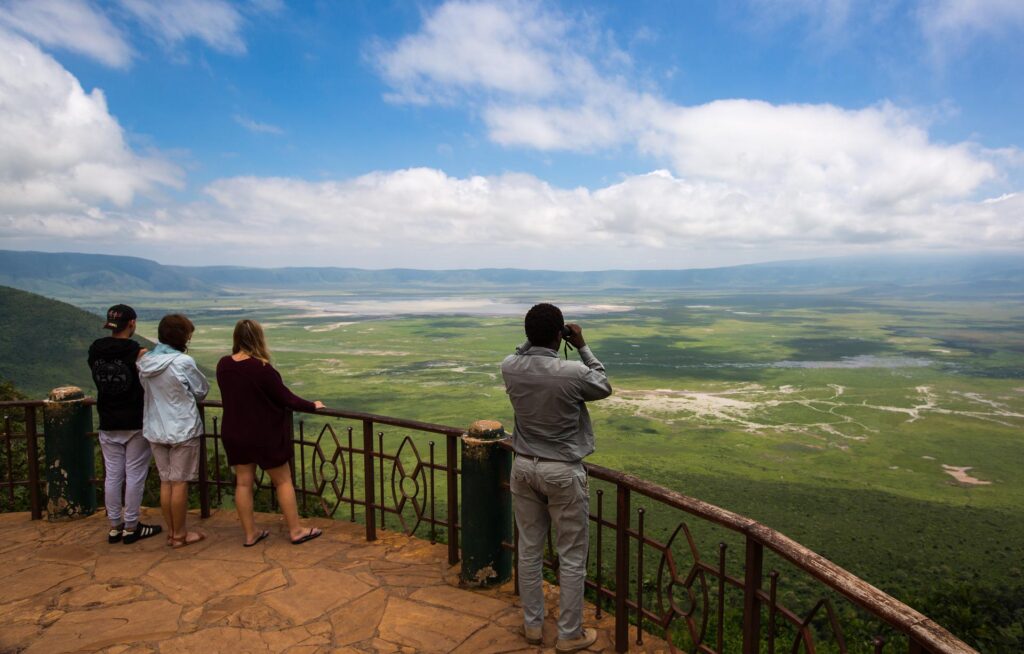
Ngorongoro Crater Safari: A Journey into Africa’s Wildlife Paradise Introduction Tanzania’s Ngorongoro Crater is one of the most spectacular safari destinations in Africa. Known for its dense wildlife populations and breathtaking landscapes, this natural wonder offers an unparalleled safari experience. Whether you’re a wildlife enthusiast, photographer, or adventure seeker, a trip to Ngorongoro is a must. What is the Ngorongoro Crater? Location and Geography The Ngorongoro Crater is located in northern Tanzania, within the Ngorongoro Conservation Area. It is the world’s largest inactive, intact, and unfilled volcanic caldera, spanning approximately 260 square kilometers. How Was It Formed? The crater was formed about two to three million years ago when a massive volcano erupted and collapsed on itself. Today, it stands as a vast, enclosed ecosystem that supports diverse wildlife. Why Visit the Ngorongoro Crater? A Natural Wonder: The crater is often referred to as the “Eighth Wonder of the World.” UNESCO World Heritage Site: Recognized for its unique biodiversity and cultural significance. Wildlife in Ngorongoro Crater The Big Five Ngorongoro is one of the best places in Africa to see the Big Five—lion, leopard, elephant, buffalo, and rhino—all in one game drive. Rare and Endangered Species The endangered black rhino finds refuge within the crater. Servals, cheetahs, and wild dogs also roam the area. Birdwatching Opportunities With over 500 bird species, including flamingos, crowned cranes, and eagles, Ngorongoro is a paradise for birdwatchers. Best Time to Visit Ngorongoro Crater Dry Season (June to October): Best for wildlife viewing as animals gather around water sources. Wet Season (November to May): Lush landscapes and calving season for wildebeests. Ngorongoro Crater Safari Experience Game Drives: The main activity, offering breathtaking encounters with wildlife. Guided vs. Self-Drive: Tour guides provide expert knowledge, while self-drive offers flexibility. Photography Tips: Early morning and late afternoon offer the best lighting. Ngorongoro Conservation Area Beyond the crater, visit: Ndutu Plains: Famous for wildebeest calving. Olduvai Gorge: A historic site where early human fossils were discovered. Maasai Villages: Experience traditional Maasai culture. Accommodation Options From luxury lodges like Ngorongoro Crater Lodge to budget-friendly campsites, there’s something for everyone. Safari Costs and Budgeting Park Fees: $70 per adult (subject to change). Tour Packages: Range from budget to luxury safaris. Extra Costs: Tips, souvenirs, and optional activities. How to Get to Ngorongoro Crater Flights to Tanzania: Land at Kilimanjaro International Airport. Road Trips: A 3-4 hour scenic drive from Arusha. Travel Tips for a Perfect Safari Essentials: Binoculars, sunscreen, and warm clothing. Health: Carry malaria prophylaxis and travel insurance. Comparing Ngorongoro with Other Safari Destinations Serengeti: Best for the Great Migration. Tarangire: Home to large elephant herds. Unique Safari Experiences Walking Safaris: Experience the wild on foot. Night Safaris: Rare but available in select areas. Conservation Efforts in Ngorongoro Efforts are in place to protect wildlife and support local communities through sustainable tourism. Conclusion A safari to Ngorongoro Crater is a once-in-a-lifetime experience, offering breathtaking scenery, abundant wildlife, and cultural encounters. Whether you’re a first-time visitor or a seasoned traveler, this iconic destination never disappoints. Simple Faq 1. Is Ngorongoro Crater worth visiting? Absolutely! The Ngorongoro Crater in Tanzania is one of Africa’s most spectacular wildlife destinations and is 100% worth visiting. Here’s why: 1. Unmatched Wildlife Viewing 2. Breathtaking Scenery 3. Unique Ecosystem 4. Cultural Experiences 5. Accessibility & Convenience 2. How many days do you need in Ngorongoro? One to two days is ideal. 3. Can you stay inside the crater? No, visitors are not allowed to stay inside the Ngorongoro Crater overnight. The Ngorongoro Conservation Area Authority (NCAA) strictly prohibits camping or lodging within the crater itself to protect the fragile ecosystem and wildlife. However, you can stay at lodges and campsites located on the rim of the crater, which offer stunning views and easy access for descending into the crater during the day. 4. What animals are hardest to spot? The Ngorongoro Crater is teeming with wildlife, but some animals are particularly elusive due to their behavior, habitat preferences, or low population density. Here are the hardest animals to spot in Ngorongoro: 1. Leopard (Panthera pardus) Why? Solitary, nocturnal, and often hidden in trees or rocky outcrops. Best chance: Early morning or late evening near Lerai Forest or along the crater rim. 2. Black Rhino (Diceros bicornis) Why? Critically endangered, with only a few individuals in the crater. They also prefer thick bush. Best chance: Open grasslands near Gorigor Swamp, but sightings are rare. 5. Is a Ngorongoro safari expensive? A safari in the Ngorongoro Crater can be expensive, but the cost depends on factors like accommodation, duration, and the level of luxury.

Ngorongoro Crater Safari Read More »

Serengeti National Park Safari: A Journey into the Wild

Serengeti National Park Safari: A Journey into the Wild

Serengeti National Park Safari: A Journey into the Wild Introduction Serengeti National Park Safari is a world-renowned safari destination located in Tanzania. It is famous for its vast plains, diverse wildlife, and the awe-inspiring Great Migration. Whether you’re an adventurer, a photographer, or a nature lover, the Serengeti offers a once-in-a-lifetime experience that brings you up close with Africa’s most iconic animals. The Magic of the Serengeti The Serengeti is home to one of the richest ecosystems in the world. From lions and leopards to elephants and rhinos, this park is teeming with wildlife. The term “Serengeti” means “endless plains” in the Maasai language, perfectly describing its breathtaking landscapes. The Great Migration: Nature’s Greatest Show Each year, over 1.5 million wildebeest, along with thousands of zebras and gazelles, embark on a perilous journey across the Serengeti in search of fresh grazing grounds. This incredible spectacle, known as the Great Migration, is one of the most sought-after wildlife experiences. Safari Experiences in Serengeti Game Drives: The most popular way to explore the Serengeti, offering close encounters with wildlife. Walking Safaris: Experience the bush on foot and witness nature up close. Balloon Safaris: Get a bird’s-eye view of the Serengeti at sunrise for a magical experience. Best Time to Visit Serengeti The best time to visit depends on what you want to see: June – October: Best for general wildlife viewing. January – March: Witness the wildebeest calving season. July – September: See river crossings during the migration. Serengeti’s Unique Landscapes The Serengeti is not just about animals; its landscapes are equally stunning. From golden savannahs to rocky kopjes (outcrops) and meandering rivers, the scenery is diverse and picturesque. Wildlife Encounters in Serengeti Serengeti is home to an impressive array of animals, including: Predators: Lions, cheetahs, leopards, and hyenas. Herbivores: Elephants, giraffes, buffaloes, and antelopes. Rare Species: Wild dogs, caracals, and serval cats. Cultural Experiences in and around Serengeti A visit to the Serengeti is incomplete without experiencing Maasai culture. The Maasai people, known for their rich traditions and vibrant clothing, offer insights into their way of life through village visits and cultural performances. Luxury vs. Budget Safaris Luxury: Stay at five-star lodges like Four Seasons Safari Lodge Serengeti. Mid-Range: Tented camps like Serengeti Serena Lodge. Budget: Camping safaris offer a more affordable way to explore the park. Planning Your Serengeti Safari How to Get There: Fly into Kilimanjaro International Airport, then take a domestic flight or drive to the Serengeti. Choosing a Safari Package: Consider private safaris, group tours, or customized experiences. Safety and Travel Tips Follow your guide’s instructions at all times. Pack light, but bring essential safari gear. Get vaccinations for yellow fever and take malaria precautions. Serengeti vs. Other Safari Destinations Serengeti vs. Maasai Mara: Serengeti is larger and offers more diverse landscapes. Serengeti vs. Kruger: Kruger has more infrastructure, but Serengeti feels wilder. Serengeti vs. Okavango Delta: The Okavango Delta offers unique water-based safaris, while Serengeti is known for its open plains. Photographing the Serengeti Best photography spots include Seronera Valley, Grumeti River, and the Mara River. Capture golden-hour shots for breathtaking images. Eco-tourism and Conservation Efforts The Serengeti is a UNESCO World Heritage Site, and conservation initiatives are in place to protect its fragile ecosystem. Visitors can support sustainable tourism by choosing eco-friendly lodges and following park guidelines. Conclusion A Serengeti safari is an adventure like no other. With its abundant wildlife, stunning landscapes, and thrilling safari experiences, it’s a destination that belongs on every traveler’s bucket list. FAQs What is the best time of year for a Serengeti safari? The dry season (June to October) is ideal for wildlife viewing, while January to March is great for calving season. How many days are enough for a Serengeti safari? A minimum of 3-4 days is recommended, but a week allows for a more immersive experience. Do I need a visa to visit Tanzania? Most travelers need a visa, which can be obtained online or on arrival. Is it safe to go on a Serengeti safari? Yes, as long as you follow guidelines and stay with experienced guides. Can I combine a Serengeti safari with a Zanzibar trip? Absolutely! Many travelers end their safari with a relaxing beach holiday in Zanzibar.

Serengeti National Park Safari: A Journey into the Wild Read More »